The best art learning option depends on whether the learner needs structured skill practice, room for creative exploration, or flexible study at home.
Compare the teaching approach, feedback, materials, schedule, and total cost before choosing an art class, online course, or tutor. A local studio or private tutor can suit learners who benefit from live demonstrations and direct feedback.
Online art courses and self-guided resources can work well for flexible practice when the learner can access basic materials and stay engaged independently.
Strong programs treat art as more than a finished picture: they make space for observation, experimentation, reflection, and communication. Emotional responses can be explored through art activities, but no class should promise a specific emotional or therapeutic result.
At a Glance
- Choose local classes or tutoring when live feedback and guided skill-building are the main priorities.
- Choose online or self-guided learning when flexible scheduling, home study, and repeatable lessons matter most.
- Choose by teaching approach, not display pieces alone: review curriculum, class size, supplies, and feedback before enrolling.
| Learning Format | Best Fit | Key Value Factors to Compare |
|---|---|---|
| Local studio classes | Students who want demonstrations, materials guidance, and group interaction | Class size, instructor approach, supply requirements, travel, schedule, feedback frequency |
| School enrichment programs | Learners who prefer art within an existing school routine | Project range, available materials, group size, timing, level of individual feedback |
| Online art courses | Flexible home learners who can practice independently | Lesson format, software or device needs, supply list, access terms, opportunities for feedback |
| Private tutors | Students needing a pace or project focus tailored to their goals | Teaching experience, lesson plan, scheduling, travel arrangements, feedback style |
What Effective Creative Learning Should Help a Student Do
Effective art education should help a student notice more, try more, and explain more about what they see and make. A finished drawing or painting can be satisfying, but the learning value often comes from the choices made along the way. Look for activities that include observation, experimentation, reflection, and communication, rather than a single model to copy.
Build Observation, Visual Vocabulary, and Confidence Through Practice
Observation is a practical foundation for drawing, painting, design, and art appreciation. A learner may practice noticing line, shape, color, texture, space, contrast, and composition. As these ideas become familiar, the student gains a useful visual vocabulary for discussing work and making intentional choices.
Confidence does not require every project to look polished. It can grow when learners see that practice leads to clearer decisions: changing a color, trying another composition, or revising a sketch after looking more closely. A program should make room for this kind of trial and adjustment.
Treat Emotional Response as Reflection and Communication, Not a Guaranteed Result
Art can give learners a way to reflect on ideas, memories, places, or moods. A color choice, image, or collage may start a meaningful conversation. However, emotional responses to art are individual. It is more appropriate to view art activities as an opportunity for reflection and communication than as a guaranteed emotional or therapeutic outcome.
If a learner needs professional mental-health, special-needs, or educational support, an art program should not be assumed to replace that support. Ask the provider how it handles individual needs and whether its teaching model is appropriate for the situation.
Use Finished Work and Process Notes to Track Progress
Progress can be easier to see when students keep sketches, drafts, reference notes, or short reflections alongside finished work. A process note can be simple: what was observed, what was difficult, what changed, and what the learner wants to try next. This is often more informative than comparing one final artwork with another.
For a portfolio-focused student, ask whether the class includes feedback on process and presentation. For a younger learner or casual home artist, a small folder of work and comments may be enough to show growing interests and skills.
Compare Learning Formats Before You Spend
The right format is not automatically the most formal or the most expensive. It is the option that matches the learner’s goal, practical schedule, comfort with group settings, and access to materials. Compare the complete experience before paying for an art class, curriculum subscription, studio membership, or tutoring arrangement.
Local Studio Classes Versus School Enrichment Programs
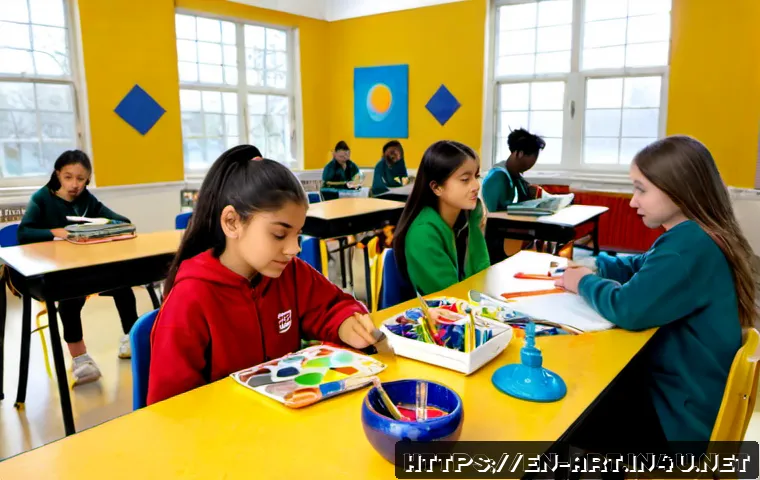
Local studio classes may offer a dedicated art environment, live demonstrations, and opportunities to work alongside other learners. They can be a good fit when a student benefits from regular structure and direct instructor feedback. Before enrolling, ask whether materials are included, how projects are selected, and how much individual attention students receive.
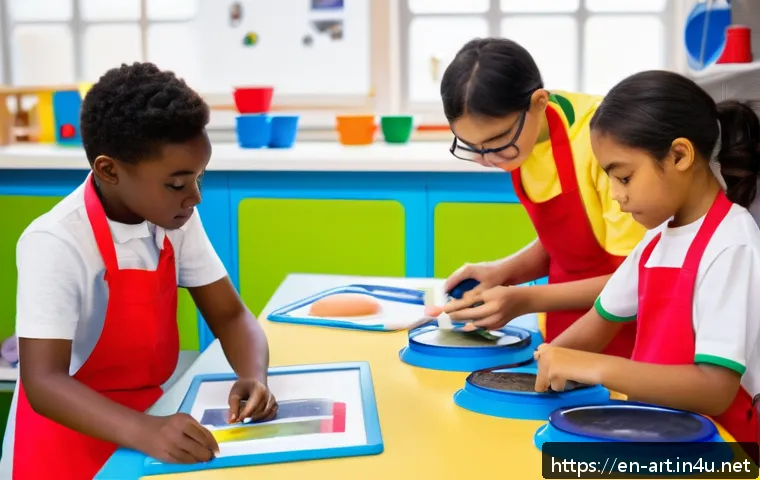
School enrichment programs can be convenient because they fit into an existing routine. Their value may depend on the range of projects, available materials, group size, and the time available for each activity. They may suit a learner who wants broad exposure, while a student with a specific technical goal may need more focused instruction elsewhere.
Online Art Courses Versus Live Virtual Instruction
Recorded online art courses can support flexible home study. Learners can revisit demonstrations and move at their own pace, which may be useful for practicing a drawing method, painting process, or design foundation. Check whether the course clearly lists required materials, device or software needs, access terms, and the level of support included.
Live virtual instruction adds the possibility of questions and timely feedback. It may be more useful for students who lose momentum without accountability or who need help adjusting techniques. Still, review whether the camera setup allows the instructor to see the work clearly and whether feedback is offered during or between sessions.
Private Tutoring, Group Workshops, and Self-Guided Resources
A private art tutor can tailor projects to a learner’s pace, interests, and skill goals. This can be helpful when the learner wants focused instruction in drawing, painting, or design, but the practical value depends on the tutor’s teaching approach, lesson planning, and feedback style.
Group workshops can offer a shorter commitment and exposure to a specific medium or theme. They are useful for trying an approach before committing to a longer class. Self-guided books, videos, prompt cards, and art supplies can be enough for learners who enjoy independent practice and do not need regular critique.
Cost Factors: Tuition, Supplies, Travel, Software, and Cancellation Policies
Do not compare tuition alone. A clear value checklist includes supplies, travel, software or device needs, portfolio-related materials, schedule commitments, and cancellation or refund terms. Some programs provide materials; others expect families to purchase a detailed supply list. A low initial fee may not reflect the full commitment if required materials or travel are substantial.
Review official class details before paying. Confirm current tuition, supply fees, availability, instructor qualifications, attendance expectations, and cancellation policies directly with the provider.
Match the Teaching Approach to the Learner’s Goal
“Art class” can mean very different things. One program may focus on technical foundations, another may emphasize open-ended making, and another may use artworks as a starting point for observation and discussion. Matching the approach to the learner’s goal prevents frustration and makes participation easier to sustain.
Technique-Led Instruction for Drawing, Painting, and Design Foundations
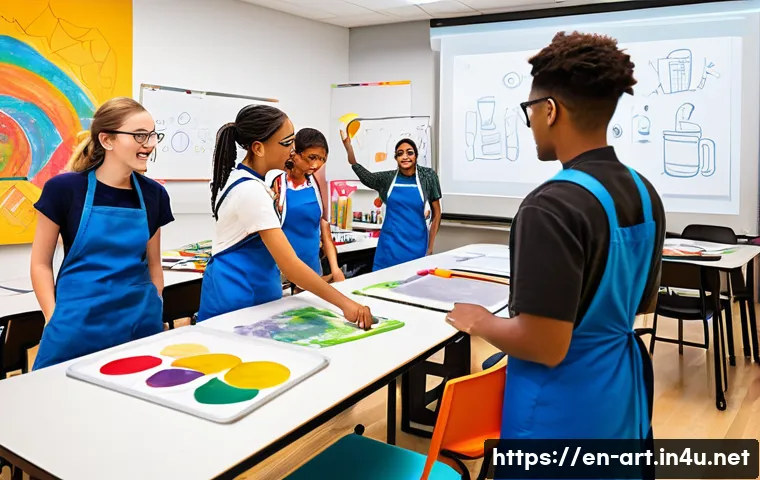
Technique-led instruction is often suitable for learners who want structured practice in drawing, painting, composition, or design. Lessons may include demonstrations, repeated exercises, and feedback on specific visual decisions. This approach can help a student who enjoys clear steps and wants to build foundational skills over time.
Ask how the instructor balances demonstration with independent decision-making. A class can teach useful methods without requiring every student to produce the same result.
Open-Ended Projects for Experimentation and Personal Expression
Process-focused learning gives students room to test materials, combine ideas, and make personal choices. It may suit learners who are curious, hesitant about “getting it right,” or motivated by themes rather than technical drills. The best open-ended projects still have a useful structure, such as a prompt, a limited set of materials, or a discussion question.
Freedom should not mean a lack of guidance. Look for teachers who offer options, demonstrate safe and manageable material use, and give feedback that helps students develop their own ideas.
Art Appreciation Activities for Visual Literacy and Discussion
Art appreciation develops visual literacy by encouraging learners to look carefully and discuss what they notice. Activities may explore color, subject matter, composition, context, and different interpretations. This approach can support students who enjoy conversation, history, images, and storytelling as much as hands-on making.
It works especially well when discussion leads back to practice. A student might observe how an artwork uses contrast, then experiment with contrast in a simple drawing or collage.
Plan Activities That Encourage Reflection Without Pressure
Art activities do not need to force personal disclosure to be meaningful. A thoughtful prompt can invite observation and reflection while allowing students to decide how much they want to share. This is important for children, teens, and adults who may have different comfort levels with personal topics.
Start With Prompts That Allow More Than One Correct Result
Use prompts with multiple possible responses. For example, a learner can draw an everyday object from an unusual angle, create a collage around a chosen color, or make an image inspired by a sound, place, or season. The goal is not to reach one approved outcome; it is to make choices and notice what happens.
These prompts support experimentation without placing pressure on the learner to reveal a particular feeling or create a polished result.
Ask Observation-Based Questions Instead of Judging Talent
Questions can shape the learning environment. Instead of asking whether a work is “good,” try questions such as: “What do you notice first?” “Which material gave the effect you wanted?” “What would you change if you made another version?” These questions focus on process, observation, and next steps.
This approach can help learners communicate about their work without being labeled as naturally talented or untalented. It also gives instructors and parents clearer information about what kind of support may be useful.
Balance Freedom, Demonstrations, Feedback, and Manageable Material Choices
A practical activity often includes a short demonstration, a clear starting point, time to experiment, and feedback that fits the learner’s age and experience. Too many materials or overly complex directions can distract from the main idea. Start with accessible choices and add complexity when the learner shows interest.
For home learning, keep materials visible and easy to use. For a class or workshop, ask whether the supply list is realistic for beginners and whether alternatives are available if certain materials are difficult to access.
Common Mistakes When Selecting Classes and Materials
Marketing images and supply lists can make an art program look impressive, but they do not always show how learning happens. A few careful questions can help families and program coordinators avoid paying for an experience that does not match the learner’s needs.
Choosing Only by the Final Artwork Shown in Marketing
Finished pieces may show what is possible in a class, but they do not explain the teaching process. Ask whether students make individual choices, receive age-appropriate feedback, and have time to explore materials. A gallery of nearly identical projects may suggest that copying a sample is receiving more attention than meaningful learning.
Overbuying Supplies Before Understanding the Curriculum
It is easy to purchase a large set of art materials before the first lesson. Instead, review the curriculum and supply requirements first. A beginner may need only a manageable set of tools, while a more specialized course may require materials that are relevant to its specific methods.
Check whether supplies are included, optional, reusable, or required for a portfolio project. This makes it easier to compare the real value of local art classes, online courses, and self-guided resources.
Ignoring Class Size, Feedback Style, Accessibility, and Scheduling Needs
Class size affects how much individual attention may be available. Feedback style matters too: some learners prefer direct technical corrections, while others respond better to questions and options. Consider accessibility needs, travel time, home technology, session length, and the learner’s comfort with group participation.
A program can have a strong curriculum and still be a poor fit if its schedule or format makes consistent attendance difficult.
Selection Criteria and Comparison Summary
Before enrolling, compare the learner’s goal, teaching approach, class size, feedback frequency, full supply costs, schedule, and cancellation terms. Review a sample lesson or curriculum outline when available, and ask how projects change for different experience levels. A low-cost self-guided option may be enough for a motivated learner who has access to basic materials and enjoys independent practice. Live instruction may add value when regular feedback, demonstrations, or accountability are important.
Ask practical questions before paying for a course, studio membership, or tutor: What will students practice? Are materials included? How is feedback delivered? What happens if a session is missed? Is there a trial option or a clear overview of the curriculum? Compare class size, supply costs, and feedback before enrolling. For current details, review the provider’s official course page and terms.
Closing Thoughts
Creative learning works best when the format supports the learner’s actual reason for participating. Some students want drawing foundations, some want room to experiment, and some want a flexible art routine at home. A good choice does not need to promise a perfect outcome. It should offer clear expectations, practical access to materials, and a teaching style that encourages steady participation.
Useful Things to Know
1. A finished artwork is only one sign of learning; sketches, revisions, and discussion can show progress too.
2. Art appreciation can strengthen observation and conversation even when a learner is not focused on technical production.
3. A short workshop can be a practical way to explore a medium or teaching style before making a longer commitment.
4. Supply requirements and schedule details should be checked separately from the advertised tuition or course fee.
Important Considerations
Individual outcomes vary. No art class, tutor, online course, or self-guided resource can guarantee a particular creative, academic, or emotional result. Confirm the curriculum, instructor background, current fees, supply costs, refund terms, accessibility options, and local availability directly with the provider. Art learning should not be treated as a replacement for professional educational, mental-health, or special-needs support when that support is needed.
Frequently Asked Questions
Q1. What should parents look for when choosing an art class for creative and emotional growth?
A1. Start with the learner’s goal. Look for a class that includes observation, experimentation, and feedback suited to the student’s age and comfort level. Review class size, curriculum, materials, schedule, and whether the instructor encourages discussion without promising a specific emotional result.
Q2. Are online art courses worth the cost compared with local studio classes?
A2. They can be worthwhile when flexible scheduling, repeatable demonstrations, and home learning are the main priorities. Local studio classes may offer more immediate feedback and hands-on materials guidance. Compare the course structure, supply list, level of live support, travel needs, and total cost rather than choosing by format alone.
Q3. Can art activities support emotional expression without being therapy?
A3. Yes. Art activities can offer a way to reflect, communicate, and discuss ideas or responses to images. However, each person’s experience is individual, and art activities should not be presented as a guaranteed therapeutic outcome or a replacement for professional support.