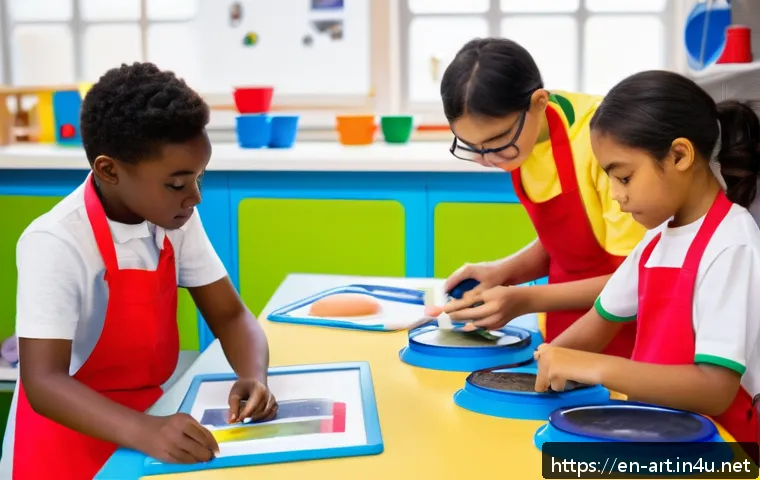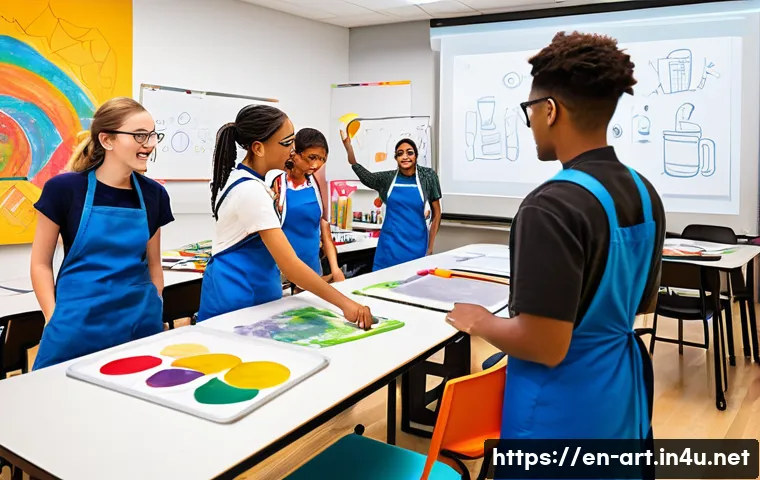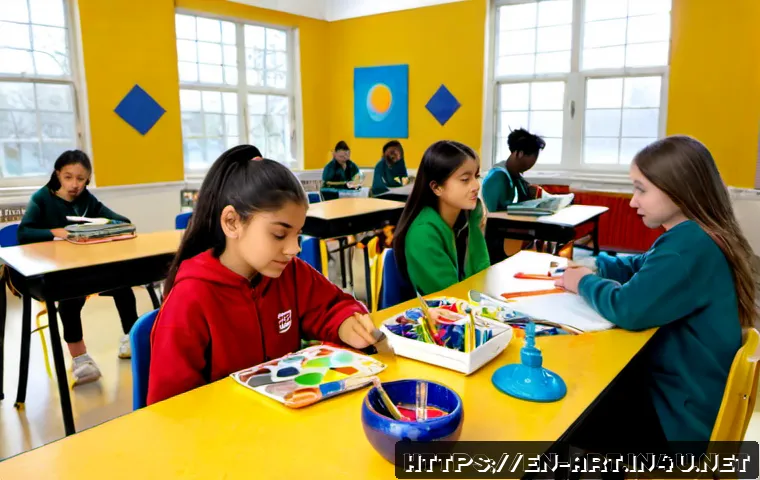
Differentiated middle school art instruction gives students multiple routes to the same artistic objective without lowering expectations. Teachers can vary scaffolds, media choices, pacing, demonstrations, and assessment evidence while keeping the core learning goal shared.
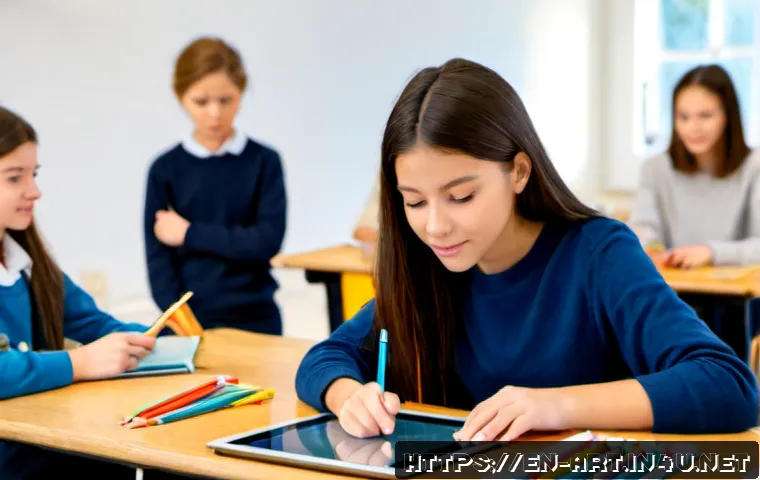
The most practical approach is usually to start with one clear objective and add a small number of flexible entry points. Teacher-made supports may be enough for many classes, while curriculum subscriptions, digital art tools, professional development, or visiting artists can be worth considering when they solve a real planning, access, or enrichment need.
The best resource is not necessarily the most feature-rich one; it is the one that fits students, available materials, lesson goals, and staff capacity.
At a Glance
- Differentiation means flexible paths to a shared goal, not a separate lesson for every student.
- Students can show learning through different media, subjects, levels of complexity, or forms of process documentation.
- Choose classroom resources based on objective alignment, access, setup time, and whether they solve a genuine teaching need.
| Resource Approach | Cost Pattern | Setup Time | Flexibility | Best Use Case |
|---|---|---|---|---|
| Teacher-created supports | Primarily planning time and existing materials | Can be significant at first | Very high | Teachers who know their students well and need highly specific scaffolds |
| Curriculum subscription resources | License or subscription should be checked | May reduce lesson-preparation time | Depends on editing and customization options | Teams seeking adaptable lesson structures, visuals, and planning support |
| Digital art tools | Device, account, and licensing requirements vary | Requires access checks and routine-building | Can expand media and revision options | Lessons where digital creation clearly supports the artistic objective |
| Visiting artist programs | Provider terms and scheduling vary | Requires coordination | Often focused on a particular practice or perspective | Specialist enrichment connected to a planned unit |
What Effective Differentiation Looks Like in a Middle School Art Room
The shared objective: common artistic thinking, flexible paths
Effective differentiation begins with a single non-negotiable learning objective. For example, a class may be working on how artists use contrast to guide a viewer’s attention. Every student can investigate that idea, even if one creates a collage, another draws with graphite, and another works digitally.
The common goal keeps expectations clear. The flexible path recognizes that middle school students arrive with varied technical skills, cultural experiences, confidence levels, language needs, and access to materials outside school. The aim is not to make every artwork look alike. It is to make the learning visible in ways students can reasonably access.
A three-line summary for teachers and curriculum leaders
Keep the artistic thinking consistent. Let students use appropriate choices in process, materials, and complexity.
Offer supports before students become stuck. Visual examples, demonstrations, and step-by-step options can remove unnecessary barriers.
Assess the evidence of learning. Use success criteria and process documentation rather than comparing finished pieces only by appearance.
What differentiation is not: lower expectations or separate lessons for everyone
Differentiation does not mean simplifying the objective for some learners and assigning extra work to others. It also does not require designing a unique project for every student. A manageable classroom structure might include one shared prompt, two or three media options, a visual process guide, and an extension question for students who are ready to go further.
Be careful not to confuse different output with different standards. If the goal is visual contrast, students should still explain or show how contrast works in their composition, regardless of their chosen medium.
Compare the Main Ways to Adapt Art Learning
Process, product, content, and environment adaptations
Teachers can differentiate through several connected areas. Process includes how students learn, such as teacher modeling, guided practice, reference images, or learning stations. Product includes how students demonstrate understanding, such as a sketchbook study, print, collage, digital image, or verbal explanation of artistic choices.
Content can be adjusted through artist-study materials, vocabulary supports, image sets, or examples with different levels of visual complexity. Environment includes practical access conditions: seating, tool placement, noise level, extra processing time, and sensory needs. These adjustments should support the objective rather than distract from it.
Choice boards, tiered prompts, learning stations, and mini-lessons
A choice board can give students meaningful control without creating an unmanageable number of tasks. For a lesson about texture, students might select drawing, collage, or digital methods while responding to the same success criteria. This preserves creative ownership and gives students different ways to enter the work.
Tiered prompts can vary the level of independence or visual complexity. A beginning artist may use a supplied composition frame or limited image references. A developing artist may make compositional decisions independently. A student ready for extension may investigate how texture changes meaning, mood, or audience response.
Learning stations work well when students need different kinds of help. One station can offer a brief demonstration, another can provide visual instructions, and another can focus on planning or artist research. Mini-lessons are useful when a whole-class need appears, but they should not replace individual check-ins for students who need a different type of support.
Resource comparison: teacher-made materials, curriculum subscriptions, digital tools, and specialist workshops
Teacher-created materials are often the strongest choice when the class has a clearly identified need. A teacher can build visual instructions, adapted prompts, or short demonstration cards that match existing materials exactly. The trade-off is planning time.
Adaptable art curriculum resources may add value when they provide editable lesson structures, artist-study materials, assessment tools, or professional learning that a team would otherwise create repeatedly. Before purchasing a curriculum license, check whether the materials can be adjusted for local learning objectives and student access.
Digital art tools can broaden options for drawing, image editing, layout, and revision. They should not be added simply because they are available. Confirm that students have realistic access to devices, that instructions are understandable, and that the tool supports the intended visual arts learning.
Specialist workshops or a visiting artist can bring focused expertise and new artistic perspectives. Their best role is usually as enrichment connected to classroom learning, not as a replacement for a coherent unit plan. Review safeguarding practices, evidence of suitability, scheduling requirements, and curriculum fit before committing.
Plan a Lesson That Supports Different Readiness Levels
Start with one non-negotiable learning objective
Write the objective before choosing the activity. A useful objective identifies what students should understand or be able to do artistically. For example: students will use color choices to communicate a selected mood. That objective can support many different subjects, media, and levels of technical detail.
Then define a short set of success criteria. Students might need to make intentional color choices, create a composition that supports the selected mood, and document or explain at least one decision. Clear criteria prevent choice from becoming vague or unfair.
Build entry points for beginners, developing artists, and students ready for extension
Beginners may benefit from a limited palette, a planning template, visual vocabulary, or a teacher demonstration broken into steps. Developing artists may choose from several reference approaches and plan independently. Students ready for extension may explore ambiguity, symbolism, audience interpretation, or the relationship between color and cultural context.
The difference should be in access and depth, not in whether a student is considered capable of meaningful artistic thinking. An extension should not simply mean producing a larger artwork or completing more decorative detail.
Use scaffolds without limiting creative ownership
Scaffolds are temporary supports, not rules that force every student toward the same result. Visual instructions, process checklists, adaptive tools, and alternative ways to explain artistic decisions can help students participate more independently. A student might annotate a sketch, record a short explanation, use labeled image choices, or discuss decisions with the teacher.
Offer the support as a resource rather than a label. This reduces the risk that students see scaffolding as evidence that they are in a separate or lesser group.
Avoid Common Implementation and Assessment Mistakes
Avoid confusing more work with more challenge
Giving an advanced student additional objects to draw, a larger format, or more required pages may increase workload without improving learning. A stronger challenge asks for deeper artistic reasoning. Students might revise an early idea, compare two compositional possibilities, or explain how a visual choice shapes meaning.
Keep rubrics focused on evidence of learning, not identical outcomes
When final artworks differ substantially, a rubric should focus on the shared objective. Consider criteria such as intentional use of a visual element, development of ideas, use of feedback, and explanation of choices. Process documentation can make assessment more consistent because it shows planning, revision, and decision-making.
Do not assess confidence as talent. A polished outcome may reflect prior access to materials or instruction outside school. A fair assessment looks for evidence that the student engaged with the learning goal using the resources available in class.
Check materials, technology access, safety, and sensory needs before launch
A choice-based plan only works if the choices are genuinely available. Check materials before students select a pathway. For digital work, confirm device access, account requirements, and the time needed to learn the tool. For physical media, consider safe use, cleanup routines, adaptive tools, and sensory considerations.
It is better to offer two dependable options than five options that create shortages, confusion, or uneven access.
Match Support to Common Classroom Situations
Students who lack confidence or say they “cannot draw”
Start with low-risk entry points. Provide a short demonstration, visual references, and a manageable first step such as creating thumbnails or testing marks. Let students choose a medium that feels approachable, but keep the artistic objective visible. Praise specific decisions and process evidence rather than making broad judgments about talent.
Multilingual learners and students who benefit from visual directions
Use illustrated instructions, labeled tools, step-by-step demonstrations, and examples that show the sequence of work. Keep essential vocabulary visible and connect it to images. Students may also benefit from drawing, pointing, annotating, or explaining decisions in an alternative format when language-heavy writing is not the intended skill.
Advanced students who need conceptual rather than merely technical challenge
Invite students to consider message, context, symbolism, audience, or competing visual solutions. Ask them to document why they rejected one idea and developed another. This keeps the challenge connected to artistic thinking rather than rewarding speed or prior technical experience alone.
Large classes with limited preparation time
Use repeatable structures. A shared objective, one visual instruction sheet, a small set of material choices, and a simple process checklist can serve many learners without producing dozens of separate tasks. If planning time is the main constraint, adaptable curriculum materials or teacher professional development may be worth evaluating for their ability to reduce repeated preparation.
Selection Criteria and Comparison Summary
Use these checks before selecting an art curriculum platform, digital tool, professional development option, or specialist enrichment provider:
- Objective alignment: Does it support the visual arts learning you actually need to teach?
- Adaptability: Can teachers adjust prompts, scaffolds, media choices, and assessment pathways?
- Student access: Are materials, devices, instructions, and accessibility supports realistic for the class?
- Planning value: Does the resource save meaningful preparation time rather than duplicate materials staff already have?
- Assessment fit: Does it support clear success criteria and process documentation?
- Provider checks: For external educators or programs, review local curriculum fit, safeguarding practices, evidence, licensing terms, and accessibility information.
Teacher-created differentiation is often the best value when a small number of reusable supports will solve the problem. Paid curriculum resources may justify their cost when they reduce ongoing planning work and remain adaptable. Check the official information page for current license terms, access features, and provider conditions before making a decision.
Closing Thoughts
Differentiation in middle school art does not require a different project for every learner. It requires a clear shared goal, practical choices, and supports that help students show what they understand. Start small with one lesson structure that can be reused. Then review what students needed, what created unnecessary complexity, and which resources genuinely improved access or planning.
Useful Information to Keep in Mind
1. Choice works best when choices are connected to the same learning objective.
2. Visual instructions and demonstrations can support many students, not only those formally identified as needing support.
3. Process notes, sketches, and short explanations can make varied final products easier to assess fairly.
4. A smaller set of reliable options is often easier to manage than a wide range of poorly supported choices.
Important Considerations
No single differentiation model is automatically right for every school, timetable, class size, budget, or student population. Exact pricing, licensing terms, accessibility features, and curriculum alignment vary by provider and should be confirmed directly. An external educator, digital platform, or training program should be reviewed for local fit and safeguarding before it is adopted.
Frequently Asked Questions
Q1. What is the easiest way to differentiate a middle school art lesson?
A1. Start with one shared artistic objective, then offer two or three ways to access or demonstrate it. For example, keep the same goal while allowing a choice of media, providing visual instructions, and adding an extension prompt for students ready for deeper analysis.
Q2. Do schools need a paid art curriculum to provide differentiated instruction?
A2. No. Teacher-made visual supports, choice structures, demonstrations, and clear rubrics can provide meaningful differentiation. A paid curriculum resource may be useful if it saves planning time, offers adaptable materials, and fits the school’s learning objectives and access needs.
Q3. How can teachers assess different art projects fairly when students have different choices?
A3. Assess the shared success criteria rather than requiring identical final products. Use evidence such as planning, experimentation, revision, intentional use of visual elements, and an explanation of artistic decisions. Process documentation helps make expectations clearer across different media and outcomes.