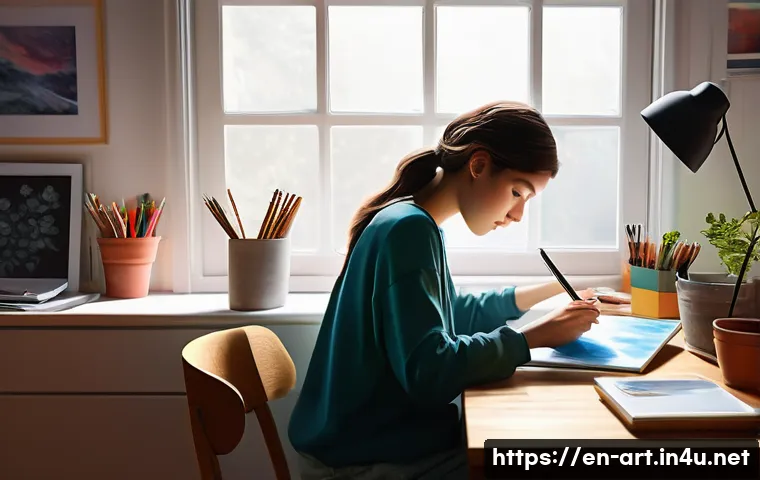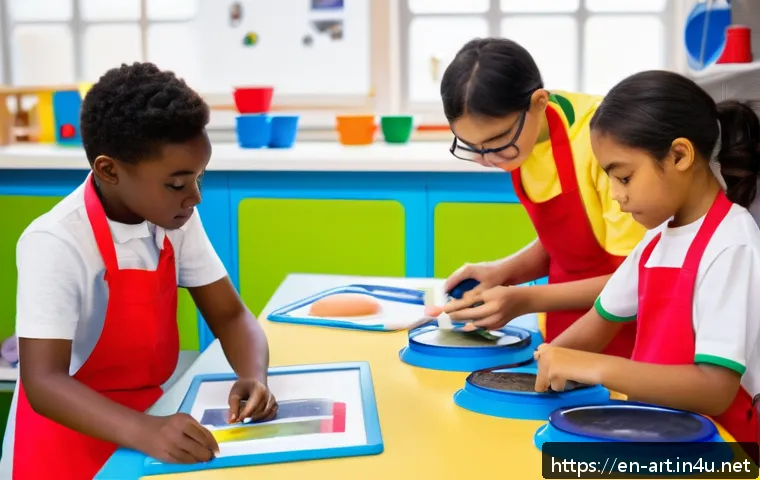
In today’s fast-paced world, fostering innovation and critical thinking in education has never been more crucial. Integrating art into STEAM (Science, Technology, Engineering, Arts, and Mathematics) isn’t just a trend—it’s transforming how students approach problem-solving and creativity.
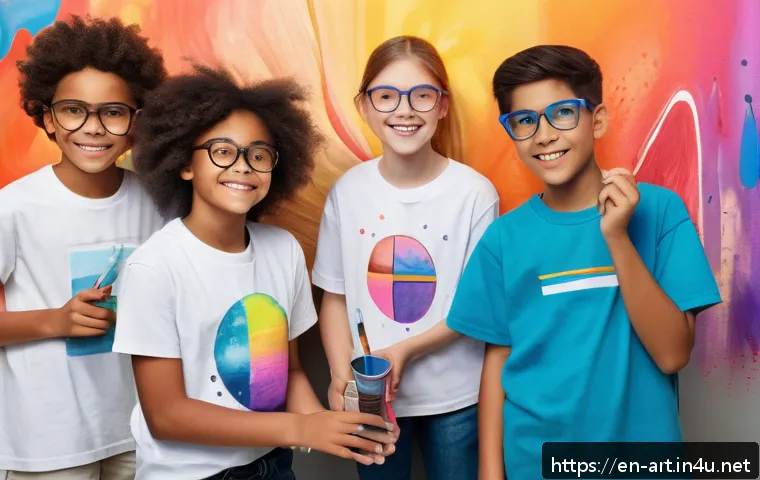
From hands-on projects to collaborative designs, blending artistic expression with technical skills sparks fresh ideas and deeper understanding. As educators and learners alike seek more engaging and effective methods, this fusion offers a powerful way to prepare for the challenges of tomorrow.
Let’s dive into how art is reshaping STEAM education and unlocking new potential in young minds.
Unleashing Creativity Through Multisensory Learning
Engaging Different Senses to Enhance Understanding
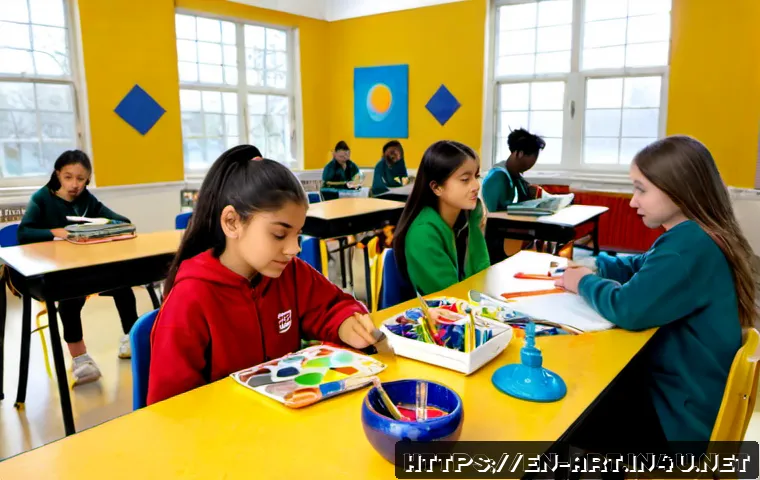
When students get to experience learning through multiple senses, their brains tend to form stronger connections. For example, combining visual art with tactile activities like sculpting or model building can make abstract scientific concepts far more concrete.
I remember seeing a group of students who built a 3D model of the solar system using clay and paint; not only did they grasp planetary distances better, but they also sparked lively conversations about space exploration.
This multisensory approach encourages learners to move beyond passive reception and actively construct knowledge, which deepens retention and sparks curiosity.
How Artistic Mediums Help Translate Complex Ideas
Art offers unique ways to represent data and scientific phenomena that words or numbers alone can’t capture. Whether it’s using color gradients to show temperature changes or drawing cartoons to depict chemical reactions, visual storytelling simplifies complex ideas.
In my experience, students who incorporate sketching or animation into their projects often develop a more nuanced grasp of the topic. This creative translation also makes presentations more engaging, increasing confidence and communication skills.
Encouraging Experimentation Without Fear of Failure
One of the biggest barriers to innovation is the fear of making mistakes. Art encourages a mindset where trial and error are part of the process, not setbacks.
When students paint, build, or code with creative freedom, they learn resilience and adaptability. I’ve noticed that classrooms embracing this culture see more risk-taking and original solutions in STEM challenges because students feel safe to explore unconventional ideas.
Collaboration Amplified by Diverse Perspectives
Bringing Together Different Skill Sets for Holistic Solutions
When students from various backgrounds—technical, artistic, or otherwise—come together, the range of ideas multiplies exponentially. I’ve facilitated workshops where engineers teamed up with art students to design eco-friendly gadgets, and the results were inspiring.
These collaborations mimic real-world innovation, where cross-disciplinary teams tackle problems more effectively by combining their strengths.
Building Communication Skills Through Shared Creativity
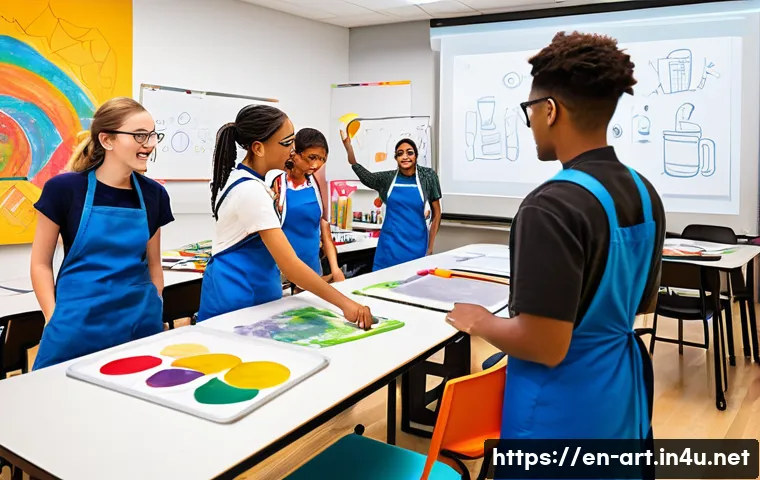
Collaborative art projects require constant dialogue and negotiation, which naturally improves communication. When students co-create a mural or a prototype, they must articulate their visions and listen to others.
This dynamic nurtures empathy and leadership, skills that are invaluable in any career. Personally, I’ve seen shy students blossom when given a chance to contribute creatively in group settings, gaining confidence that spills over into academic and social arenas.
Fostering Community and Inclusion in Learning Spaces
Art-infused STEAM environments often feel more welcoming and inclusive, breaking down barriers between disciplines and personalities. By valuing creative expression alongside technical expertise, schools can cultivate a sense of belonging for students who might otherwise feel marginalized.
From my observations, this inclusive atmosphere motivates participation and helps diverse learners see themselves as capable innovators.
Developing Critical Thinking Through Design Challenges
Problem Identification and Ideation
Design challenges push students to define problems clearly before jumping to solutions. This step nurtures critical thinking by forcing learners to analyze the root causes and constraints.
I recall a design task where students had to develop sustainable water filtration systems; those who spent more time researching and brainstorming ultimately crafted more effective and innovative prototypes.
Iterative Prototyping and Feedback Loops
Creating multiple versions and refining ideas based on feedback is central to both art and engineering. This iterative process teaches students that mastery comes through revision, not perfection on the first try.
From my experience, encouraging this mindset reduces frustration and promotes deeper learning, as students see each iteration as progress rather than failure.
Evaluating Solutions with Real-World Impact
Critical thinking extends to assessing how well a design meets its goals in practical contexts. I’ve observed students becoming more reflective and analytical when they test their projects against real-world criteria like cost, usability, or environmental effects.
This practice builds responsibility and prepares them for future challenges where solutions must be both innovative and feasible.
Integrating Technology Seamlessly into Creative Processes
Using Digital Tools to Expand Artistic Possibilities
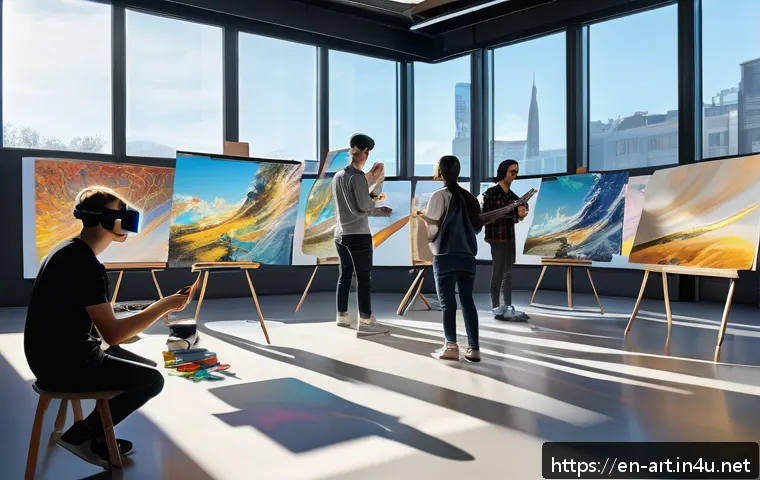
Technology like tablets, 3D printers, and coding platforms opens new avenues for creative expression. Students who might struggle with traditional art materials often thrive when given digital alternatives.
For instance, I’ve seen learners produce stunning digital animations that convey scientific concepts with clarity and flair, blending artistry with technical skills in ways that textbooks alone can’t offer.
Enhancing Collaboration with Online Platforms
Virtual collaboration tools enable students to work together beyond the classroom walls, sharing ideas and refining projects in real time. I’ve facilitated remote STEAM workshops where teams used cloud-based software to design robots and storyboard narratives, demonstrating how technology fosters teamwork and global perspectives.
Preparing Students for Future Career Landscapes
Mastering both creative and technical tools equips students with versatile skills highly valued in today’s job market. From my conversations with industry professionals, those comfortable navigating digital creativity alongside STEM knowledge stand out as adaptable problem solvers.
Integrating technology into creative STEAM projects bridges education and employment seamlessly.
Measuring the Impact of Creativity in STEAM Learning
Assessing Student Growth Beyond Traditional Tests
Creativity challenges conventional assessment models that focus on right or wrong answers. Instead, evaluating STEAM projects often involves rubrics measuring originality, problem-solving process, and collaboration.
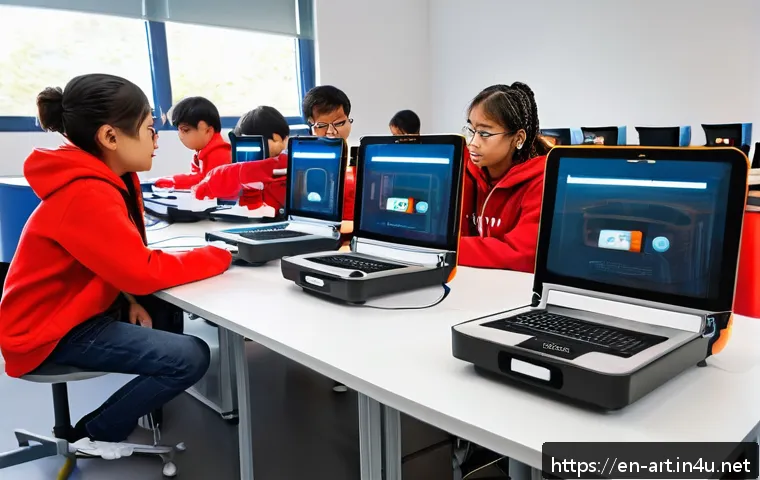
In my teaching experience, this holistic approach motivates students to invest effort and take ownership of their learning journey.
Tracking Engagement and Motivation
Creative STEAM activities tend to boost student engagement significantly. I’ve noticed classrooms where students are visibly excited to participate in projects that combine art and technology, leading to better attendance and enthusiasm.
This positive energy often correlates with improved academic performance and deeper subject comprehension.
Long-Term Benefits for Lifelong Learning
Skills developed through creative STEAM education—such as adaptability, critical thinking, and collaboration—extend far beyond school. From mentoring young innovators, I’ve seen how these competencies empower individuals to tackle complex challenges and pursue continuous learning throughout their lives.
| Aspect | Traditional STEM Approach | Art-Integrated STEAM Approach |
|---|---|---|
| Learning Style | Mostly analytical and formulaic | Multisensory and expressive |
| Problem-Solving | Linear and rigid | Iterative and flexible |
| Collaboration | Disciplinary silos | Cross-disciplinary teamwork |
| Assessment | Focus on correct answers | Emphasis on creativity and process |
| Student Engagement | Varies, often passive | Active and motivated participation |
| Skill Development | Technical proficiency | Technical plus creative and social skills |
Encouraging Educators to Embrace Artistic Integration
Professional Development and Training
For teachers to successfully blend art into STEM, they need ongoing support and resources. I’ve attended workshops where educators learned practical ways to incorporate creative projects without sacrificing curriculum goals.
These sessions often boost teacher confidence and inspire new lesson ideas.
Building a Culture That Values Creativity
Shifting school culture to embrace artistic integration requires leadership and community buy-in. From my involvement in school initiatives, celebrating student creativity publicly and sharing successes fosters enthusiasm among staff, students, and parents alike.
This shared vision strengthens the commitment to innovative education.
Overcoming Challenges and Resistance
Some educators worry that adding art might dilute academic rigor or complicate assessments. Addressing these concerns openly and providing evidence of improved student outcomes helps ease resistance.
I’ve found that highlighting real examples where creativity enhanced understanding convinces skeptics and opens doors to broader adoption.
Designing Learning Environments That Inspire Innovation
Flexible Spaces for Collaboration and Creation
Physical classroom design plays a big role in facilitating art-infused STEAM activities. Spaces that allow movement, group work, and hands-on experimentation encourage creativity.
I once visited a school where movable furniture and maker labs transformed the learning atmosphere, making it vibrant and conducive to exploration.
Access to Diverse Materials and Tools
Having a variety of art supplies alongside technological equipment invites experimentation. Whether it’s paintbrushes or 3D printers, access to resources empowers students to bring ideas to life.
From my experience, schools that invest in diverse materials see higher student engagement and richer project outcomes.
Incorporating Nature and Community Resources
Outdoor environments and local partnerships can enrich STEAM learning by connecting students to real-world contexts. Gardening projects, museum visits, or collaborations with local artists add layers of meaning and relevance.
I’ve witnessed how these experiences ignite passion and deepen understanding in ways classroom walls alone cannot achieve.
In Conclusion
Integrating creativity into STEAM education transforms how students learn and engage with complex concepts. By embracing multisensory experiences, collaboration, and technology, learners develop critical skills that prepare them for the future. This holistic approach not only deepens understanding but also fosters confidence and innovation. Encouraging educators and schools to adopt these methods will cultivate environments where every student can thrive as a creative problem solver.
Helpful Information to Keep in Mind
1. Multisensory learning strengthens brain connections by engaging sight, touch, and other senses, making abstract ideas more tangible.
2. Artistic expression simplifies complex topics and improves communication skills, boosting student confidence in presenting their ideas.
3. Encouraging experimentation without fear of failure nurtures resilience and opens doors to innovative thinking.
4. Cross-disciplinary collaboration enhances problem-solving by combining diverse skills and perspectives.
5. Incorporating technology seamlessly supports creative expression and prepares students for evolving career demands.
Key Takeaways
Creative integration in STEAM education enriches learning by promoting active engagement, critical thinking, and teamwork. It challenges traditional teaching methods by valuing process over perfection and encouraging risk-taking. Providing educators with proper training and fostering inclusive, flexible learning spaces are essential for success. Ultimately, this approach equips students with versatile skills that extend well beyond the classroom, empowering lifelong innovation and adaptability.
Frequently Asked Questions (FAQ) 📖
Q: How does integrating art into STE
A: M enhance students’ problem-solving skills? A1: Incorporating art into STEAM encourages students to think beyond traditional boundaries. When students engage in creative processes like drawing, designing, or storytelling alongside scientific concepts, they develop flexible thinking and innovative approaches.
From my experience, projects that blend artistic creativity with technical challenges push learners to experiment, iterate, and see problems from multiple angles, which leads to more effective and original solutions.
Q: What are some practical examples of combining art with STEM subjects in the classroom?
A: Practical examples include designing prototypes with aesthetic considerations, coding interactive art installations, or using visual arts to represent complex data.
For instance, I once observed a robotics class where students designed robot exteriors with personalized artistic touches, making the technology more relatable and engaging.
Such activities not only boost technical skills but also foster collaboration and communication, as students share diverse ideas to create something both functional and visually appealing.
Q: Why is the STE
A: M approach important for preparing students for future careers? A3: The STEAM approach reflects the real-world need for professionals who can navigate both technical expertise and creative thinking.
Industries today value innovation that comes from merging analytical skills with artistic insight. From my perspective, students exposed to STEAM develop adaptability, emotional intelligence, and the ability to work across disciplines—traits that employers increasingly seek.
This balanced skill set equips learners to tackle complex challenges and thrive in rapidly evolving career landscapes.