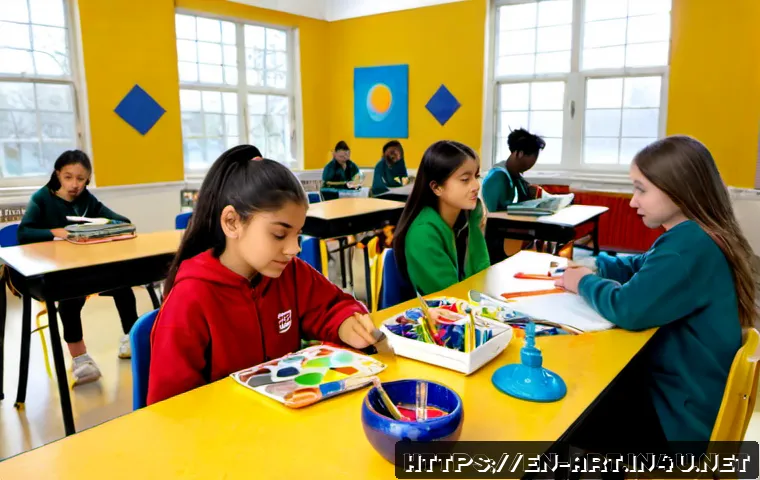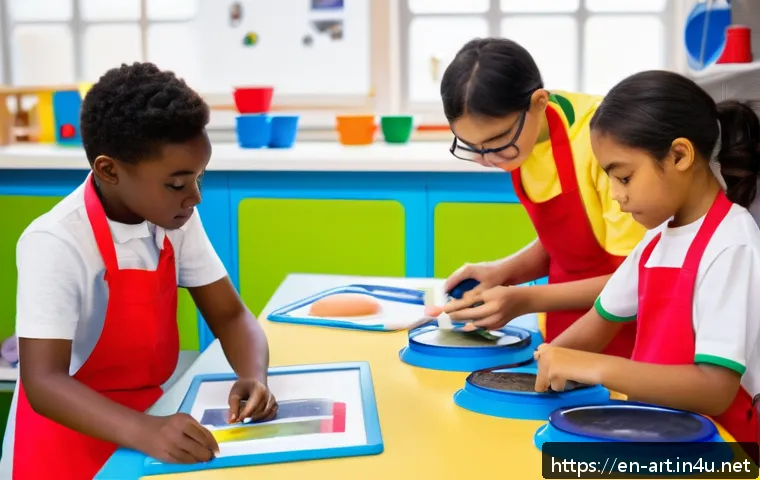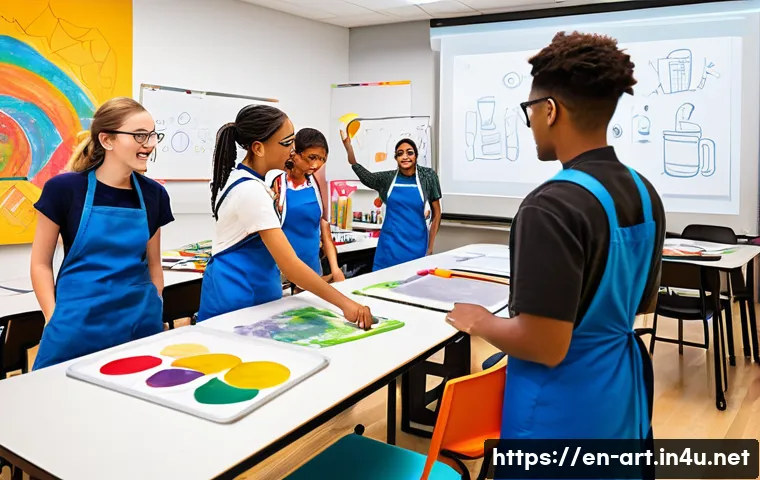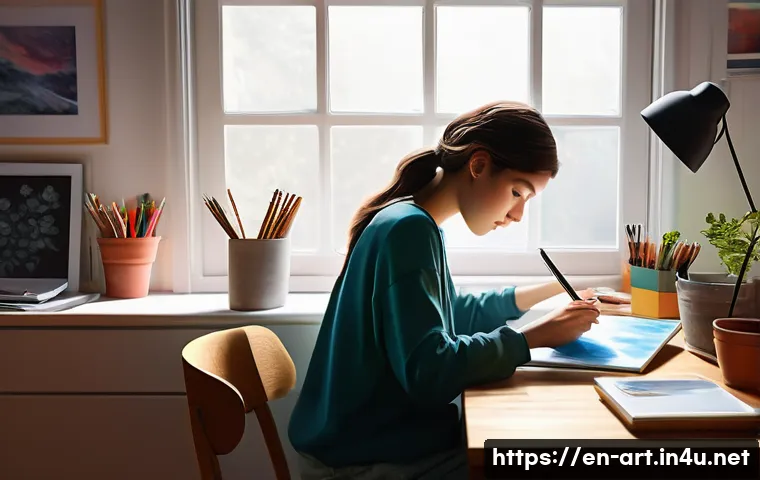
In today’s fast-paced digital world, art education is undergoing an exciting transformation that goes beyond traditional classrooms. With interactive experiences gaining momentum, creativity is being sparked in ways we never imagined before.
Whether it’s virtual reality workshops or hands-on digital tools, these innovations are reshaping how students engage with art. If you’ve ever felt stuck in a creative rut, this new wave of learning might just be the inspiration you need.
Let’s dive into how interactive art education is opening doors to limitless creative possibilities and why it matters now more than ever.
Blending Technology with Artistic Expression
Immersive Virtual Environments
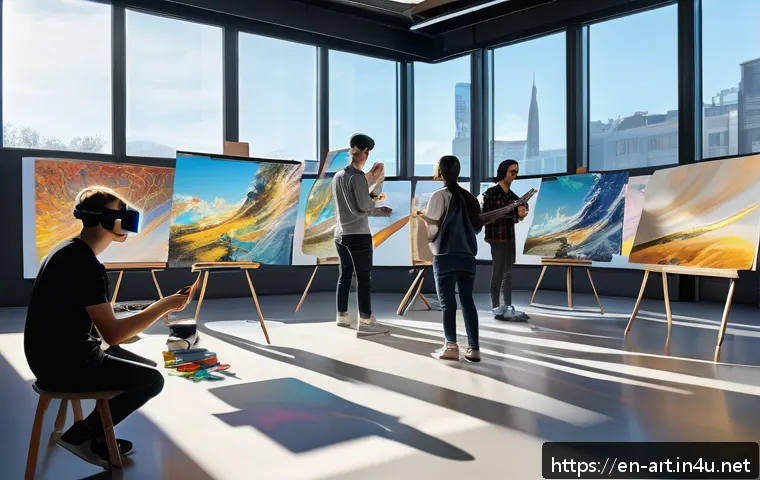
Virtual reality is no longer just for gaming; it’s rapidly becoming a powerful tool in art education. When I first tried a VR painting app, the ability to step inside a three-dimensional canvas was mind-blowing.
Students can now sculpt, paint, and design in a space that feels limitless, offering an entirely new dimension to creativity. This immersive experience helps break down traditional barriers, allowing learners to experiment freely without the fear of making permanent mistakes.
The sensory engagement also improves focus and retention, making art lessons more memorable and enjoyable.
Augmented Reality Enhancements
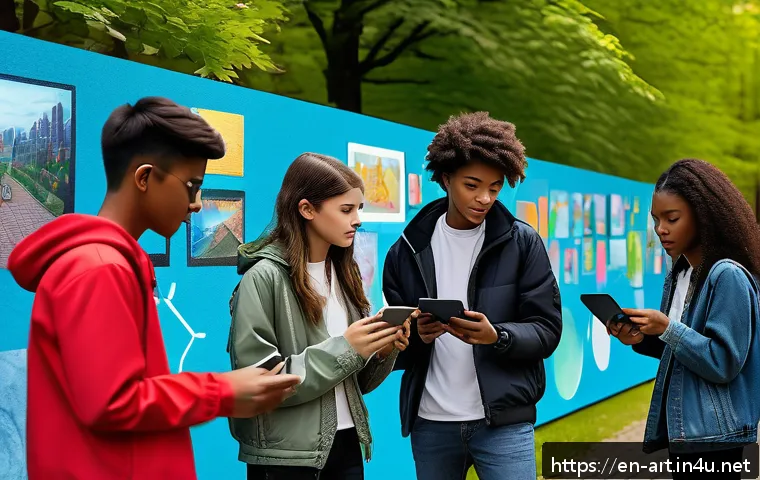
Augmented reality overlays digital elements onto the real world, transforming simple sketches or classroom projects into interactive experiences. For instance, students can point their tablets at a drawing and see it come alive with movement or sound.
This interactive feedback loop encourages deeper exploration and understanding of artistic concepts. From my experience, AR also fosters collaboration as students share their animated creations, sparking conversations that extend beyond the classroom walls.
Digital Tools as Creative Catalysts
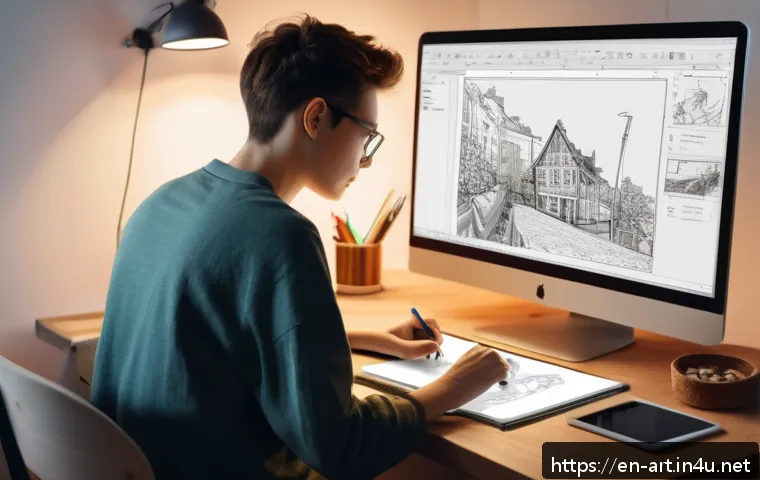
The evolution of digital art software offers a plethora of options, from intuitive drawing apps to complex design platforms. What’s exciting is how these tools are becoming more accessible, enabling learners of all ages to dive into graphic design, animation, and even 3D modeling.
I’ve noticed that incorporating these tools into lessons not only enhances technical skills but also nurtures problem-solving and critical thinking. Plus, the instant feedback from digital platforms motivates students to iterate and refine their work in real-time, a dynamic rarely found in traditional media.
Encouraging Collaborative Creativity
Online Art Communities
One of the biggest shifts in art education is how students now connect with peers and mentors worldwide. Online platforms create vibrant communities where sharing works, receiving critiques, and drawing inspiration become daily habits.
I personally found that participating in these groups broadened my perspective and pushed me to experiment beyond my comfort zone. This sense of belonging and mutual support can transform solitary art practice into a social, motivating experience.
Group Projects with Tech Integration
Technology facilitates group projects that blend various artistic disciplines—music, visual arts, storytelling—into cohesive multimedia works. When I collaborated on a virtual mural project, we used cloud-based tools to contribute simultaneously, regardless of our physical locations.
This approach not only builds teamwork skills but also mirrors professional creative workflows, preparing students for future careers in art and design industries.
Feedback Loops and Peer Learning
Interactive platforms allow for continuous feedback, which is crucial for artistic growth. Students can upload works-in-progress and receive constructive comments from classmates and instructors alike.
I’ve witnessed how timely, diverse feedback can ignite new ideas and refine techniques, fostering a growth mindset that values experimentation over perfection.
Personalized Learning Paths in Art
Adaptive Software Tailored to Skill Levels
Gone are the days of one-size-fits-all art lessons. Adaptive learning software assesses individual skill sets and adjusts challenges accordingly, ensuring students are neither bored nor overwhelmed.
From my experience, this personalization keeps motivation high and encourages steady progress. It also allows educators to focus their attention where it’s needed most, making the learning process more efficient.
Self-Paced Exploration
With access to a vast array of digital resources, learners can explore their interests at their own pace. Whether it’s mastering watercolor techniques through online tutorials or experimenting with digital animation, the freedom to choose topics fosters intrinsic motivation.
I’ve noticed that this autonomy often leads to deeper engagement and more sustained creative habits.
Tracking Growth Through Digital Portfolios
Digital portfolios provide a dynamic way to document artistic journeys. Unlike traditional scrapbooks, these portfolios can include video reflections, step-by-step progressions, and even interactive elements.
Maintaining such a portfolio encourages students to reflect critically on their work and recognize growth over time, a process I found invaluable in building confidence and a strong artistic identity.
Breaking Accessibility Barriers
Remote Learning Opportunities
Interactive art education has dramatically expanded access for students in remote or underserved areas. I’ve spoken with educators who successfully use online platforms to bring high-quality art instruction to places lacking specialized teachers or resources.
This democratization of art education opens doors for countless aspiring artists who might otherwise have limited opportunities.
Assistive Technologies for Diverse Needs
Inclusive design is a key focus in modern art education. Assistive technologies, such as speech-to-text for artists with motor impairments or customizable interfaces for neurodiverse learners, ensure everyone can participate fully.
From my observations, these tools not only enhance accessibility but also empower students to express themselves in unique and meaningful ways.
Community Partnerships and Resource Sharing
Schools and organizations increasingly collaborate to pool resources and expertise, making interactive art education more affordable and widespread. For example, local libraries might offer VR art workshops or digital art labs open to the public.
Such partnerships create vibrant ecosystems that support lifelong learning and community engagement.
Measuring Impact and Engagement
Quantitative Metrics in Interactive Learning
Tracking student engagement through clicks, time spent on tasks, and completion rates provides valuable insights into what methods work best. From my experience using educational platforms, these metrics help educators fine-tune lesson plans and identify students who might need extra support.
However, it’s important to balance numbers with qualitative feedback to capture the full learning experience.
Qualitative Benefits Beyond Test Scores
Art education’s true value often lies in intangible gains like confidence, emotional expression, and critical thinking. Interactive experiences enhance these aspects by offering immersive, hands-on learning that resonates deeply with students.
I’ve seen firsthand how participation in interactive projects can boost self-esteem and foster a lifelong passion for creativity.
Future Trends and Continuous Improvement
As technology evolves, so will the tools and methods for interactive art education. Staying curious and adaptable is key. In my own journey, embracing new platforms and experimenting with emerging tech has kept my teaching and creative practice fresh and exciting, a mindset I encourage all educators and learners to adopt.
Comparison of Interactive Art Education Tools
| Tool | Main Features | Ideal For | Benefits |
|---|---|---|---|
| VR Painting Apps | 3D immersive environments, motion tracking, multi-sensory feedback | Advanced learners, experimental artists | Unlimited creative space, enhanced engagement |
| Augmented Reality Platforms | Overlay digital art on real-world objects, interactive animations | Beginner to intermediate, collaborative projects | Interactive learning, promotes teamwork |
| Digital Drawing Software | Layer management, diverse brushes, real-time editing | All skill levels, individual practice | Skill development, instant feedback |
| Online Art Communities | Peer feedback, shared galleries, challenges | All learners seeking community | Motivation, diverse perspectives |
| Adaptive Learning Platforms | Personalized lessons, progress tracking | Students needing tailored instruction | Efficient learning, sustained motivation |
Preparing Students for Creative Careers
Real-World Skill Development
Interactive art education equips students with skills directly transferable to creative industries. From mastering digital tools to collaborating remotely, these experiences mimic professional environments.
I’ve noticed that students who engage with technology early on tend to navigate creative job markets with more confidence and versatility.
Building a Portfolio that Stands Out
The combination of traditional techniques and digital innovation allows learners to create diverse portfolios showcasing a wide range of skills. Having worked with emerging artists, I can attest that a well-rounded portfolio—featuring both physical and digital works—opens doors to internships, scholarships, and job opportunities.
Encouraging Entrepreneurial Mindsets
Interactive platforms often include elements of project management, marketing, and presentation, subtly introducing students to the business side of art.
This holistic approach nurtures entrepreneurial thinking, empowering artists to take charge of their careers and monetize their creativity effectively.
Conclusion
Integrating technology with artistic expression is reshaping how creativity is taught and experienced. From immersive virtual environments to collaborative online communities, these tools open new pathways for learning and innovation. Embracing these advancements enriches both educators’ methods and students’ engagement, preparing them for future creative challenges.
Useful Information to Keep in Mind
1. Technology in art education encourages experimentation without fear of mistakes, boosting confidence and creativity.
2. Collaborative platforms foster peer learning and expand artistic perspectives beyond physical classrooms.
3. Personalized digital tools adapt to individual skill levels, helping learners progress efficiently at their own pace.
4. Accessibility features and remote learning opportunities make art education inclusive for diverse learners everywhere.
5. Building a diverse portfolio that combines traditional and digital media enhances career readiness in creative industries.
Key Takeaways
Interactive art education combines technology and creativity to offer personalized, engaging, and accessible learning experiences. It promotes collaboration, continuous feedback, and real-world skill development while supporting diverse needs and fostering entrepreneurial mindsets. Staying adaptive to evolving tools ensures that both educators and students thrive in an ever-changing creative landscape.
Frequently Asked Questions (FAQ) 📖
Q: uestions about Interactive
A: rt Education
Q: How does interactive art education differ from traditional art classes?
A: Interactive art education goes beyond the usual lecture and studio setup by incorporating technology and hands-on digital tools that actively engage students.
Instead of passively observing or following strict guidelines, learners participate in immersive experiences like virtual reality workshops or digital painting apps.
This dynamic approach encourages experimentation and personal expression, making creativity feel more accessible and exciting. From my own experience, this method helps break creative blocks by offering fresh ways to interact with art, which traditional classes might not provide.
Q: What are the benefits of using virtual reality in art education?
A: Virtual reality (VR) opens up a whole new dimension for art students by allowing them to step inside their creations or explore artworks in 3D space. This immersive environment enhances spatial understanding and inspires innovative thinking.
For example, during a VR sculpture workshop I attended, being able to manipulate shapes in mid-air felt liberating compared to working on a flat canvas.
VR also makes art more inclusive by offering remote access to museum tours or collaborative projects, which is especially valuable in today’s globalized world.
Q: Can interactive art education help someone who feels stuck creatively?
A: Absolutely! Interactive art education is designed to spark fresh ideas and reignite passion by offering diverse tools and experiences. When you’re stuck, trying out a new digital medium or joining a VR art session can shift your perspective and break the monotony.
From personal experience, experimenting with interactive apps introduced me to techniques I hadn’t considered before, which boosted my confidence and creativity.
These innovative methods make it easier to overcome creative ruts and keep the artistic journey exciting.