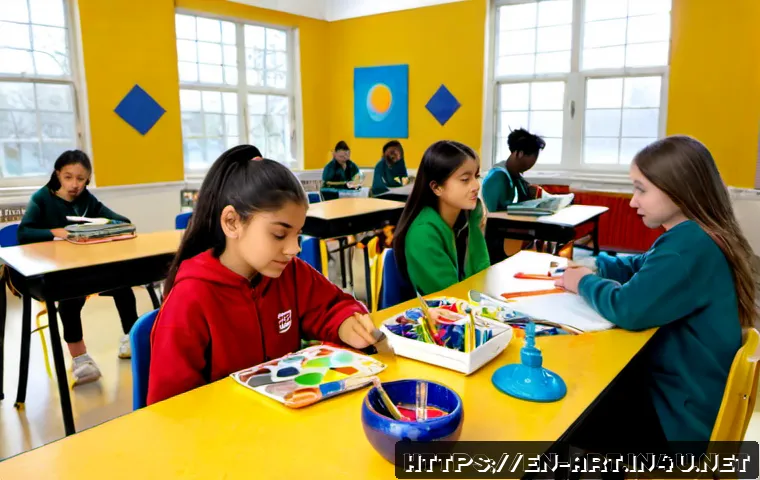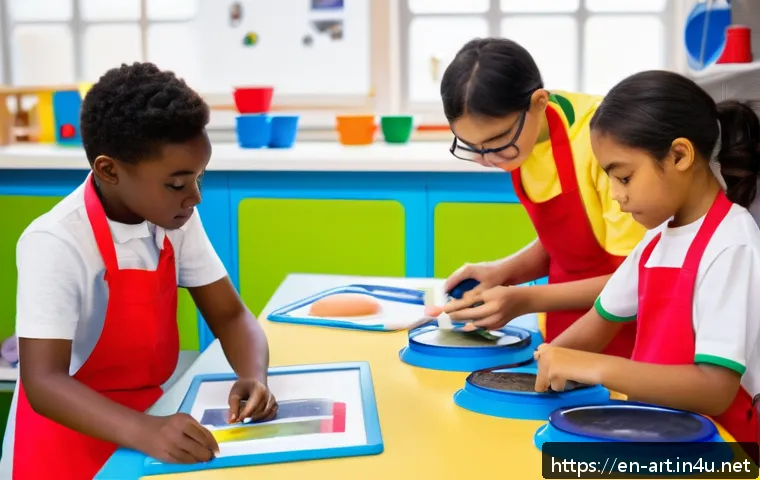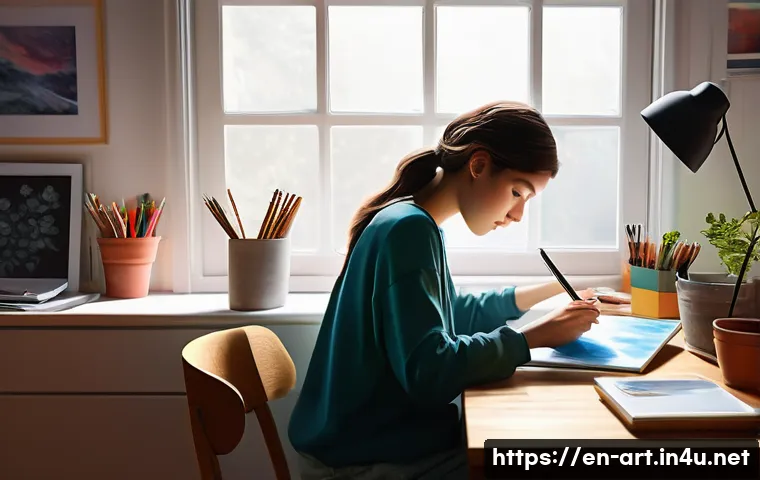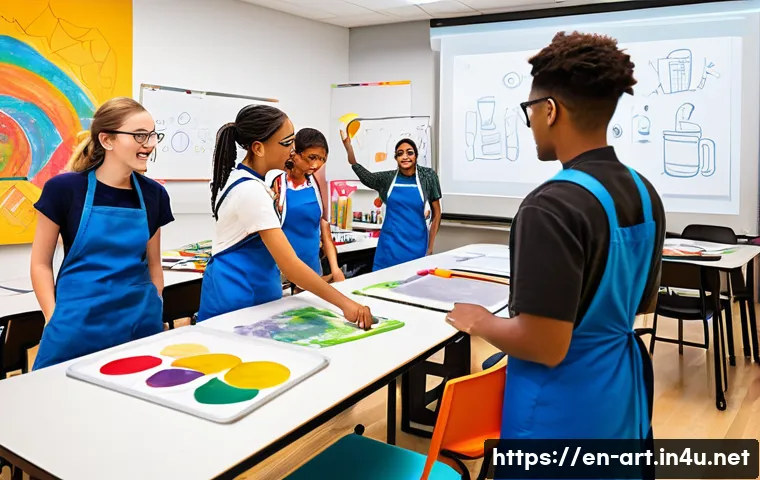
In recent years, flipped learning has transformed the way art classes are conducted, making lessons more interactive and student-centered. Instead of traditional lectures, students explore theory at home through videos or readings, freeing up classroom time for hands-on projects and creative collaboration.
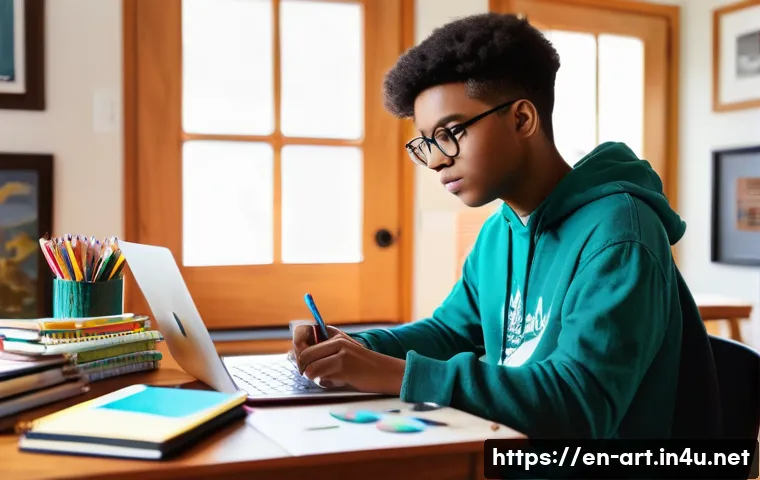
This approach not only boosts engagement but also helps learners develop critical thinking and artistic skills more effectively. From my experience, incorporating flipped learning in art education has led to a deeper understanding and greater enthusiasm among students.
Curious about how this method can reshape your art classes? Let’s dive into the details and see how flipped learning truly works in practice!
Enhancing Student Autonomy Through Pre-Class Exploration
Encouraging Independent Learning with Curated Content
One of the most noticeable shifts when adopting flipped learning in art education is how students take ownership of their learning journey before stepping into the classroom.
Instead of passively receiving information during a lecture, students engage with carefully selected videos, readings, or tutorials at their own pace.
From my experience, this approach encourages deeper curiosity—students often pause, rewind, and reflect on concepts they find challenging or intriguing.
This self-directed exploration fosters a sense of responsibility and confidence, which becomes evident during class discussions and creative tasks.
Tailoring Pre-Class Materials to Diverse Skill Levels
Not every student comes into an art class with the same background or skill set. Flipped learning allows educators to provide differentiated content that caters to various proficiency levels, enabling beginners to grasp fundamental concepts while offering advanced learners more complex challenges.
For example, a beginner might watch a video on basic color theory, whereas a more experienced student might explore the nuances of composition or mixed media techniques.
This flexibility ensures that all students feel supported and motivated, reducing frustration and promoting steady progress.
Building a Foundation for In-Class Creativity
Pre-class preparation through flipped learning lays a solid groundwork that transforms classroom time into a dynamic environment for creativity. When students arrive having already digested the theory, they’re more prepared to experiment, ask insightful questions, and collaborate with peers.
This shift from passive reception to active participation makes the learning process far more engaging. Personally, I’ve observed that students who come prepared with background knowledge tend to take more creative risks, resulting in richer, more innovative artwork that reflects a genuine understanding of the underlying principles.
Maximizing Collaborative Opportunities During Class
Interactive Workshops and Peer Feedback Sessions
Classroom time freed from lectures can be devoted to hands-on activities that promote collaboration and critical thinking. One effective strategy is organizing workshops where students work together on projects, exchange ideas, and provide constructive feedback.
These sessions often spark lively discussions about technique, style, and interpretation, which deepen students’ appreciation for diverse perspectives.
I recall a group project where students collectively designed a mural; the iterative feedback loop not only improved the artwork but also strengthened their communication and teamwork skills.
Facilitating Real-Time Problem Solving
When students encounter technical challenges or creative blocks, the classroom becomes a supportive space to troubleshoot in real time. Flipped learning enables teachers to act as facilitators rather than lecturers, guiding students through problem-solving processes tailored to their immediate needs.
This hands-on guidance encourages experimentation and resilience, qualities essential for artistic growth. In my teaching experience, this approach has helped students overcome frustrations quickly and gain confidence in handling new media or techniques.
Integrating Technology to Enhance Interaction
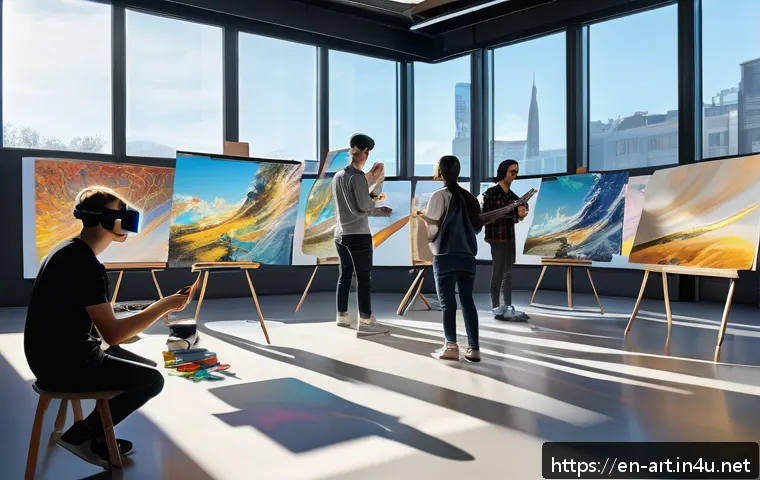
Technology plays a vital role in flipped classrooms, not just for delivering pre-class materials but also for facilitating collaboration during class.
Tools like digital whiteboards, tablets, and shared online portfolios allow students to visualize ideas and track their progress collectively. In particular, digital platforms that support real-time annotation and discussion enable students to critique and refine each other’s work more effectively.
From what I’ve seen, these tech-enabled interactions create a vibrant, interactive atmosphere that energizes the classroom and stimulates creativity.
Developing Critical Thinking and Artistic Judgment
Analyzing Art Through Guided Inquiry
Flipped learning encourages students to engage with art theory and history in a more analytical way. By introducing these topics before class, educators can dedicate in-person time to discussions that challenge students to interpret meaning, context, and technique critically.
This inquiry-based approach fosters higher-order thinking skills, enabling students to articulate their artistic choices with clarity and confidence. In my practice, students who regularly participate in these dialogues develop a more nuanced understanding of art, which reflects in both their critiques and their original creations.
Encouraging Reflective Practice
A key component of artistic growth is reflection, and flipped learning supports this by providing structured opportunities for students to evaluate their work and thought processes.
Whether through journals, peer reviews, or group discussions, reflection helps learners identify strengths and areas for improvement. I’ve noticed that when students routinely reflect on their creative decisions, they become more intentional artists, developing a clearer vision and stronger voice in their work.
Connecting Theory with Practice Through Projects
The seamless integration of theory and practice is one of the greatest benefits of flipped learning in art education. When students come prepared with conceptual knowledge, they can apply it immediately in project-based activities, making abstract ideas tangible.
This connection reinforces learning and helps students internalize artistic principles more deeply. From my experience, projects that bridge theory and hands-on creation lead to more meaningful and lasting learning outcomes.
Measuring Success and Student Engagement
Tracking Participation and Preparation
Assessing how well students engage with pre-class materials is crucial for optimizing flipped learning. Various methods like online quizzes, reflection prompts, or discussion boards can provide insights into students’ preparation levels.
This feedback allows teachers to adjust content or provide additional support where needed. In my classroom, regular check-ins on pre-class work have helped maintain accountability and ensured that students arrive ready to engage meaningfully.
Evaluating Skill Development Over Time
Beyond participation, it’s important to monitor how flipped learning impacts students’ artistic skills and critical thinking. Portfolio assessments and project evaluations offer tangible evidence of growth.
I’ve found that students often demonstrate improved technique, creativity, and conceptual understanding when engaged in a flipped learning environment.
Documenting these improvements helps justify the approach and guides further instructional planning.
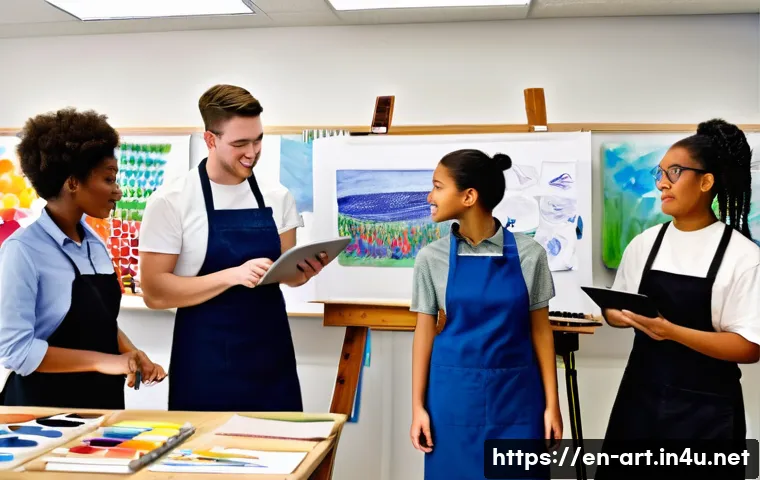
Gathering Student Feedback to Refine Practice
Collecting qualitative feedback from students about their experiences with flipped learning provides valuable insights for continuous improvement. Open-ended surveys or focus groups can reveal what aspects resonate most and where challenges remain.
From the feedback I’ve received, students appreciate the increased agency and hands-on focus but sometimes request more guidance on managing pre-class workload.
Addressing such concerns enhances the overall effectiveness and student satisfaction.
Practical Tools and Resources for Flipped Art Classrooms
Curated Video Libraries and Tutorials
A robust collection of high-quality videos and tutorials is the backbone of effective flipped learning in art education. Platforms like YouTube, Khan Academy, or specialized art education sites offer diverse content ranging from technique demonstrations to art history lectures.
I’ve personally curated playlists tailored to my syllabus, which students find accessible and engaging. The ability to pause and revisit these resources makes them ideal for accommodating different learning speeds.
Interactive Digital Platforms for Assignments
Digital tools such as Google Classroom, Seesaw, or Padlet streamline the distribution of pre-class materials and collection of assignments. These platforms enable seamless communication, timely feedback, and easy access to resources.
In my experience, integrating these tools has enhanced organization and engagement, especially when students can comment on each other’s work or share creative ideas online.
Supplementary Materials to Support Diverse Learners
To ensure inclusivity, providing varied formats like transcripts, infographics, or audio summaries can help students with different learning preferences or accessibility needs.
I’ve noticed that supplementing video content with these alternatives improves comprehension and participation. Thoughtful resource design is key to creating an equitable learning environment where every student can thrive.
Comparing Flipped Learning with Traditional Art Instruction
| Aspect | Traditional Art Classes | Flipped Learning Approach |
|---|---|---|
| Classroom Time Use | Lecture-based theory and demonstration | Hands-on projects and interactive collaboration |
| Student Engagement | Mostly passive listening | Active participation and peer interaction |
| Teacher Role | Information provider | Facilitator and coach |
| Learning Pace | Uniform pace for all students | Self-paced pre-class learning |
| Skill Development | Limited in-class practice | Focused, in-depth creative application |
| Feedback Opportunities | Occasional, often delayed | Real-time peer and teacher feedback |
| Student Autonomy | Low; teacher-driven | High; student-centered |
Overcoming Challenges in Implementing Flipped Learning
Addressing Technology Access and Literacy
One common hurdle is ensuring all students have reliable access to the necessary technology and know how to use it effectively. From my experience, proactive solutions like lending devices, providing offline materials, or offering tech orientation sessions can mitigate these barriers.
It’s important to recognize that not every learner starts on equal footing and to create support systems that promote equity.
Managing Student Accountability and Motivation
Keeping students motivated to complete pre-class work can be tricky, especially when they’re juggling multiple responsibilities. I’ve found that incorporating engaging content, setting clear expectations, and linking pre-class activities directly to in-class projects helps maintain accountability.
Offering incentives or recognition for preparation also boosts motivation and fosters a culture of responsibility.
Balancing Curriculum Demands and Flexibility
Integrating flipped learning requires thoughtful planning to align pre-class materials and in-class activities with curriculum goals and time constraints.
It’s easy to feel overwhelmed at first, but starting small with a few lessons and gradually expanding works well. Based on my experience, collaborating with colleagues and sharing resources can reduce workload and improve implementation quality.
Flexibility and willingness to iterate are key to making flipped learning sustainable and effective.
Conclusion
Flipped learning in art education empowers students to take charge of their learning while fostering creativity and critical thinking. By shifting the focus from passive listening to active participation, it creates a dynamic and engaging classroom environment. This approach not only enhances skill development but also builds confidence and collaboration among students. Embracing flipped learning can truly transform the way art is taught and experienced.
Useful Information to Keep in Mind
1. Pre-class materials should be tailored to accommodate different skill levels, ensuring all students feel supported and challenged.
2. Technology is a powerful tool for both delivering content and facilitating interactive collaboration during class time.
3. Regular reflection and critical discussions help deepen students’ understanding and artistic judgment.
4. Tracking student engagement through quizzes or feedback helps maintain accountability and informs instructional adjustments.
5. Overcoming challenges like technology access and motivation requires proactive planning and flexible strategies.
Key Takeaways
Effective flipped learning hinges on providing accessible, varied pre-class content that sparks curiosity and accommodates diverse learners. Classroom time is best used for hands-on projects, peer collaboration, and real-time problem solving, guided by the teacher as a facilitator. Continuous reflection and feedback deepen artistic skills and critical thinking. Success depends on balancing technology use, student accountability, and curriculum demands while fostering an inclusive and motivating environment. This approach ultimately cultivates autonomy, creativity, and meaningful engagement in art education.
Frequently Asked Questions (FAQ) 📖
Q: How does flipped learning improve student engagement in art classes?
A: Flipped learning shifts the focus from passive listening to active participation. When students study theory at home through videos or readings, they come to class prepared and eager to apply what they’ve learned.
This setup encourages hands-on projects and creative collaboration during class time, making lessons more dynamic and interactive. From my experience, this approach sparks curiosity and keeps students motivated because they’re not just absorbing information—they’re actively creating and experimenting together.
Q: What challenges might teachers face when implementing flipped learning in art education?
A: One common challenge is ensuring all students have access to the necessary technology and resources outside of class, which can sometimes be a hurdle.
Additionally, some students may initially resist the change if they’re used to traditional lectures and need time to adjust to self-directed learning at home.
Teachers also need to carefully design pre-class materials that are engaging and clear to avoid confusion. However, with thoughtful planning and ongoing support, these challenges can be overcome, and the benefits usually outweigh the initial difficulties.
Q: Can flipped learning help develop both technical skills and creativity in art students?
A: Absolutely. By freeing up class time from lectures, flipped learning allows for more hands-on practice where students can experiment with techniques and materials under the guidance of the teacher.
This real-time feedback and collaboration foster both technical mastery and creative thinking. From what I’ve seen, students become more confident trying new approaches and expressing their unique artistic voices because they have more opportunities to explore and reflect during class.