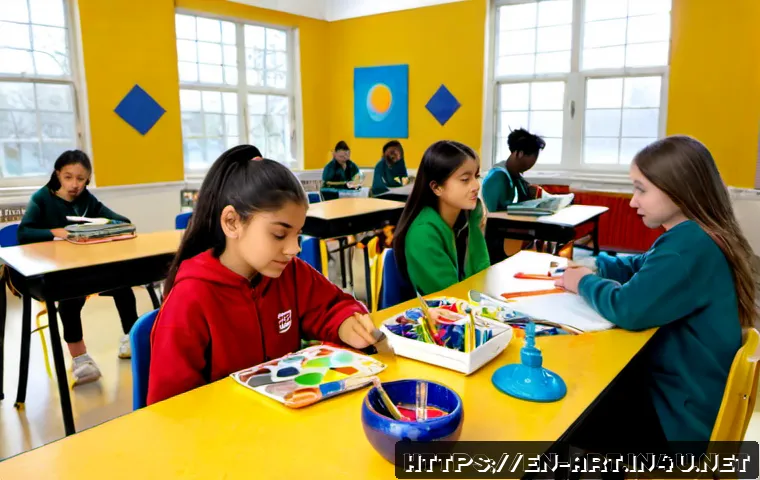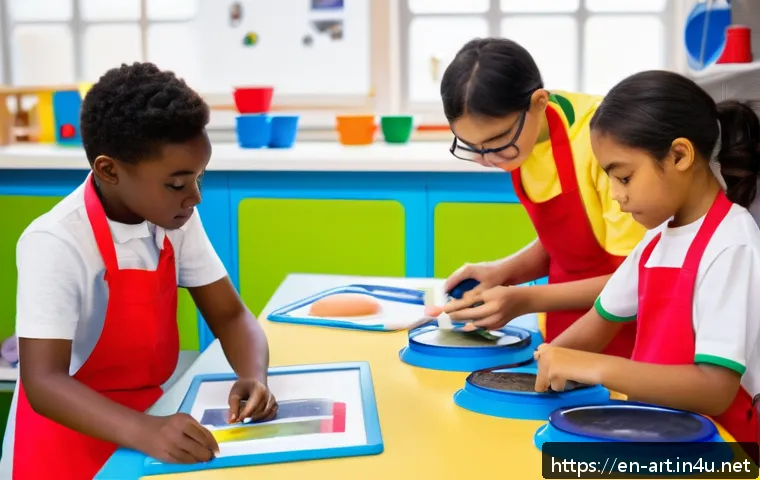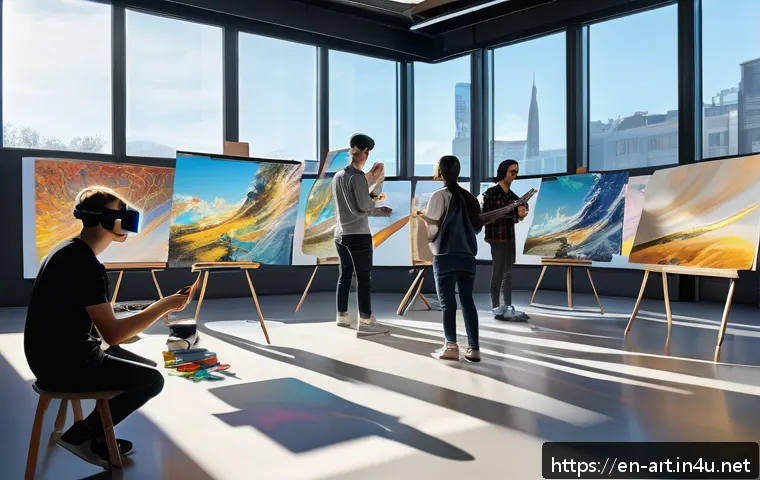
Art has a unique way of connecting with our emotions, often revealing feelings we didn’t even know we had. It goes beyond colors and shapes, tapping into our emotional intelligence—the ability to understand and manage our own emotions as well as empathize with others.
Exploring this intersection can deepen our appreciation of both creativity and human connection. Whether you’re an artist or simply someone who enjoys beautiful things, understanding how art influences emotional intelligence can transform your experience.
Let’s dive in and uncover the fascinating link between art and emotional intelligence together!
How Art Awakens Emotional Awareness
The Subtle Language of Visual Expression
When you look at a painting or sculpture, it’s not just the colors or shapes that grab your attention—it’s the story behind them. Art communicates in a language that goes beyond words, often stirring feelings deep inside us without us even realizing it.
For example, a landscape painting may evoke a sense of calm or nostalgia, while abstract art might spark curiosity or confusion. This nonverbal dialogue helps us tune into our emotions more clearly, making us better at recognizing what we’re feeling in real time.
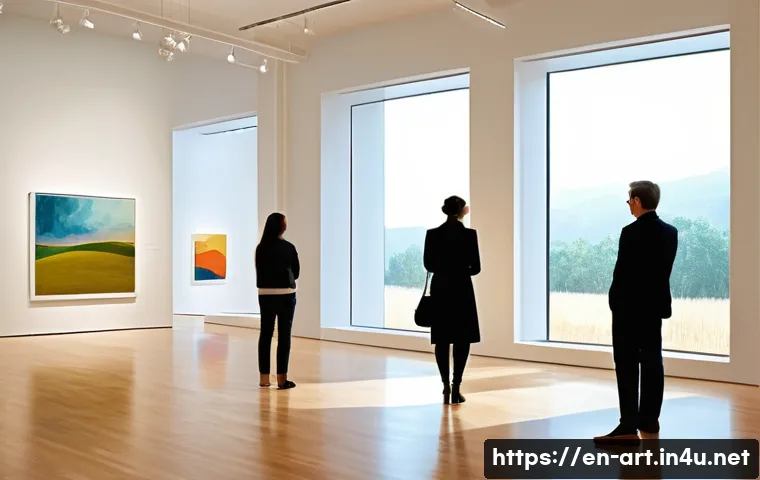
I remember standing in front of a particularly striking canvas in a gallery, and suddenly feeling a wave of bittersweet memories wash over me. That moment made me realize how art can unlock hidden parts of our emotional landscape.
Recognizing Emotions Through Artistic Interaction
Engaging with art requires a kind of emotional mindfulness. You start to notice how certain pieces make you feel joyful, anxious, or even inspired. This process sharpens your ability to identify and name your emotions, which is the cornerstone of emotional intelligence.
I’ve found that when I spend time with art, I become more attuned to subtle shifts in my mood throughout the day. It’s like a practice in emotional self-awareness that spills over into everyday life, helping me navigate social situations with greater ease.
This kind of emotional recognition is critical because it lays the groundwork for managing feelings rather than being overwhelmed by them.
Art as a Mirror for Empathy
Art doesn’t just reveal our own emotions; it also opens doors to understanding others. When you see a piece of art created from someone else’s experience—whether it’s joy, pain, or hope—you get a glimpse into their emotional world.
This empathetic connection is powerful because it encourages us to step outside our own perspective and appreciate different feelings and stories. I’ve noticed that sharing art with friends or family often sparks conversations about how we each interpret emotions differently, deepening our bonds.
This shared emotional journey through art strengthens social connections and builds emotional intelligence by fostering empathy.
Creative Processes That Boost Emotional Flexibility
Expressing Complex Feelings Through Art
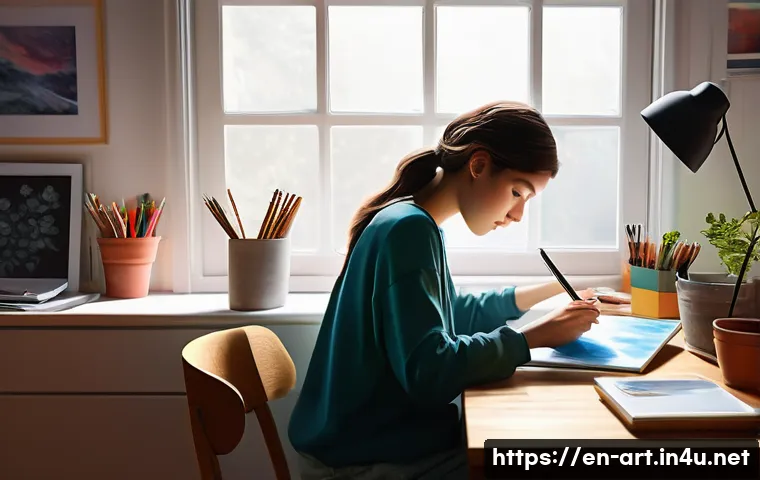
Creating art isn’t just about making something pretty—it’s a way to process complex emotions that might be hard to put into words. When I’ve been stressed or upset, sketching or painting has helped me channel those feelings constructively.
This creative outlet encourages emotional flexibility because it allows you to explore and express emotions in new ways. It’s like giving your feelings a safe space to breathe and transform.
Over time, this practice builds resilience, making it easier to adapt emotionally when life throws curveballs.
Improvisation and Emotional Adaptability
Art often involves improvisation—whether that’s mixing unexpected colors or experimenting with new techniques. This element of spontaneity mirrors emotional adaptability, the ability to respond effectively to changing emotional circumstances.
When you engage in artistic improvisation, you learn to embrace uncertainty and let go of rigid expectations. I’ve found that this mindset carries over into how I handle emotional challenges, allowing me to stay calm and open-minded in tense situations.
It’s a subtle but powerful way that art nurtures emotional intelligence by teaching us to be flexible and present.
Reflecting and Reframing Emotions Through Creation
The act of creating art offers a chance to reflect on your emotions and even reframe them. For instance, transforming feelings of sadness into a vibrant painting can shift your perspective and provide emotional relief.
I remember once turning a difficult experience into a series of drawings, and the process helped me see that pain as part of a larger story rather than a permanent state.
This reframing is a key emotional intelligence skill—it allows you to manage emotions by changing how you interpret them, rather than being controlled by them.
Building Emotional Connections Through Shared Artistic Experiences
Art as a Social Bridge
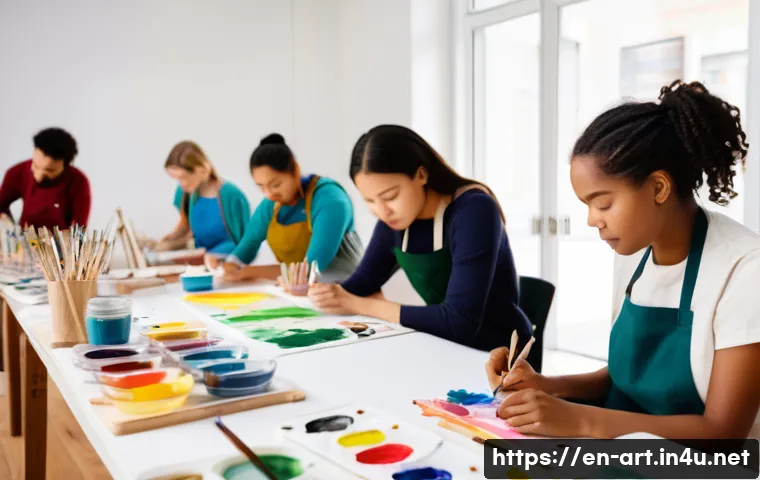
Attending art exhibits, workshops, or community projects can create powerful emotional connections between people. These shared experiences provide a platform for expressing and understanding emotions collectively.
I’ve witnessed how discussing a piece of art with strangers can break down barriers and foster a sense of belonging. This communal aspect of art nurtures social skills like empathy, active listening, and emotional regulation, all of which are vital components of emotional intelligence.
Storytelling and Emotional Exchange
Many art forms—like theater, film, or even poetry—rely on storytelling, which naturally invites emotional exchange. When you listen to or watch a story unfold, you experience the characters’ emotions alongside them.
This immersive experience strengthens your ability to empathize and connect emotionally. Personally, I’ve found that watching emotionally charged performances not only entertains me but also deepens my understanding of diverse emotional experiences, enriching my emotional intelligence in the process.
Collaborative Creativity and Emotional Synergy
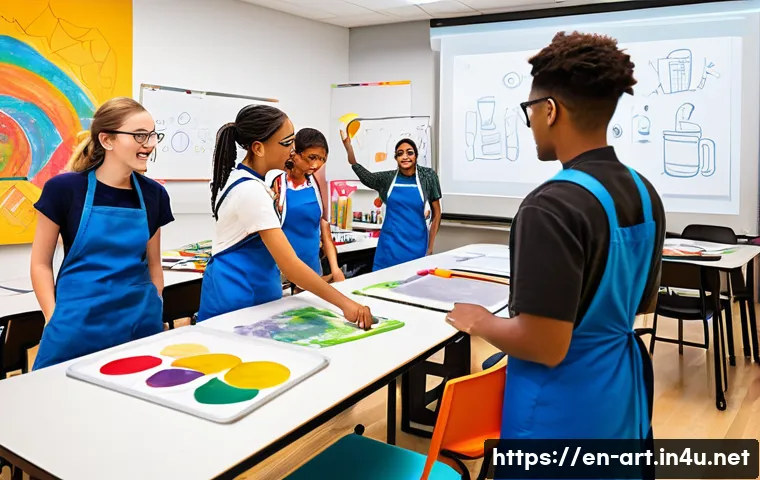
Collaborating on artistic projects requires emotional attunement and communication. When people create together, they must navigate differing feelings and ideas, which builds emotional regulation and interpersonal skills.
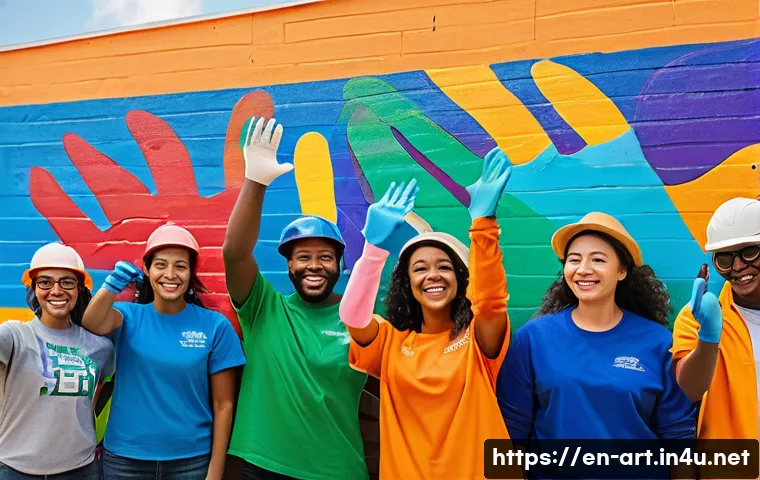
I recall working on a mural with a group where managing our emotions was as important as the artistic vision itself. This collaborative emotional work enhances our capacity to connect, compromise, and celebrate shared achievements, all key aspects of emotional intelligence.
Art’s Role in Emotional Healing and Growth
Art Therapy as a Path to Emotional Well-being
Art therapy uses creative processes to help people heal emotional wounds and develop healthier emotional habits. Through guided artistic expression, individuals can explore trauma, anxiety, or depression in a nonverbal, less intimidating way.
From my experience volunteering in community art therapy sessions, I’ve seen how powerful this approach is—it creates a safe space for emotional release and self-discovery that traditional talk therapy might not always reach.
This healing process strengthens emotional intelligence by fostering self-awareness and emotional regulation.
Transforming Negative Emotions into Positive Growth
Engaging with art can turn negative emotions into opportunities for growth. When you channel frustration or sadness into creativity, it becomes a catalyst for insight and resilience.
I remember feeling overwhelmed during a tough period, but painting gave me a constructive way to process those feelings. Over time, this practice helped me reframe challenges as chances to learn and grow emotionally.
This transformation is a hallmark of emotional intelligence—it’s about using emotions as guides rather than obstacles.
Mindfulness and Emotional Balance Through Artistic Practice
Creating or observing art can be a form of mindfulness, bringing your attention fully into the present moment. This focus helps balance emotional responses by reducing stress and promoting calm.
In my own routine, setting aside time to sketch or simply admire art has become a way to center myself emotionally. This mindful engagement with art nurtures emotional intelligence by enhancing self-regulation and emotional clarity, which are essential for navigating life’s ups and downs.
How Different Art Forms Influence Emotional Responses
Visual Arts and Emotional Stimulation
Paintings, photography, and sculptures engage our visual senses, often evoking immediate emotional reactions. The colors, textures, and compositions can trigger memories or moods that vary widely between individuals.
I’ve noticed that bold colors tend to energize me, while softer palettes create a sense of peace. This visual stimulation works like an emotional catalyst, helping us recognize and process feelings more vividly.
Music’s Power to Shift Emotional States
Music uniquely impacts our emotions through rhythm, melody, and lyrics. It can uplift, soothe, or energize us almost instantly. I often use music to regulate my mood—listening to upbeat tunes when I need motivation or calming melodies to unwind.
This direct influence on emotional states highlights music’s role in developing emotional intelligence by teaching us to harness sound as an emotional tool.
Performing Arts and Empathic Engagement
Dance, theater, and live performances invite us to witness emotional expression in real time. Seeing performers convey joy, sorrow, or tension helps us practice empathy and emotional understanding.
Attending live shows has deepened my appreciation for the complexity of human emotions and improved my ability to connect emotionally with others, enhancing my social intelligence.
Emotional Intelligence Skills Enhanced by Artistic Experiences
Self-Awareness Through Reflective Viewing
Spending time with art encourages self-reflection, which is crucial for self-awareness. I often find myself pondering why a certain artwork resonates with me, uncovering layers of my own emotional experiences.
This introspection sharpens emotional insight and helps me identify feelings that might otherwise go unnoticed.
Emotional Regulation via Creative Outlets
Artistic expression provides a healthy way to manage intense emotions. Whether it’s painting, writing, or playing an instrument, these activities offer a constructive release that prevents emotional overwhelm.
Personally, I’ve turned to journaling and sketching during stressful times, which has helped me maintain emotional balance.
Empathy Development Through Artistic Storytelling
Engaging with stories told through various art forms broadens our emotional perspective. It teaches us to step into other people’s shoes and appreciate different emotional experiences.
This expanded empathy is essential for building meaningful relationships and improving social interactions.
| Art Form | Emotional Impact | Emotional Intelligence Skill |
|---|---|---|
| Visual Arts (Painting, Sculpture) | Stimulates emotional recognition and personal reflection | Self-awareness, Emotional regulation |
| Music | Directly influences mood and emotional states | Emotional regulation, Mood management |
| Performing Arts (Theater, Dance) | Enhances empathy and social connection | Empathy, Social skills |
| Art Therapy | Supports emotional healing and expression | Emotional awareness, Resilience |
In Conclusion
Art has a unique ability to deepen our emotional awareness and enrich our understanding of both ourselves and others. Through engaging with various art forms, we can nurture empathy, emotional flexibility, and healing in ways that everyday experiences often cannot. Embracing art as a tool for emotional growth opens doors to a more mindful and connected life.
Useful Information to Keep in Mind
1. Regular interaction with art can improve your emotional self-awareness by helping you identify and name your feelings more clearly.
2. Participating in creative processes encourages emotional adaptability, allowing you to respond to life’s challenges with greater resilience.
3. Sharing artistic experiences with others fosters empathy and strengthens social bonds through emotional connection.
4. Art therapy offers a supportive environment for emotional healing and developing healthier emotional habits.
5. Different art forms impact emotions uniquely, so exploring a variety of artistic expressions can enhance diverse emotional intelligence skills.
Key Takeaways
Engaging with art is a powerful way to cultivate emotional intelligence by enhancing self-awareness, empathy, and emotional regulation. Whether through creating, observing, or sharing art, this practice promotes emotional growth and resilience. Incorporating art into daily life supports mindful emotional balance and deepens connections with others, making it an invaluable tool for personal and social well-being.
Frequently Asked Questions (FAQ) 📖
Q: How does engaging with art improve emotional intelligence?
A: When you immerse yourself in art, whether by creating or simply observing, it encourages you to recognize and reflect on your own emotions. For instance, a painting might evoke feelings you didn’t expect, prompting you to explore why you feel that way.
This process sharpens your self-awareness, a key part of emotional intelligence. Moreover, understanding the emotions behind an artwork can help you develop empathy, as you start to appreciate the artist’s perspective and the emotions they aimed to express.
From my own experience, spending time with different art forms has made me more attuned to subtle emotional cues in everyday life, enhancing my relationships and communication.
Q: Can anyone develop emotional intelligence through art, even if they aren’t artists?
A: Absolutely! You don’t need to be an artist to benefit from art’s impact on emotional intelligence. Simply observing, discussing, or reflecting on art can open doors to emotional insights.
For example, visiting a museum or listening to a moving piece of music can stir emotions and encourage you to think about why you react the way you do.
This kind of engagement helps build emotional awareness and empathy over time. I’ve noticed that friends who aren’t involved in art professionally often experience moments of clarity or emotional growth just by interacting with creative works, proving that art’s emotional benefits are accessible to everyone.
Q: How can understanding the link between art and emotional intelligence enhance personal growth?
A: Recognizing how art connects with emotions can be a powerful tool for personal development. It encourages you to pause, reflect, and process feelings rather than pushing them aside.
This mindful engagement fosters emotional regulation and resilience, which are crucial for handling life’s challenges. For example, journaling about your reactions to a piece of art can reveal hidden emotions or patterns in your thinking.
From my perspective, integrating art into daily life has been like having a mirror for my inner world—helping me grow emotionally and connect more deeply with others.
This deeper emotional insight often leads to improved decision-making and stronger interpersonal bonds.