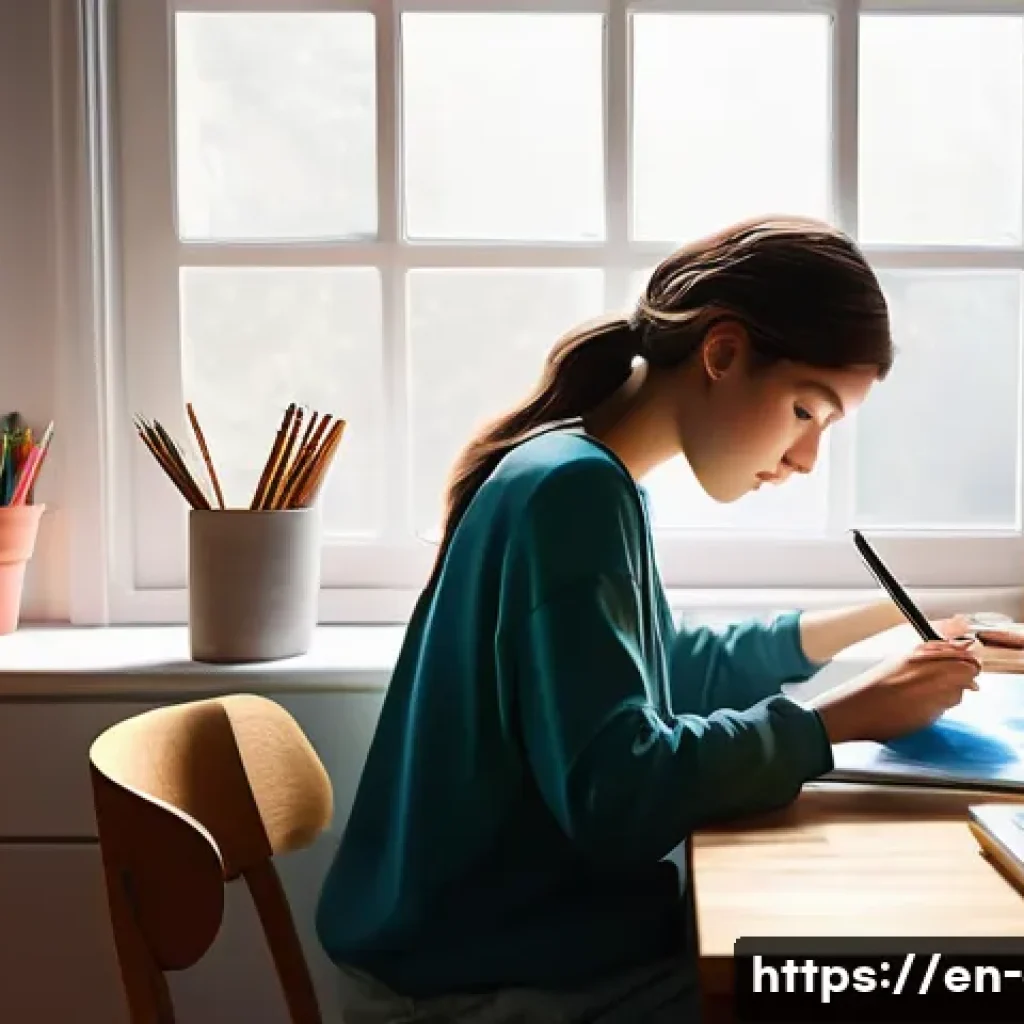
Hey there, fellow art enthusiasts! It’s truly amazing to witness how the world of art is constantly transforming, isn’t it? For so long, we’ve cherished the tactile joy of charcoal on paper or the rich scent of oil paints.
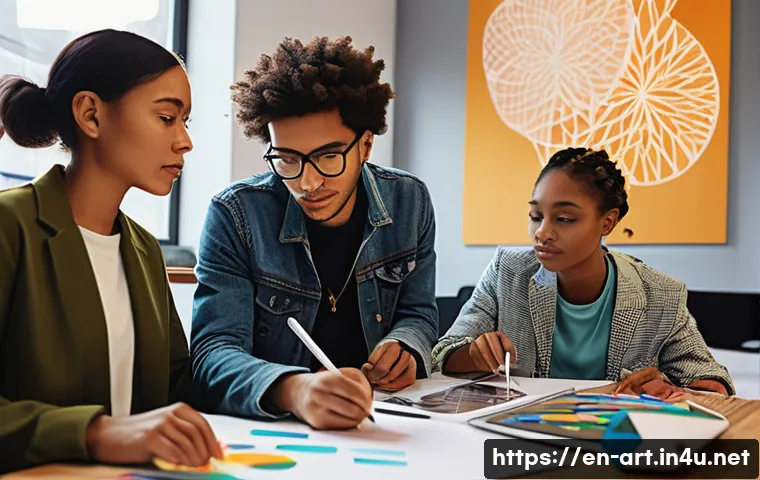
Those traditional foundations are absolutely irreplaceable, providing a grounding that no digital tool can replicate. But let’s be real, the digital revolution has opened up an entirely new universe for creators, especially with digital painting techniques evolving at lightning speed.
It’s not just about swapping brushes for a stylus anymore; we’re talking about a whole new way to envision, create, and share our artistic voices. I’ve personally seen how blending traditional insights with cutting-edge digital tools can unlock incredible creative possibilities that were simply unimaginable a few years ago.
From the surge of accessible software that lets anyone dabble, to the mind-bending advancements in AI that are redefining what it means to create art, it feels like we’re standing on the brink of an artistic renaissance.
Navigating this exciting landscape requires a blend of curiosity, adaptability, and a willingness to explore. It’s an adventure, really, and frankly, I’m thrilled to dive in and discover all the exciting paths ahead.
Let’s explore this in detail!
Embracing the Digital Canvas: A New Era for Artists
For years, the mere mention of “digital art” would sometimes draw a skeptical glance from traditionalists. I’ve heard it all, from “it’s not real art” to “it lacks soul.” But honestly, after diving headfirst into this incredible world myself, I can tell you that those notions couldn’t be further from the truth.
The journey from charcoal dust on my fingertips to the satisfying glide of a stylus across a tablet screen has been nothing short of transformative. It’s not about abandoning our roots; it’s about expanding our toolkit and opening ourselves up to possibilities we never even dreamed of.
The foundational principles of composition, color theory, and perspective remain absolutely vital, but now we have dynamic, flexible ways to bring them to life.
I personally feel that this blend of respecting tradition while embracing innovation is what makes today’s art scene so vibrant. It’s truly empowering to have a vast array of digital brushes that mimic everything from a fine-tipped watercolor to a chunky oil impasto, all without the mess or the need to wait for drying times.
This freedom allows for an unprecedented level of experimentation and iteration, which, for me, has significantly accelerated my learning and creative process.
The Synergy of Old and New Techniques
- When I first started dabbling, I was convinced I had to choose between my beloved oils and digital work. What I quickly realized, though, was that my years of painting traditionally actually gave me a huge advantage in understanding digital mediums. Things like light source, shadow placement, and even how colors interact became intuitive building blocks, making the digital learning curve much smoother than I anticipated.
- I’ve often used digital sketches to plan out complex compositions for physical paintings, saving valuable time and materials. It’s like having an infinite sketchbook and an undo button for all your biggest creative dilemmas. Conversely, the tactile experience of traditional media often inspires digital textures and brushstrokes, creating a beautiful feedback loop that enriches both practices.
- The beauty lies in the cross-pollination. Digital tools aren’t just for creating finished pieces; they’re fantastic for ideation, color studies, and even visualizing how a physical artwork might look in a specific space. It’s an invaluable asset for artists seeking efficiency and expanded creative avenues.
Your Essential Digital Art Toolkit: Beyond the Brush
Stepping into the digital art space can feel a little overwhelming at first, especially with the sheer volume of software and hardware options out there.
I remember staring at endless reviews, wondering if I needed the most expensive tablet or the most complex program to even begin. My advice? Start simple and grow from there.
What really matters is finding tools that feel intuitive and align with your artistic goals. For me, the biggest game-changer wasn’t necessarily the most high-tech gadget, but the software that allowed me to truly express myself without getting bogged down by technicalities.
A good pressure-sensitive stylus and a reliable drawing tablet are your best friends here. You don’t need to break the bank for professional-grade gear right away; there are fantastic entry-level options that offer incredible performance.
Once you get comfortable, you’ll naturally gravitate towards tools that fit your evolving style. It’s a journey of discovery, finding what truly clicks with your creative flow.
Picking the Perfect Software for Your Style
- I’ve experimented with several programs, and each has its unique charm. For beginners, something like Procreate on an iPad or Clip Studio Paint on a desktop offers a fantastic balance of powerful features and user-friendliness. Adobe Photoshop remains an industry standard, of course, but its learning curve can be steep for newcomers.
- Consider what kind of art you want to create. If you’re into character design and comics, Clip Studio Paint might be your champion. For realistic painting and photo manipulation, Photoshop still holds its ground. For on-the-go sketching and vibrant illustrations, Procreate is a dream.
- Don’t be afraid to try out free trials! Many companies offer them, allowing you to get a feel for the interface and brush engines before committing financially. This was crucial for me in figuring out what felt most natural to my workflow.
Hardware That Elevates Your Art
- A quality graphics tablet is non-negotiable. Whether it’s a display tablet where you draw directly on the screen or a pen tablet that connects to your computer, the right feel is paramount. I started with a simple Wacom Intuos and eventually upgraded to a Cintiq, but even the entry-level options offer incredible precision.
- Don’t overlook ergonomic considerations. Spending hours hunched over a tablet can lead to strain. Invest in a comfortable chair and consider a tablet stand to find an optimal drawing angle. Your body will thank you in the long run!
- The iPad Pro with an Apple Pencil has become an incredibly popular choice, and for good reason. Its portability and the seamless integration with apps like Procreate make it a powerhouse for digital artists who are always on the move. I personally find it amazing for sketching ideas while traveling.
Unleashing Your Inner Vision with Digital Brushes and Textures
One of the most exhilarating aspects of digital painting, in my humble opinion, is the sheer infinite array of brushes and textures at your fingertips.
Seriously, it’s like having a bottomless art supply store that keeps adding new, mind-bending tools every single day! When I first started, I was content with the default brushes, but as I ventured deeper, I discovered that custom brushes could completely transform the mood and style of my artwork.
It’s not just about replicating traditional media; it’s about creating effects that are truly unique to the digital realm. I remember spending an entire weekend just downloading and testing brush packs, feeling like a kid in a candy store.
The way a specific texture can add grit to a dystopian cityscape or softness to a portrait is absolutely magical. This flexibility allows for an unprecedented level of detail and character that would be incredibly time-consuming, if not impossible, with traditional methods.
Experimenting with blending modes, opacities, and brush dynamics can unlock truly stunning visual effects, pushing the boundaries of what you thought was possible.
Crafting Your Signature Style with Custom Brushes
- Don’t just stick to the defaults! Many artists share or sell incredible custom brush packs that can instantly elevate your work. I’ve found some amazing sets that mimic everything from gritty charcoal to delicate watercolors, giving my digital pieces a wonderfully organic feel.
- Better yet, learn to make your own! Most digital painting software allows you to create custom brushes from scratch or modify existing ones. This is where you can truly embed your unique artistic fingerprint into your tools, making them perfectly suited to your specific needs and aesthetic.
- Think about the intention behind each stroke. A textured brush can add depth to a landscape, while a smooth, clean brush is perfect for crisp line art. Understanding brush dynamics – how pressure, tilt, and speed affect the stroke – is key to mastering this digital craft.
The Magic of Digital Textures and Overlays
- Textures can breathe life into flat digital paintings. Whether it’s adding a subtle paper grain, a weathered concrete effect, or shimmering cosmic dust, textures provide that extra layer of visual interest that makes an artwork truly pop.
- Experiment with overlay layers. These allow you to blend textures or patterns non-destructively, meaning you can easily adjust or remove them without altering your base artwork. I’ve often used these for adding dramatic lighting effects or subtle atmospheric haze.
- Don’t limit yourself to pre-made textures. You can photograph real-world textures (like rust, wood grain, or fabric) and import them into your software to create incredibly authentic and personalized effects. This blend of real-world observation and digital application is where the magic truly happens.
Connecting and Growing: The Digital Art Community
One of the most enriching aspects of embarking on a digital art journey is the incredibly vibrant and supportive community that surrounds it. Gone are the days of feeling like a solitary artist toiling away in a studio; now, we’re all connected through a global network of creators.
I’ve personally found immense encouragement and inspiration from fellow artists online, whether through bustling forums, lively Discord servers, or engaging social media platforms.
It’s truly amazing to see how readily artists share their processes, offer constructive criticism, and celebrate each other’s successes. This communal spirit fosters a continuous learning environment that simply wasn’t as accessible in the past.
If you’re ever feeling stuck or uninspired, just a quick scroll through an art community can spark a new idea or offer a fresh perspective. I’ve made some wonderful friends and even found mentorship through these online connections, proving that digital art isn’t just about the tools, but about the people who wield them.
Finding Your Tribe: Online Platforms and Forums
- Platforms like ArtStation, DeviantArt, and Instagram are teeming with incredible talent. Spending time exploring these sites isn’t just for inspiration; it’s a fantastic way to discover artists whose styles resonate with yours and to engage with their work.
- Look for dedicated communities on Discord or Facebook Groups. These often provide more intimate spaces for feedback, challenges, and direct interaction with artists who share your specific interests, be it concept art, character illustration, or environmental design.
- Don’t be shy! Participate in critiques, offer supportive comments, and ask questions. I remember how nervous I was to share my early work, but the positive encouragement I received truly motivated me to keep pushing my boundaries.
Learning and Evolving with Digital Resources
- The internet is an absolute treasure trove of tutorials and courses. YouTube channels, Gumroad artists, and online learning platforms like Domestika or Skillshare offer everything from beginner introductions to advanced techniques. I’ve personally invested in several courses that have dramatically improved my understanding of complex topics like anatomy and perspective.
- Many professional artists now offer paid mentorships or Patreon tiers that give you access to exclusive content, personalized feedback, and behind-the-scenes glimpses into their workflow. This kind of direct insight is invaluable for accelerating your artistic growth.
- Always keep an open mind to new techniques and evolving software features. The digital art landscape is constantly changing, and staying curious and adaptable will ensure you continue to grow as an artist.
Monetizing Your Digital Creativity: Beyond Just Selling Prints
Let’s talk about the exciting part: turning your passion into a sustainable income! When I first started out, I honestly thought the only way to make money as an artist was to sell physical prints or original canvases.
While those are still fantastic options, the digital realm has absolutely exploded with opportunities that allow you to monetize your creativity in ways that were practically unimaginable just a decade ago.
It’s not just about selling an end product; it’s about packaging your skills, knowledge, and unique vision in various formats. I’ve personally experimented with a few different avenues, and what I’ve learned is that diversification is key.
Building a strong online presence and understanding where your unique style fits in the market can open doors to incredible financial freedom. The potential for passive income streams and reaching a global audience is truly transformative for artists today.
| Monetization Strategy | Description | Typical Income Model |
|---|---|---|
| Commissions | Creating custom digital artwork for clients (portraits, illustrations, concept art). | Per project/piece, upfront deposit. |
| Digital Products | Selling assets like custom brushes, texture packs, e-books, or tutorials. | One-time purchase, recurring subscription. |
| Print-on-Demand (POD) | Uploading designs to platforms that print them on merchandise (t-shirts, mugs, phone cases). | Royalty per sale. |
| Patreon/Memberships | Offering exclusive content, behind-the-scenes access, or tutorials to paying subscribers. | Monthly subscription. |
| Stock Art | Licensing your digital illustrations, icons, or photos for commercial use on stock sites. | Royalty per download, subscription. |
| Teaching/Workshops | Hosting online classes, webinars, or in-person workshops on digital art techniques. | Course fees, hourly rates. |
Diverse Income Streams for the Digital Artist
- Commissions are often the entry point for many digital artists, and for good reason. They allow you to work directly with clients and build a portfolio while getting paid. My first few commissions were incredibly nerve-wracking, but the satisfaction of bringing someone’s vision to life was immense.
- Don’t underestimate the power of digital products. If you’ve developed a killer set of brushes, a unique color palette, or even a detailed tutorial, you can package and sell these to fellow artists. This is where passive income truly shines!
- Print-on-demand services are a fantastic way to extend your reach without handling inventory or shipping. I’ve loved seeing my designs on everything from phone cases to tote bags, all managed seamlessly by third-party companies.
Building Your Brand and Attracting Clients
- A strong online portfolio is your storefront. Platforms like ArtStation, Behance, or even a personal website are essential for showcasing your best work. Make it easy for potential clients to see your skill and style at a glance.
- Engage with your audience on social media. Share your process, personal insights, and interact with comments. Building a genuine connection can turn followers into clients and advocates for your work.
- Networking, even in the digital space, is crucial. Connect with other artists, illustrators, and potential clients. You never know where your next big opportunity might come from. I’ve found that simply being present and supportive within the community has led to unexpected collaborations and projects.
Navigating the AI Frontier: A Creator’s Perspective
The conversation around Artificial Intelligence in art is, without a doubt, one of the most polarizing and fascinating topics right now. When I first encountered AI-generated art, my initial reaction was a mix of awe and a tiny bit of apprehension, I won’t lie.
It felt like this entirely new entity had burst onto the scene, challenging our very definitions of creativity and authorship. However, as I’ve delved deeper, I’ve come to see AI not as a replacement for human artistry, but rather as an incredibly powerful, albeit complex, tool that can augment and even inspire our creative process.
It’s truly a brave new world, and like any revolutionary technology, it comes with its own set of opportunities and ethical considerations that we, as artists, need to thoughtfully navigate.
I’ve personally experimented with AI art generators to break through creative blocks, using them as a springboard for new ideas rather than a final destination.
AI as a Creative Catalyst, Not a Replacement
- I’ve found AI image generators to be surprisingly effective brainstorming partners. If I’m struggling with a concept for a new piece, inputting a few descriptive prompts can often kickstart ideas I might not have thought of on my own. It’s like having a hyper-efficient mood board creator at your fingertips.
- Consider AI for generating unique textures, intricate patterns, or even experimental color palettes. These elements can then be brought into your digital painting software and refined with your own artistic touch, blending the machine’s efficiency with your human vision.
- The key, for me, is maintaining creative control. AI should serve *you* and your artistic goals, not the other way around. It’s a tool to be wielded with intention, just like a brush or a pencil, ensuring your unique voice remains at the core of the artwork.
The Ethical Landscape and Future of Art
- The ethical debates surrounding AI art—particularly concerning data sourcing, artist rights, and fair compensation—are incredibly important and deserve our full attention. As a community, we need to advocate for transparency and responsible development.
- Understanding the nuances of copyright and ownership in the age of AI is becoming increasingly crucial for every artist. It’s a rapidly evolving legal and ethical space, and staying informed is part of being a contemporary creator.
- Ultimately, I believe human creativity, intention, and emotional depth will always remain irreplaceable. AI can simulate, but it cannot genuinely feel or express the profound human experience that fuels truly impactful art. It challenges us to define what makes our art uniquely human, pushing us to hone our skills and infuse more of ourselves into our work.
The Artist’s Journey: Cultivating Growth and Resilience
Being an artist, especially in the rapidly evolving digital landscape, is a continuous journey of learning, adapting, and sometimes, pushing past frustration.
I’ve certainly had my fair share of moments staring at a blank canvas (or screen, in this case), feeling completely devoid of inspiration. But what I’ve learned is that these moments are just as much a part of the creative process as the exhilarating breakthroughs.
Digital art, with its endless possibilities, can sometimes feel overwhelming, leading to imposter syndrome or the dreaded creative block. However, what has consistently pulled me through is a combination of persistent practice, a willingness to experiment, and a deep, unshakeable belief in the value of my own unique artistic voice.
It’s about cultivating resilience, celebrating small victories, and understanding that every stroke, every mistake, is a step forward. My personal experience has shown me that the true magic of digital art isn’t just in the tools, but in the growth and transformation it inspires within us as creators.
Embracing the Learning Curve and Imperfection
- When I first switched to digital, my initial attempts were, shall we say, less than stellar! The learning curve for new software and techniques felt steep. But I quickly realized that perfection isn’t the goal; consistent practice and a willingness to embrace imperfection are far more valuable.
- Don’t be afraid to make “bad” art. Seriously. Some of my most significant breakthroughs came from experiments that initially looked terrible. Each failed attempt teaches you something new, pushing you closer to understanding what works for your style.
- Set small, achievable goals. Instead of trying to create a masterpiece every day, focus on mastering a new brush, understanding a blending mode, or completing a quick sketch. These small wins build confidence and keep the momentum going.
Fueling Your Inspiration and Avoiding Burnout
- Inspiration can come from anywhere: a walk in nature, a captivating film, a thought-provoking book, or even just observing people around you. I make it a point to regularly step away from my screen and engage with the real world; it always recharges my creative batteries.
- Connecting with other artists, as I mentioned earlier, is a fantastic antidote to burnout. Sharing struggles, celebrating successes, and simply feeling understood by peers can make a huge difference in maintaining your creative energy.
- Remember to take breaks! Staring at a screen for hours on end is exhausting. Schedule regular breaks, stretch, grab a snack, or just step outside for a few minutes. A refreshed mind often sees solutions where a tired one only sees obstacles. This simple act has saved me from countless creative ruts.
Wrapping It Up
And there you have it, fellow creators! What an incredible journey we’ve taken through the dynamic world of digital art. From dispelling those old myths about “real art” to truly embracing the boundless potential of our digital tools, it’s been a fantastic ride. I genuinely hope that sharing my personal experiences and insights has sparked something within you, whether it’s the courage to pick up a stylus for the first time or a renewed passion for exploring new techniques. Remember, at its heart, digital art is about extending your creative reach, not replacing your artistic soul. It’s about leveraging innovation to amplify your unique voice and connect with a global community that’s just as passionate as you are. Keep experimenting, keep learning, and most importantly, keep pouring your heart into every pixel.
Essential Insights for Your Creative Path
1. Master the Fundamentals First, Then Break the Rules: While digital tools offer incredible shortcuts and effects, my biggest takeaway is that a solid grasp of traditional art principles—like composition, color theory, and anatomy—will elevate your digital work significantly. It’s like building a strong foundation before adding all the fancy decor. I often revisit classic art books or traditional sketching exercises, and I find that this deeply enriches my digital output. Don’t rush into complex techniques if the basics feel shaky; consistent deliberate practice in foundational skills pays dividends.
2. Your Digital Toolkit Doesn’t Need to Break the Bank: Seriously, resist the urge to buy the most expensive gear right out of the gate! I started with a very modest tablet, and it served me well for years. Focus on understanding the core functionalities of a good pressure-sensitive tablet and reliable software (like Procreate or Clip Studio Paint), and then upgrade as your skills and needs evolve. It’s not the price tag of your tools that makes great art, but how you wield them and the vision you bring to the table.
3. Leverage the Power of Layers (Your Digital Undo Button): If there’s one digital feature that truly transformed my workflow, it’s layers. They are an absolute game-changer, allowing you to build up your artwork non-destructively, experiment freely, and make edits without fear of ruining your entire piece. I can’t tell you how many times a well-organized layer structure has saved me hours of frustration. Think of it as painting on multiple transparent sheets, giving you unparalleled control and flexibility over every element of your composition.
4. Actively Engage with the Digital Art Community: Don’t try to go it alone! The digital art community is one of the most welcoming and inspiring spaces I’ve ever encountered. Whether it’s sharing your work on platforms like ArtStation or Instagram, joining Discord groups for feedback, or diving into online tutorials, actively connecting with others will fuel your growth. I’ve found invaluable mentorship and friendships through these connections, and the collective encouragement truly keeps the creative fire burning.
5. Embrace the AI Frontier with a Creative, Ethical Mindset: The rise of AI in art is undeniably a hot topic, sparking both excitement and concern. My personal approach is to view AI as another powerful tool in my arsenal—a creative catalyst for brainstorming and generating ideas, rather than a replacement for human intuition. However, it’s crucial to stay informed about the ethical considerations, such as data sourcing and copyright. Use AI to augment your vision, letting your unique human touch be the ultimate author of your work.
Your Digital Art Journey: Key Takeaways
As we close this chapter on the exciting world of digital art, I want to reiterate that your artistic journey is uniquely yours, constantly evolving with every stroke and every new discovery. Embrace the learning curve, knowing that every “mistake” is just a stepping stone to a breakthrough. Remember that connecting with a supportive community can provide invaluable inspiration and feedback, helping you overcome creative blocks and stay motivated. Explore the diverse monetization strategies available, because your passion can absolutely become a sustainable career. Most importantly, as technology advances, continue to nurture your distinct human creativity, letting it shine through in everything you create. The digital canvas is vast, and your potential is limitless. Keep creating, keep sharing, and always believe in the power of your art to inspire and connect.
Frequently Asked Questions (FAQ) 📖
Q: Is it really possible to combine traditional art skills with digital tools effectively, or will one always overshadow the other?
A: Oh, absolutely! And let me tell you, this is a question I get asked all the time. For a long while, I wrestled with this myself, feeling like I had to pick a side.
But from my personal journey, and from seeing countless artists thrive, I can confidently say that not only is it possible to blend traditional and digital effectively, but it’s often where the magic truly happens!
Think of it this way: your foundational understanding of light, shadow, color theory, and composition, honed through years of charcoal sketches or oil paintings, gives you an incredible superpower.
Digital tools don’t replace that; they enhance it. I’ve found myself sketching out ideas with a real pencil in my notebook, feeling the texture of the paper, letting the raw energy flow.
Then, I’ll snap a photo, bring it into my digital workspace, and use the precision and versatility of a stylus and software to refine, experiment with colors I might not have readily on hand, or even seamlessly correct mistakes without starting over.
It’s like having an infinite palette and an undo button for life! This hybrid approach lets you keep that irreplaceable tactile connection while opening up a world of experimentation and efficiency.
You can maintain the soul of traditional art while embracing the speed and flexibility of digital. It’s not about one overshadowing the other; it’s about both working in harmony, creating something truly unique that might not have been possible otherwise.
I genuinely believe it empowers us to push our creative boundaries further than ever before.
Q: With
A: I generating so much art these days, how can human artists stay relevant and authentic? A2: This is such a crucial and frankly, sometimes a little scary, question that’s on everyone’s minds right now.
When I first started seeing what AI could do, I’ll admit, there was a pang of “what does this mean for us?” But after diving deep and really observing the landscape, my perspective has shifted dramatically.
Our relevance, as human artists, isn’t threatened; it’s being redefined and, dare I say, amplified. AI is an incredible tool, a powerful synthesizer of data and styles, but it lacks one fundamental thing: a soul.
What makes your art truly special, what makes my art connect with people, is the lived experience, the raw emotion, the unique perspective that only a human can bring.
AI can mimic a style, but it can’t tell the story of a rainy Tuesday morning that inspired a particular shade of blue, or the heartbreak behind a brushstroke, or the sheer joy of a creative breakthrough after hours of struggle.
Those are the nuances, the humanity, that resonate deeply with an audience. My advice? Lean into what makes you undeniably you.
Share your process, your struggles, your triumphs. Tell your stories. Develop your unique voice and perspective.
Use AI as a collaborator, perhaps for quick ideation or to explore variations, but never let it dictate your core message or steal your unique spark. Authenticity isn’t just about what you create; it’s about why and how you create it, and that’s something no algorithm can replicate.
Keep pouring your heart into your work, because that’s something truly priceless.
Q: For someone just starting their digital art journey, what’s the best way to get going without getting overwhelmed by all the choices out there?
A: Oh, I totally get this feeling! When I first dipped my toes into digital art, the sheer volume of software, hardware, and tutorials out there felt like trying to drink from a firehose.
It can be super daunting! The absolute best advice I can give you, from my own trials and errors, is to start simple and focus on the fundamentals. Don’t feel pressured to buy the most expensive tablet or subscribe to every fancy software right out of the gate.
For hardware, a decent pen tablet (like a Wacom Intuos or similar budget-friendly brand) is a fantastic starting point. You don’t need a screen tablet to begin with.
For software, many powerful programs offer free trials, and some excellent ones are even completely free! Krita is an amazing, robust free option that I often recommend, or you could explore the free brushes and basic functions in Clip Studio Paint’s trial, or even just practice drawing in a simple photo editor you already have.
The key is to pick one tool, get comfortable with it, and focus on fundamental drawing principles: line, shape, value, and perspective. Don’t chase every new feature or brush pack initially.
Once you understand how to draw digitally, you can then gradually explore more complex tools as your needs and confidence grow. Remember, it’s a journey, not a race.
Give yourself permission to experiment, make “ugly” art, and most importantly, have fun with it! That’s how you build a lasting, joyful creative practice.