Hey fellow creatives! Ever felt that little pang of anxiety when someone asks, “What are you going to *do* with an art degree?” I totally get it. For a long time, the career path for art majors seemed pretty narrow, but trust me, the landscape is evolving at lightning speed.
Your unique skills are more valuable than you might think in today’s dynamic job market, especially with technology opening up so many new avenues. Ready to uncover some truly exciting possibilities?
Let’s dive in and explore them together.
Beyond the Easel: Digital Frontiers for Artists

Remember those days in art school when everyone seemed to be talking about painting, sculpting, or drawing? It felt like the digital world was this separate, niche thing. But oh, how times have changed! I distinctly recall the first time I realized my traditional drawing skills could directly translate into a digital realm – it was like a lightbulb went off. Suddenly, the endless possibilities of Photoshop and Illustrator weren’t just for graphic designers; they were powerful extensions of my own creative toolkit. The demand for visual content in our increasingly online world means that artists who can wield digital tools are not just sought after, they’re essential. This shift isn’t about abandoning traditional art; it’s about expanding its reach and impact, embracing new mediums that allow our creativity to flourish in ways we never imagined. It truly feels like the wild west of art, full of exciting new opportunities if you’re willing to explore.
The Canvas is Now a Screen: Digital Illustration & Concept Art
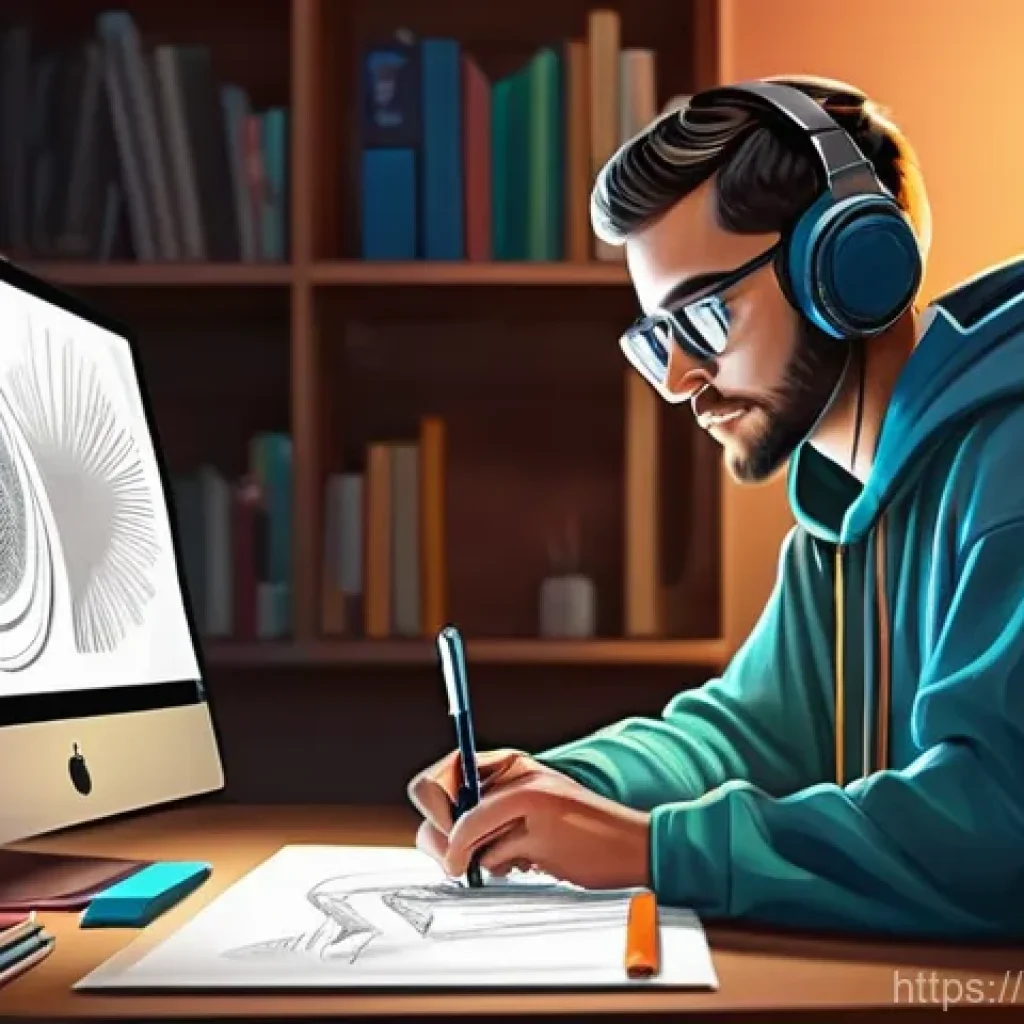
For those of us who love to draw, sketch, and bring characters or scenes to life, digital illustration and concept art are incredibly fulfilling paths. I’ve personally spent countless hours refining character designs on my tablet, realizing how much faster and more flexible the process is compared to traditional media, especially when working on client projects with tight deadlines. Think about the stunning visuals in your favorite video games, animated movies, or even advertisements. All of that starts with concept artists and digital illustrators who lay the groundwork. They design worlds, characters, props, and environments, often working closely with creative directors and animators. The best part? Your unique artistic style isn’t just tolerated; it’s celebrated. Companies are always on the lookout for fresh perspectives, and if you can articulate your vision digitally, you’re golden.
Shaping Online Worlds: Web & UI/UX Design
Now, this might sound a bit far removed from “art,” but trust me, it’s not! Web design and UI/UX (User Interface/User Experience) design are deeply rooted in artistic principles. When I first delved into UI/UX, I was surprised to find how much my understanding of composition, color theory, and visual hierarchy directly applied. It’s all about creating intuitive, aesthetically pleasing, and effective digital spaces. You’re not just making something look pretty; you’re making it functional and enjoyable for the user, which is a highly creative endeavor. Imagine designing a new app or website where every button, every layout, every interaction feels seamless and natural. That’s the power of good UI/UX. It’s problem-solving through design, and it’s a rapidly growing field with incredible demand for creative thinkers who understand both art and human behavior.
Crafting Connections: The Power of Visual Storytelling
There’s something inherently human about stories, isn’t there? And as artists, we’ve got this incredible superpower: the ability to tell those stories without saying a single word. I remember vividly the goosebumps I got watching a perfectly cut movie trailer or seeing a photograph that just *spoke* to me. That’s visual storytelling, and it’s a skill that’s in hot demand across so many industries. It’s not just about making pretty pictures; it’s about evoking emotions, conveying messages, and creating an impact. Our artistic training gives us an innate understanding of composition, light, and how to guide the viewer’s eye, making us uniquely suited to this exciting space. This isn’t just a job; it’s about connecting with people on a deeper level, something truly special.
Frame by Frame: Animation and Motion Graphics
If you’ve ever found yourself lost in an animated film or captivated by an explainer video online, you’ve experienced the magic of animation and motion graphics. This field is pure creative joy for many artists. I’ve personally experimented with motion graphics for my own branding, and the way simple shapes and colors can come alive to tell a story is just incredible. It requires a keen eye for movement, timing, and visual flow – all things we learn as art students. From character animation in feature films to dynamic logos for major brands, the opportunities are vast. You could be working on anything from a blockbuster movie to a compelling commercial, or even creating educational content that makes complex ideas easy to grasp. The tools are more accessible than ever, and a strong portfolio showcasing your understanding of narrative movement can open so many doors.
Branding Brilliance: Visual Identity & Marketing
Every successful company, product, or even person has a strong brand, and at the heart of that brand is visual identity. This is where artists truly shine. Think about the iconic logos, the distinctive color palettes, the typefaces that instantly communicate a company’s personality. That’s an artist’s touch! My own journey into freelancing made me realize how crucial a strong visual brand is. I felt a real sense of accomplishment when I designed my own logo and brand guidelines; it felt like giving my creative voice a solid foundation. Marketing agencies and in-house creative teams constantly need artists who can translate brand values into compelling visuals – brochures, social media graphics, advertisements, and more. It’s about creating a cohesive visual language that resonates with an audience and leaves a lasting impression.
Designing Experiences: Where Art Meets User Needs
Here’s a secret that many outside the art world don’t realize: design, at its core, is problem-solving. And who better to solve visual problems than someone trained in art? I used to think design was a completely separate discipline, but the more I explored, the more I saw the undeniable overlap. Our ability to think creatively, to visualize solutions, and to understand aesthetics makes us incredibly valuable in fields focused on creating seamless and intuitive experiences for people. It’s not just about making something look good; it’s about making it *feel* right and *work* effortlessly. This human-centered approach is where artistic intuition truly shines.
Intuitive Interfaces: The Art of User Experience
You know that feeling when you pick up a new device or open an app, and it just *makes sense*? That’s good UX design. And guess what? Artists are perfectly poised to excel here. UX designers focus on how users interact with products, whether they’re websites, apps, or even physical devices. They map out user journeys, create wireframes, and design prototypes, always with the end-user in mind. My personal experience dabbling in app interface concepts showed me how a subtle shift in color or button placement, guided by aesthetic principles, could dramatically improve a user’s interaction. It’s a blend of psychology, data, and, of course, art. Companies like Apple, Google, and countless startups are constantly seeking individuals who can merge beautiful aesthetics with intuitive functionality to create truly exceptional digital products.
Form Meets Function: Product & Industrial Design
Beyond the digital realm, art majors can thrive in product and industrial design. This is where art truly comes into contact with the physical world we inhabit. Think about the sleek lines of a modern car, the ergonomic comfort of a chair, or the ingenious simplicity of a new kitchen gadget. These aren’t just engineered; they’re *designed*. Industrial designers consider aesthetics, materials, user interaction, and manufacturability to create tangible products that are both beautiful and practical. My art background gave me such an appreciation for form, texture, and how objects feel in the hand. It’s about sculpting something that not only looks appealing but also solves a real-world need, enhancing our daily lives in subtle yet profound ways.
Bringing Worlds to Life: Art in Entertainment
If you’re anything like me, you grew up enchanted by the worlds created in movies, video games, and comic books. There’s a special kind of magic in seeing an artist’s imagination take shape on screen or in print. For a long time, it felt like a distant dream, a realm only accessible to a select few. But with the explosion of digital tools and independent creators, the entertainment industry is more open than ever to fresh, artistic talent. This isn’t just about drawing; it’s about world-building, character development, and creating visual narratives that transport audiences to other realities. It’s a field where passion for storytelling truly meets artistic skill.
Gaming Glory: Concept Art and 3D Modeling
Confession time: I’m a huge gamer. And honestly, a massive part of what draws me into a new game is the art style. The environments, the character designs, the weapons – it all starts with concept artists who dream up these incredible worlds. Then, 3D modelers bring those concepts to life, sculpting and texturing every detail. It’s a highly collaborative process, and an art degree gives you an edge in understanding visual communication and aesthetic consistency. I’ve even tried my hand at some basic 3D modeling, and the satisfaction of seeing a character you designed rotate in a virtual space is just unparalleled. The gaming industry is booming, always hungry for artists who can contribute to immersive and visually stunning experiences.
Silver Screen Magic: Visual Effects and Production Design
Ever wonder how they make dragons fly, or cities crumble, or create those breathtaking fantastical landscapes in movies? That’s the magic of visual effects (VFX) and production design, and it’s deeply rooted in artistic talent. Production designers craft the overall visual aesthetic of a film, from sets to costumes, while VFX artists bring impossible scenarios to life through digital wizardry. My painting classes actually gave me a strong foundation for understanding light, shadow, and texture – crucial elements for creating believable digital effects. Working on a film set or in a VFX studio means being part of a team that creates truly iconic cinematic moments, contributing your unique artistic vision to stories that captivate millions.
Curating Culture: Art’s Role in Modern Society
Art isn’t just about personal expression; it’s a vital part of our culture, reflecting our values, challenging our perceptions, and shaping our understanding of the world. For those of us who feel a deep connection to history, community, and the broader impact of creativity, there are incredible pathways that allow us to nurture and share art beyond creating it ourselves. I’ve always found immense joy in exploring galleries and learning about different artistic movements, and realizing that there are professional roles dedicated to preserving and presenting this beauty was truly inspiring. It’s about being a steward of creativity, ensuring that art continues to enrich lives for generations to come.
Preserving Beauty: Museum and Gallery Curation
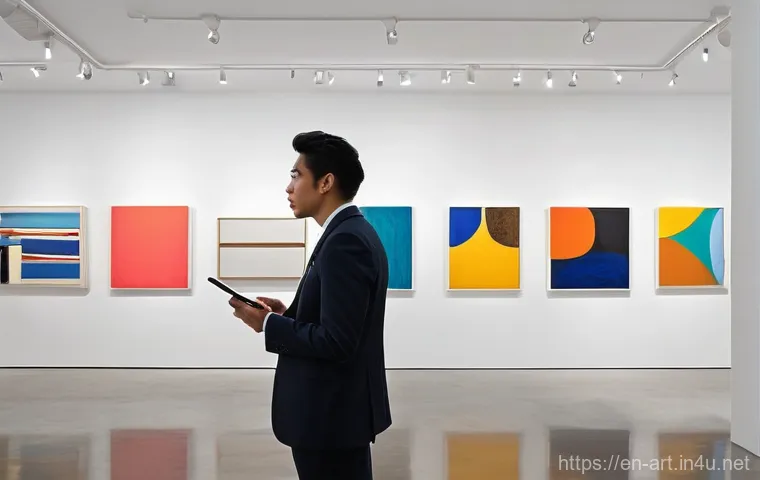
If you love art history, research, and the thrill of discovering hidden gems, a career in museum or gallery curation might be your calling. Curators are the storytellers of the art world, responsible for selecting, organizing, and interpreting art collections for the public. They research artists, write exhibition texts, and ensure the proper care and display of precious artworks. My art history courses, which felt a bit abstract at times, really come alive in this context. It’s about understanding the context, significance, and impact of each piece. Imagine shaping the narrative of an entire exhibition, guiding visitors through a thought-provoking journey. It’s a role that demands both deep artistic knowledge and excellent communication skills.
Healing Through Hues: Art Therapy and Community Programs
Beyond the aesthetic, art has a profound power to heal and connect. This is something I’ve seen firsthand in community art projects, where people from all walks of life find solace and expression through creative endeavors. Art therapy is a truly noble profession where artists use creative processes to help individuals explore emotions, reduce anxiety, and improve self-esteem. It requires further specialized training, but an art degree provides an excellent foundation in understanding artistic mediums and their psychological impact. Additionally, many non-profits and community organizations rely on artists to design and lead workshops, fostering creativity and connection within various groups. It’s a chance to use your artistic gifts to make a tangible, positive difference in people’s lives.
The Entrepreneurial Spirit: Art as Your Own Business
You know, for a long time, the idea of being a “starving artist” felt like an unavoidable destiny. But let me tell you, that narrative is completely outdated! In today’s interconnected world, an art degree can absolutely be the launchpad for a thriving, independent business. I’ve personally experienced the freedom and satisfaction of selling my own prints and taking on commissions; there’s nothing quite like seeing someone connect with something you’ve poured your heart into. The internet has democratized the art market, giving us direct access to audiences and customers globally. It’s about harnessing your creative talents and pairing them with a bit of business savvy, turning your passion into a sustainable livelihood. It’s scary sometimes, sure, but the rewards of building something entirely your own are immense.
Your Art, Your Business: Freelancing and E-commerce
This is where many artists find their sweet spot. Freelancing allows you to be your own boss, taking on projects that genuinely excite you, whether it’s custom illustrations, graphic design work, or commissioned paintings. Platforms like Etsy, Shopify, and even Instagram have made it incredibly easy to set up your own online store and sell your original artwork, prints, or merchandise directly to consumers. I’ve spent hours optimizing my product listings and interacting with customers, realizing that building a personal brand is just as creative as making the art itself. It requires discipline and a willingness to learn about marketing and sales, but the potential for creative and financial independence is huge. You set your prices, manage your schedule, and control your creative direction.
Sharing Your Spark: Online Courses and Workshops
One of the most rewarding ways I’ve found to monetize my art skills and build a community is by teaching others. If you have a specific artistic skill – whether it’s watercolor painting, digital drawing, or even creative journaling – there’s an audience eager to learn. Platforms like Skillshare, Teachable, or even your own website can host online courses and workshops. I was genuinely surprised by how many people were interested in learning a particular technique I’d developed, and the joy of sharing that knowledge was incredible. Not only does it provide a reliable income stream, but it also solidifies your expertise and builds your reputation within the artistic community. It’s about leveraging what you know and love to inspire others and create a sustainable business model.
The world of art careers is so much broader and more dynamic than it used to be. Don’t let anyone tell you an art degree isn’t practical. It’s a foundation for creative problem-solving, visual communication, and innovative thinking – skills that are absolutely essential in today’s rapidly evolving job market. So go forth, explore, and sculpt your own unique path!
| Career Path | Key Skills from Art Degree | Potential Industries | Average Salary Range (USD, per year) |
|---|---|---|---|
| Digital Illustrator/Concept Artist | Drawing, composition, color theory, digital tools (Photoshop, Procreate) | Gaming, Animation, Publishing, Marketing, Film | $50,000 – $90,000+ |
| UI/UX Designer | Visual hierarchy, aesthetics, problem-solving, user empathy, wireframing | Tech, E-commerce, Software Development, Web Design Agencies | $70,000 – $120,000+ |
| Motion Graphics Designer | Animation principles, storytelling, video editing, software (After Effects) | Advertising, Film/TV, Marketing, Corporate Communications | $60,000 – $100,000+ |
| Brand Identity Designer | Logo design, typography, color theory, brand strategy, communication | Marketing Agencies, In-house Creative Teams, Freelance | $55,000 – $95,000+ |
| Art Curator/Archivist | Art history, research, conservation, exhibition design, critical analysis | Museums, Art Galleries, Historical Societies, Cultural Institutions | $45,000 – $80,000+ |
| Freelance Artist/Entrepreneur | Art creation, marketing, business acumen, self-management, e-commerce | Self-employed, Online Marketplaces (Etsy, Shopify) | Varies greatly ($30,000 – $150,000+) |
Concluding Thoughts
Wow, what a journey we’ve been on together, exploring the incredible breadth of opportunities for artists today! It truly warms my heart to think about how much the landscape has evolved since I first dipped my toes into the art world.
No longer is an art degree a one-way ticket to a “starving artist” stereotype; it’s a vibrant passport to innovation, problem-solving, and a deeply fulfilling career.
I’ve personally seen and experienced how embracing new digital tools and a business-savvy mindset can transform your passion into a thriving profession.
Remember, your unique perspective and artistic voice are your greatest assets, so don’t be afraid to experiment, learn, and sculpt a career path that truly resonates with your soul.
The future of art is in your hands, and it’s looking brighter than ever!
Useful Information to Know
1.
Embrace Lifelong Learning and Digital Fluency: The art world is constantly evolving, especially with rapid advancements in technology. I’ve personally found that staying curious and continuously picking up new skills, particularly in digital software like Adobe Creative Suite, Blender, or Procreate, has been a game-changer for my career. It’s not just about knowing how to draw or paint; it’s about being adaptable and fluent in the tools that industries now demand. Think about investing time in online courses, workshops, or even free tutorials on YouTube. Learning a new 3D modeling program or animation software can unlock entirely new avenues for your creativity and significantly boost your marketability. The beauty of it is that many fundamental artistic principles translate seamlessly, so you’re really just expanding your toolbox, not starting from scratch.
2.
Cultivate Your Network and Community: This is something I cannot stress enough – your connections are invaluable. In my own experience, some of the most exciting projects and collaborations have come from people I met through online art communities, local gallery openings, or even just social media interactions. Actively engage with other artists, designers, and creative professionals. Join online forums, attend virtual and in-person events, and don’t be shy about reaching out to people whose work you admire. Remember, networking isn’t just about finding jobs; it’s about building a supportive community, exchanging ideas, and growing together. You never know when a casual conversation might spark your next big idea or lead to a fantastic opportunity, so keep those connections warm!
3.
Develop a Strategic and Diverse Portfolio: Your portfolio is your visual resume, and it needs to tell a compelling story about who you are as an artist and what you can do. When I first started, my portfolio was a bit all over the place, but over time, I learned the importance of curating it strategically. Showcase a range of your best work, highlight your versatility across different mediums or styles, and tailor it to the specific jobs or clients you’re targeting. Include personal projects that demonstrate your passion and unique vision, alongside any client work that shows your ability to deliver professionally. Regularly update it, get feedback from trusted peers, and consider creating a professional online presence like a dedicated website or a strong Behance profile to make it easily accessible to potential employers or collaborators.
4.
Understand the Business Side of Art: While our passion is creating, the reality is that to make a living from art, you need to have a grasp of business fundamentals. This was a steep learning curve for me, but absolutely essential. Learn about pricing your work fairly, drafting clear contracts, managing your finances, and understanding basic marketing principles. Don’t be afraid to research industry standards for rates, whether you’re freelancing or seeking employment. Platforms like Instagram, Pinterest, and even a well-maintained blog can be powerful tools for promoting your work and building your brand. Thinking like an entrepreneur, even if you plan to work for a company, will give you a significant edge in understanding project scope, client expectations, and the value of your own time and talent.
5.
Build a Strong Personal Brand and Online Presence: In today’s digital age, your personal brand is almost as important as your portfolio. It’s about more than just a logo; it’s the consistent message, style, and personality that you convey across all your online platforms. I’ve found that sharing glimpses of my process, my inspirations, and even my artistic struggles on social media not only connects me with my audience on a deeper level but also builds trust and authenticity. A professional website that serves as your central hub, showcasing your work, services, and contact information, is non-negotiable. Think about what makes your art and your approach unique, and consistently communicate that. This helps you stand out in a crowded market and attracts the right kind of opportunities that align with your artistic vision and values.
Key Takeaways
The overarching message I truly hope you carry with you from this post is that an art degree is incredibly powerful and versatile in our modern world.
It’s not just about mastering a craft; it’s about developing critical thinking, visual communication, and creative problem-solving skills that are in high demand across countless industries.
From the digital canvases of concept art and UI/UX design to the entrepreneurial thrill of running your own art business, the pathways are diverse and exciting.
Embrace technology, actively build your network, meticulously curate your portfolio, and never shy away from learning the business acumen needed to thrive.
Your artistic journey is uniquely yours, so go forth with confidence and continue to create, innovate, and inspire!
Frequently Asked Questions (FAQ) 📖
Q: What are some unexpected career paths for art majors in today’s digital world?
A: Oh, absolutely! This is probably one of the most common questions I get, and honestly, the answer just keeps getting more exciting. Gone are the days when “artist” meant strictly gallery shows (though those are still fabulous!).
I’ve seen firsthand how our unique blend of creativity, problem-solving, and visual communication is becoming indispensable in fields you might not expect.
Think about User Experience (UX) and User Interface (UI) design – who better to create intuitive, aesthetically pleasing digital products than someone trained in visual harmony and human-centered design?
My friend, who studied sculpture, actually pivoted into environmental graphics for large corporations, designing everything from wayfinding systems to immersive brand experiences.
Then there’s content creation for social media and marketing; businesses are desperate for compelling visuals and storytelling, and that’s our bread and butter.
Even in the gaming industry, beyond character design, concept artists and even art historians are finding roles shaping entire virtual worlds and narratives.
It’s all about translating your artistic sensibility into a language businesses understand: innovation, engagement, and connection.
Q: How can I make my art degree stand out in a competitive job market?
A: This is where you really need to get strategic! Believe me, just having the degree isn’t enough anymore, but it’s an incredible foundation. From my experience, the secret sauce is practical application and adaptability.
Firstly, build an impeccable online portfolio. And I mean impeccable. It’s your visual resume, showcasing not just your best work, but also the process behind it.
Employers want to see how you think. Secondly, embrace interdisciplinary skills. Take a coding boot camp, learn motion graphics software, dive into digital marketing analytics, or even get certified in project management.
These skills, layered on top of your artistic foundation, make you incredibly versatile. I remember feeling so frustrated trying to get my first gig, but once I started taking online courses in SEO for creatives, doors just started opening!
Network like crazy – go to industry events, connect with professionals on LinkedIn, and don’t be afraid to reach out for informational interviews. Show them you’re not just an artist, but a problem-solver who understands the modern business landscape.
Q: Is it really possible to make a good living with an art degree, especially through entrepreneurship or freelancing?
A: Oh, honey, yes! Not only is it possible, but I’d argue it’s one of the most empowering paths you can take with an art degree today. For a long time, there was this myth that art meant “starving artist,” but that’s just not true anymore with the right mindset and tools.
I’ve seen so many artists thrive by embracing the entrepreneurial spirit. Think about setting up an Etsy shop for your unique creations, offering custom commissions through your own website, or even teaching online art classes.
The key is understanding how to market yourself and your art as a valuable service or product. Platforms like Patreon, for example, allow artists to build a loyal community that directly supports their work.
Or consider freelancing your design skills for various clients – graphic design, illustration, web design, social media content creation… the list is endless!
It’s not always easy, no career path ever is, but the freedom and direct control over your income? Priceless. It’s about being proactive, constantly learning, and seeing yourself not just as an artist, but as a small business owner.