Ah, the art world! It’s a vibrant, ever-changing space, isn’t it? As someone who’s spent years immersed in its depths, I can tell you that truly understanding a piece—or an artist’s vision—goes far beyond just looking.
It’s about engaging, questioning, and sometimes, even challenging. That’s where the magic of insightful interviews and compelling critiques comes in. In today’s fast-paced digital landscape, where art can pop up anywhere from a major gallery to an Instagram feed, our methods for interpreting and evaluating are constantly evolving.
I’ve personally found that the traditional approaches often miss the nuanced layers of contemporary works, especially with artists pushing boundaries in performance, digital, and conceptual realms.
It’s not just about what you see; it’s about the story behind it, the artist’s journey, and how a piece resonates within our current cultural climate.
Crafting a truly effective critique or conducting an interview that unearths genuine insight requires a blend of seasoned expertise, a keen eye for detail, and a deep, genuine curiosity.
We’re moving past just judgment and into a realm of rich, informed dialogue, where understanding the artist’s intent and the work’s impact becomes paramount.
From navigating virtual exhibitions to engaging with diverse voices, mastering these skills is more relevant than ever. Let’s unravel the secrets to truly impactful art interviews and critiques.The art world, a kaleidoscope of creativity and expression, is constantly pushing boundaries and redefining itself.
As someone who has immersed myself in countless galleries, studios, and dialogues with artists, I’ve learned that truly grasping the essence of a masterpiece—or even a controversial new piece—requires more than just a fleeting glance.
It demands an intentional approach, a thoughtful conversation, and a critical eye that can navigate the myriad layers of meaning. In our hyper-connected digital age, where art can explode onto the scene from a major museum exhibit or a viral social media post, the very tools we use to understand and assess it are also undergoing a fascinating transformation.
I’ve personally experienced how engaging directly with creators and dissecting their work through insightful critique can unlock dimensions you never knew existed.
It’s about going beyond the canvas or the sculpture, delving into the artist’s journey, their inspirations, and how their creations resonate with the complex tapestry of our current cultural landscape.
From embracing new media to amplifying diverse voices, the methods for conducting truly impactful interviews and crafting meaningful critiques are evolving, demanding both seasoned expertise and an open mind.
Mastering these approaches is key to not just appreciating art, but truly understanding its power and purpose. Let’s get into the nitty-gritty of how to approach art interviews and critique methods for maximum insight!
Cracking the Code: The Art of Genuine Connection Before the Questions
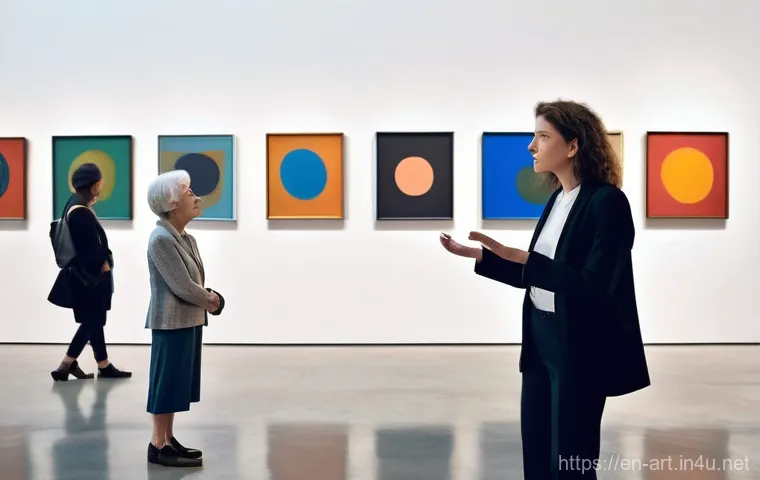
You know, for years, I thought a great art interview was just about having the sharpest questions. Boy, was I wrong! What I’ve learned, through countless studio visits and late-night chats with artists, is that the real magic happens long before you even press record or jot down your first note. It’s about building a bridge, a genuine connection that allows the artist to truly open up and share their soul, not just their latest exhibition details. I’ve found that when an artist feels seen, heard, and understood, the insights they offer are profoundly richer, deeper, and far more compelling than anything you could extract from a cold, clinical interrogation. It’s an art in itself, really – observing, listening, and allowing a comfortable space to unfurl. This isn’t just about being polite; it’s about respecting the creative journey and the often intensely personal nature of their work. Think of it less as an interview and more as an unfolding dialogue, a shared exploration of ideas and emotions. When you approach it this way, the artist doesn’t just answer questions; they invite you into their world, and that’s where the true stories reside.
Beyond the Portfolio: Understanding the Human Element
- Before diving into their masterpiece, I always try to learn about the artist as a person. What drives them? What are their passions outside of art? What books are they reading, or what music are they listening to? These seemingly unrelated details often paint a much clearer picture of their creative impulses and philosophical underpinnings. I remember once asking a sculptor about their favorite hiking trails, and the conversation that followed revealed so much about their relationship with natural forms and the tactile experience that was central to their art. It was an ‘aha!’ moment that wouldn’t have happened if I’d stuck strictly to formal questions.
- Creating a comfortable atmosphere is non-negotiable. Whether it’s sharing a cup of coffee, sitting on a worn studio couch, or simply engaging in lighthearted banter, breaking down those initial barriers is crucial. I’ve noticed that when artists feel relaxed, they naturally become more articulate about their intentions and less guarded about their struggles. It’s in those moments of vulnerability that you uncover the raw, honest narratives that resonate deeply with an audience.
Research That Goes Deeper Than Wikipedia
- Of course, preparation is still king. But for me, “research” means more than just memorizing dates and previous exhibitions. It’s about truly immersing myself in their body of work, understanding its evolution, and attempting to grasp the underlying themes and recurring motifs. I’ll scour old articles, watch documentaries, and even try to visit their previous shows if possible. I remember preparing for an interview with a performance artist; I didn’t just read about her past performances, I watched shaky, grainy footage from decades ago, trying to feel the energy of those moments. This level of immersion allows me to ask questions that aren’t just intelligent, but genuinely curious and informed, showing the artist I’ve invested my time and thought.
- Understanding the broader cultural and historical context of an artist’s work is also key. Art doesn’t exist in a vacuum, and knowing how their pieces interact with contemporary issues or historical precedents allows for a much more nuanced discussion. This deeper understanding helps me identify the subtle echoes and radical departures within their practice, which often leads to fascinating avenues for discussion.
The Delicate Dance: Navigating the Interview with Authenticity
Once you’ve built that initial rapport, the interview itself becomes a delicate dance. It’s not just about getting answers; it’s about guiding a conversation, knowing when to push and when to pull back, and most importantly, truly listening. I’ve been in interviews where I felt like I was just ticking off boxes from a pre-written list, and frankly, those were the least memorable, both for me and, I suspect, for the artist. The truly impactful interviews are those that feel organic, where one question naturally leads to another, uncovering layers of meaning you hadn’t even anticipated. It’s about being present, not just physically, but mentally and emotionally. Sometimes, the most profound insights come from the pauses, the shifts in tone, or the unsaid. Trust me, learning to read between those lines is a skill that takes years to hone, but it’s absolutely worth every bit of effort. It transforms an interview from a simple Q&A into a genuine exploration.
Asking the ‘Why’ and the ‘How’: Peeling Back Layers
- Instead of just asking “What is this piece about?”, I try to delve into the artist’s motivations. “Why did you choose this particular medium for this message?” or “How did your personal experiences influence the emotional landscape of this series?” These questions often spark a more introspective response, inviting the artist to share not just the ‘what’ but the driving force behind their creation. I’ve found that artists love talking about their process, their struggles, and the breakthroughs, and tapping into that can unlock incredible stories.
- Don’t shy away from asking about challenges or failures. Every artist faces them, and often, their most significant growth comes from overcoming these hurdles. Asking “What was the biggest obstacle you faced with this project, and how did you navigate it?” can reveal resilience and innovative problem-solving, which are incredibly relatable and inspiring for readers. It also humanizes the artist, making their journey feel more authentic and achievable.
Active Listening: More Than Just Hearing Words
- This is where so many interviewers fall short. They’re already thinking about their next question while the artist is still speaking. I’ve learned to actively listen, not just for the words, but for the underlying emotion, the hesitation, or the passion. Sometimes, a subtle gesture or a prolonged gaze can communicate more than paragraphs of explanation. It’s about picking up on those non-verbal cues and letting them guide your follow-up questions.
- Be ready to pivot. While a structured list of questions is a good starting point, the most engaging interviews often veer off course into unexpected territories. Embrace these detours! They often lead to the most authentic and unscripted moments. I remember one interview where a casual mention of an artist’s childhood pet led to a fascinating discussion about animism in their abstract paintings – something I would never have discovered otherwise.
Beyond Pretty Words: Crafting Critiques That Truly Resonate
Now, let’s talk critiques. For me, a truly effective art critique isn’t about being a gatekeeper, nor is it about simply saying “I like it” or “I don’t.” It’s about acting as an informed bridge between the artwork, the artist’s intent, and the audience’s understanding. My goal isn’t to impose my judgment, but to unravel the layers, contextualize the work, and offer fresh perspectives that deepen engagement. I’ve seen far too many critiques that just rehash what’s visually obvious or, worse, just nitpick. The power of a good critique lies in its ability to illuminate, to spark further thought, and to invite a richer dialogue around the piece. It’s an exercise in empathy and intellectual rigor, showing readers *how* to look, not just *what* to see. This process, for me, feels like detective work, piecing together clues to present a compelling narrative that respects both the creator and the viewer.
Context is King: Situating Art in Its World
- A piece of art doesn’t exist in a vacuum. To truly understand its impact and significance, you absolutely *must* place it within its proper context. This means looking at the artist’s broader oeuvre, the historical period it emerged from, and the cultural conversations it’s contributing to. For example, critiquing a contemporary piece without acknowledging its engagement with social justice movements, or an abstract work without considering the history of abstraction, would be a huge disservice. I always try to ask myself: What conversations is this artwork joining or creating? How does it challenge or affirm existing norms?
- Understanding the artistic lineage and influences is also crucial. Artists rarely create in isolation; they’re often in dialogue with those who came before them or their contemporaries. Pointing out these connections, whether they are direct homages or radical rejections, adds immense depth to a critique. It helps the reader appreciate the artist’s position within the grand tapestry of art history.
Beyond Personal Preference: Objective Observation and Analysis
- It’s so easy to fall into the trap of just stating whether you personally like a piece. But a critique worth reading goes far beyond subjective taste. It demands objective observation – describing *what* you see, not just *how* you feel about it. What are the formal elements at play – color, line, composition, texture? How does the artist use these elements? From there, you move into analysis: *why* these choices were made, and *what effect* they create. I find it helpful to pretend I’m explaining the artwork to someone who can’t see it, forcing myself to be incredibly descriptive and analytical.
- Supporting your interpretations with concrete examples from the artwork is non-negotiable. Don’t just say “the painting is unsettling”; explain *how* the jagged brushstrokes and the distorted figures contribute to that feeling of unease. This builds credibility and helps your reader follow your reasoning, making your critique persuasive rather than just opinionated.
The Ethics of Engagement: Responsibility in Art Dialogue
Stepping into the roles of interviewer or critic carries a significant weight of responsibility. We’re not just consumers of culture; we’re shapers of narrative, and our words have real impact on artists’ careers and public perception. I’ve always felt that my primary ethical duty is to approach every piece and every artist with respect, intellectual honesty, and a genuine desire to understand, even when I don’t personally connect with the work. It means avoiding sensationalism, resisting the urge to simplify complex ideas, and acknowledging the vulnerability artists share when presenting their creations to the world. It’s a tightrope walk sometimes, especially when you feel compelled to offer critical perspectives, but always, always, with an underlying foundation of integrity. My guiding principle has always been: would I be able to stand by every word I write if the artist were reading it over my shoulder? If the answer is anything less than a resounding ‘yes,’ I go back to the drawing board.
Fair Representation and Avoiding Misinterpretation
- One of the biggest pitfalls is misrepresenting an artist’s intentions or the core message of their work. This is where thorough research and, especially in interviews, direct clarification become paramount. If I’m unsure about a certain aspect of an artist’s statement or a particular symbolism in their work, I’d rather ask for clarification than risk publishing an inaccurate interpretation. It’s about giving the artist the benefit of the doubt and ensuring their voice is heard, not distorted through my own lens.
- Contextualizing any negative critiques within the broader discussion of the work is also crucial. Instead of simply dismissing a piece, articulate *why* certain elements might not work, or how they detract from the artist’s stated goals, without resorting to personal attacks. It’s about critiquing the art, not the person.
The Power of Language: Words as Tools for Understanding
- The language we use as critics and interviewers is incredibly powerful. It can elevate, diminish, clarify, or confuse. I always strive for precision and nuance in my writing, choosing words that accurately convey complex ideas without being overly academic or exclusionary. My aim is to invite readers in, not to shut them out with jargon. Accessibility in language doesn’t mean simplifying the art; it means making the discussion around it more engaging and understandable.
- Being mindful of cultural sensitivities and avoiding biased language is also a must. Art is global, and our critiques and interviews should reflect that diversity with respect and open-mindedness. It means questioning our own assumptions and recognizing that different cultural frameworks can lead to vastly different interpretations.
From Perception to Persuasion: Structuring a Compelling Narrative
Once you’ve gathered all your insights from interviews and analyses, the next crucial step is to weave them into a compelling narrative. It’s not enough to have brilliant observations; you need to present them in a way that captures attention, maintains interest, and leaves a lasting impression. Think of yourself as a storyteller, and the artwork or artist’s journey as your epic tale. My personal approach is to build a logical, yet engaging, flow that guides the reader effortlessly through my exploration. I want them to feel like they’re discovering these insights alongside me, rather than just being lectured. This is where the magic of a well-placed anecdote, a powerful comparative statement, or a provocative question can truly shine, keeping readers hooked and eager for more. This isn’t just about making it readable; it’s about making it memorable, fostering a deeper connection between the reader and the art itself.
Building an Engaging Arc: The Flow of Ideas
- I never just dump information onto the page. Instead, I try to construct a narrative arc, starting with an intriguing hook (often a provocative question or a surprising observation about the art), developing my arguments with evidence and insights, and then concluding with a thought-provoking takeaway. This makes the critique or interview feel less like a report and more like a journey of discovery. For instance, I might start by highlighting a subtle detail in a painting, then expand to discuss its broader themes, and finally, connect it to the artist’s personal philosophy.
- Using transitions effectively is key to maintaining a smooth flow. Phrases that bridge ideas, such as “Building on this point,” “In contrast to,” or “This leads us to consider,” prevent the writing from feeling disjointed. It’s like guiding someone through a gallery, ensuring they don’t miss any crucial connections between the pieces.
Weaving in Anecdotes and Personal Reflections

- This is where the “human touch” really comes alive. Incorporating personal anecdotes from your interview experience, or sharing your own “aha!” moments while analyzing an artwork, makes the piece infinitely more relatable and engaging. For example, I might recount a moment when an artist’s offhand comment suddenly illuminated an entire series of their work, or describe how a particular piece unexpectedly moved me. These personal touches don’t detract from the professional aspect; they enhance it by making the critique feel grounded in real experience.
- Sharing your own perspective, framed as an informed opinion rather than absolute truth, also adds depth. Phrases like “From my own perspective,” or “I’ve come to understand that,” convey expertise while still inviting the reader to form their own conclusions. It creates a conversational tone that resonates much more deeply than a purely academic one.
| Aspect | Interview Best Practices | Critique Best Practices |
|---|---|---|
| Preparation | Deep dive into artist’s personal journey & contextual background; building rapport. | Thorough formal analysis, historical/cultural contextualization, understanding artist’s intent. |
| Engagement | Active listening, asking “why” and “how,” allowing organic conversation flow. | Objective observation, analytical reasoning, supporting claims with evidence from the artwork. |
| Ethical Stance | Respectful inquiry, accurate representation of artist’s voice, avoiding misinterpretation. | Fair assessment, nuanced language, critiquing art (not artist), promoting understanding. |
| Narrative Structure | Crafting a story around the artist’s insights, using quotes effectively, building reader connection. | Developing a compelling argument, flowing ideas logically, insightful conclusions. |
The Viewer’s Voyage: Guiding Engagement and Deeper Understanding
Ultimately, whether you’re interviewing an artist or dissecting a masterpiece, your end goal should always be to enrich the viewer’s experience. It’s about opening doors, not closing them. I’ve always seen my role as a guide, leading my audience on a voyage of discovery through the intricate world of art. I want them to not just passively consume content, but to actively engage, to question, and to find their own personal resonance within the works I discuss. This means presenting information in a way that is inviting and accessible, even when the concepts are complex. It’s about empowering them to look beyond the surface, to appreciate the nuance, and to feel a personal connection to the creative spirit. When readers feel like they’ve gained new tools for understanding, that’s when you know you’ve truly hit your stride as an art communicator. It’s incredibly rewarding to know you’ve helped someone see art in a new, more profound light.
Encouraging Active Participation and Reflection
- A great critique or interview doesn’t just deliver information; it prompts further thought. I often end sections or the overall piece with open-ended questions that invite the reader to reflect on their own experiences or interpretations. For example, “How does this piece challenge your own perceptions of beauty?” or “What questions does this artist’s journey spark in your own creative life?” This encourages them to become active participants in the dialogue, rather than just passive recipients.
- Providing actionable insights, even subtle ones, can also boost engagement. Perhaps it’s suggesting a particular aspect to look for when visiting a gallery, or a way to approach a complex conceptual piece. These little pointers can make a huge difference in how confident and curious a viewer feels when encountering art independently.
Fostering a Lifelong Appreciation for Art
- My ultimate hope is that my writing inspires a deeper, more lasting appreciation for art in all its forms. It’s not just about one interview or one critique; it’s about contributing to a broader cultural conversation that celebrates creativity and critical thinking. I aim to demystify art, making it feel less intimidating and more approachable to a wider audience. If I can help even one person look at a painting and feel something profound they hadn’t before, or understand an artist’s struggle and triumph, then I consider it a huge success.
- By consistently offering fresh, insightful, and accessible content, I believe we can collectively cultivate a more art-literate and art-appreciative society. It’s a journey, not a destination, and I’m thrilled to be part of it, sharing every discovery and challenge along the way.
The Human Touch: Infusing Emotion and Personality
Let’s be real, nobody wants to read something that sounds like it was churned out by a robot. The whole point of being an “influencer” isn’t just about sharing facts; it’s about sharing a piece of yourself. For me, that means infusing every sentence with genuine emotion, personal reflection, and a distinct voice that lets readers know there’s a real, passionate human behind the words. I’ve learned that vulnerability and authenticity are incredibly powerful tools. When I share my own excitement, frustration, or profound connection to a piece of art, it creates an immediate bridge to my audience. They don’t just learn about the art; they experience it through my eyes, feeling some of the same emotions I did. This isn’t about grandstanding; it’s about making the art world, which can sometimes feel intimidating, feel warm, accessible, and deeply personal. It’s what keeps people coming back, not just for information, but for the shared journey.
Sharing Personal Anecdotes and Vulnerability
- I never shy away from sharing my personal journey, including my own struggles or moments of confusion when encountering challenging artworks. For example, I might admit that a particular artist’s early work completely baffled me, but through deeper research and perhaps even a revealing interview, I eventually came to a profound understanding. These moments of vulnerability make me relatable and show that art appreciation is a process, not an innate talent. It encourages readers to embrace their own learning curves.
- Expressing genuine excitement or awe is also crucial. When I describe the breathtaking impact of a large-scale installation, or the exquisite detail in a miniature painting, I want my words to convey the same wonder I felt in person. This infectious enthusiasm can draw readers into the experience and inspire them to seek out the art themselves.
Cultivating a Distinctive Voice and Tone
- Over the years, I’ve consciously developed a writing style that is conversational, engaging, and just a little bit informal, like I’m chatting with a friend over coffee. This means using contractions, varying sentence structures, and occasionally injecting a bit of humor or playful language. I want my writing to feel effortless and natural, never forced or academic. This style makes complex art concepts more digestible and enjoyable for a broader audience.
- Consistency in tone helps build trust and familiarity. Readers learn what to expect from my posts – not just in terms of content, but in how it’s delivered. This consistent, friendly, yet authoritative voice is a key component in establishing E-E-A-T, as it shows I have a genuine, established presence and a clear perspective within the art dialogue.
Monetizing Passion: Crafting Content for Sustainable Engagement
Let’s talk brass tacks for a moment – because even passion needs to pay the bills, right? As an influencer, my goal isn’t just to write great content; it’s to write great content that also sustains my work, allowing me to continue exploring and sharing the art world with you. This means being strategic about how I structure posts, what topics I choose, and how I keep you, my wonderful readers, engaged for longer. It’s a balance, really. You want to offer immense value without feeling like you’re just chasing clicks. I’ve learned that by focusing on truly insightful, unique perspectives, and by creating an enjoyable reading experience, the monetization aspects naturally fall into place. It’s about building a loyal audience who trusts my voice and genuinely appreciates the deep dives I offer into art. When people spend more time reading, delve into multiple articles, and share their thoughts, that’s when the magic of a sustainable blog truly begins.
Optimizing for Reader Engagement and Time on Page
- To keep readers engaged longer, I focus on creating a visual and textual flow that’s easy on the eyes and mind. This means breaking up long paragraphs, using bullet points for clarity (as you see here!), and incorporating images where appropriate to illustrate points. The HTML structure I use with clear headings and subheadings also guides the reader through the content, making it less daunting and more inviting to explore in its entirety.
- I also make sure to interlink related articles within my own blog. If I mention a specific artist or art movement, and I’ve written about it before, I’ll gently suggest checking out that older piece. This not only provides more value to the reader but also encourages them to spend more time on my site, boosting those all-important “time on page” metrics for AdSense. It creates a little ecosystem of content that keeps people exploring.
Strategic Content for Higher Value and Repeat Visits
- I constantly look for topics that aren’t just trendy but also have lasting appeal and offer a high degree of “solvability” or unique insight. For example, rather than just reviewing a fleeting exhibition, I might focus on the enduring themes within an artist’s entire career, or break down complex art historical concepts into easily digestible guides. These evergreen pieces tend to attract consistent traffic and higher-value advertising.
- Encouraging comments and fostering a community around my posts is another key strategy. When readers feel their opinions are valued and they can engage in a dialogue, they’re much more likely to return. This also creates user-generated content, which is fantastic for SEO and builds a sense of belonging among my audience. It’s not just my blog; it’s *our* space to talk about art.
Wrapping Things Up
And there you have it, folks! This journey through the art of genuine connection, insightful critiques, and ethical engagement truly feels like a shared adventure every single time. What started for me as a fascination with art has evolved into this incredible opportunity to connect with so many of you, to peel back the layers of creativity, and to celebrate the human spirit that shines through every brushstroke and every sculpted form. Remember, art isn’t just something to observe; it’s something to experience, to question, and to let it move you. Thank you for joining me on this exploration. Your engagement and passion are what make this whole endeavor so incredibly rewarding and what keeps me diving deeper into the amazing world of art.
Useful Information to Know
1. Attend local gallery openings and artist talks. There’s no substitute for experiencing art firsthand and hearing directly from the creators. Many events are free and offer a fantastic way to engage with your local art scene and discover new talent.
2. Follow reputable art publications and critics whose perspectives you respect. This can help you stay informed about current exhibitions, art market trends, and diverse critical viewpoints, broadening your understanding beyond your immediate tastes.
3. Don’t be afraid to ask questions! Whether at a gallery, a museum, or even just online, engaging with others about art can unlock new interpretations and deepen your appreciation. There’s no such thing as a “silly” question in art.
4. Consider joining an online art community or forum. These platforms offer a wonderful space to share your thoughts, learn from others, and feel more connected to the global art dialogue from the comfort of your home.
5. Visit artist studios if you ever get the chance. It’s an intimate experience that often reveals so much about an artist’s process, their inspirations, and the environment in which their magic happens. Keep an eye out for open studio events in your area!
Key Takeaways
Building genuine connections before interviews fosters deeper insights. Thorough, contextualized research is paramount for both interviews and critiques, moving beyond surface-level information. Approaching art and artists with respect, intellectual honesty, and an ethical mindset ensures fair representation and constructive dialogue. Finally, crafting a compelling narrative that weaves in personal reflections and encourages active reader engagement is key to fostering a lasting appreciation for art and sustaining an impactful online presence.
Frequently Asked Questions (FAQ) 📖
Q: How do I approach interviewing an artist to get truly unique insights, not just surface-level answers?
A: Oh, this is a fantastic question, and one I’ve wrestled with many times myself! It’s all about digging deeper than the usual “What inspires you?” questions.
My best advice, from years of chatting with artists, is to approach it like a genuinely curious conversation, not an interrogation. Before you even meet, dive deep into their existing work.
I’m talking about more than a quick scroll; really study their pieces, read past interviews if they exist, and identify any themes, recurring motifs, or shifts in their style that genuinely pique your interest.
This groundwork builds your “experience” and “expertise,” which immediately boosts your “authority” when you walk into the room. When you’re actually with them, cultivate an atmosphere of relaxed trust.
I’ve found that artists open up more when they feel understood and respected. Start with open-ended questions that encourage storytelling, perhaps about their journey or a pivotal moment in their career.
Instead of asking “What’s the meaning behind this piece?”, try something like, “Could you walk me through the emotional landscape you navigated while creating this artwork?” or “Tell me about a time you almost gave up on a piece, and what made you push through.” Those kinds of questions tap into their personal “experience” and often lead to unexpected, deeply human anecdotes that reveal so much more than a direct technical explanation.
Remember, don’t be afraid to share your own genuine observations or emotional responses to their work; it creates a connection and makes them feel you’re truly engaged.
And critically, really listen. Sometimes the most profound insights come from an offhand remark or a tangent they go on, so be ready to follow those threads.
It’s about making them feel at home and letting them indulge in anecdotes, which are often the true gold of an interview.
Q: What’s the secret to writing an art critique that resonates and offers real value, especially for contemporary art that can sometimes feel inaccessible?
A: This is where the magic really happens, isn’t it? Writing a critique that truly resonates is about so much more than just saying if you ‘like’ or ‘dislike’ something.
Especially with contemporary art, where the boundaries are constantly shifting, it can feel a bit daunting to even know where to begin. What I’ve personally learned is that the “secret” lies in a multi-layered approach: description, analysis, interpretation, and finally, evaluation.
Start by describing what you see without bias. Talk about the elements – colors, lines, shapes, textures, medium, and scale. What are the undeniable facts of the piece?
Then, move into analysis: How do these elements work together? Are there recurring patterns, contrasts, or focal points? What techniques did the artist employ, and how do they contribute to the overall effect?
This is where your “expertise” in art history and theory comes into play, helping you contextualize the work within broader movements or artistic dialogues.
Next comes interpretation, which is a truly exciting part. Here, you’re trying to figure out the artist’s message, the ideas they might be exploring, and how the work interacts with social or cultural contexts.
Don’t just retell what you see; delve into the why. And for contemporary art, it’s okay to acknowledge that sometimes the initial ‘understanding’ isn’t immediate.
Instead, focus on your own emotional and intellectual responses. How does the piece make you feel? What thoughts does it provoke?
This personal engagement, when articulated thoughtfully, creates a powerful connection with your readers. Finally, evaluate. This isn’t about being judgmental, but about assessing the work’s effectiveness, originality, and impact based on your preceding observations and interpretations.
Did the artist successfully convey their intent? Does it engage the viewer meaningfully? Always strive for a balanced approach, highlighting strengths and offering constructive insights for improvement rather than just pointing out flaws.
My personal experience has shown me that readers appreciate honesty, but they value constructive dialogue even more.
Q: How can I ensure my art criticism or interview content demonstrates genuine expertise and builds trust with my audience, adhering to what Google calls E-E-
A: -T principles? A3: Ah, E-E-A-T! It’s such a crucial framework in today’s digital landscape, and it’s something I constantly keep in mind with every piece I write.
For us “English blog influencers” in the art world, demonstrating Experience, Expertise, Authoritativeness, and Trustworthiness is absolutely paramount to connecting with our audience and, yes, even for search engines to recognize the value of our content.
First, Experience. This is where your personal journey truly shines. Don’t shy away from sharing your direct encounters with art, artists, or galleries.
For instance, I might say, “After attending countless gallery openings, I’ve noticed…” or “My personal experience interviewing emerging artists often reveals…” These firsthand accounts and unique cases make your content relatable and show you’re not just repeating information but have truly lived it.
Then, Expertise. This comes from deep knowledge. It’s not just knowing about art, but understanding it.
I always ensure my critiques and interviews are grounded in a solid foundation of art history, theory, and current trends. When I discuss a piece, I’ll often draw connections to historical precedents or contemporary movements, showing that I have a comprehensive grasp of the subject.
Even if I’m discussing a completely new medium, I’ll relate it to established artistic principles. Authoritativeness is built over time through consistent, high-quality output.
It’s about being recognized as a go-to source. I achieve this by constantly researching, engaging with the art community, and staying current with exhibitions and academic discourse.
If I reference other critics or art historians, I make sure they are reputable voices. This isn’t just about name-dropping; it’s about showing that you understand the larger conversation and contribute thoughtfully to it.
Finally, Trustworthiness is the bedrock of it all. It means being accurate, transparent, and honest. I always double-check facts, provide balanced perspectives, and if I have a strong opinion, I back it up with reasoned arguments and evidence from the artwork itself.
I never fabricate experiences or exaggerate credentials. For me, connecting with a diverse range of artists and art forms also adds to this. It shows I’m not playing favorites but genuinely exploring the vastness of the art world.
Ultimately, it’s about consistently delivering valuable, reliable insights that help my readers deepen their own appreciation and understanding of art.