The world of art is buzzing with new energy, and if you’re anything like me, you’re probably fascinated by how art education and three-dimensional creation are evolving right before our eyes.
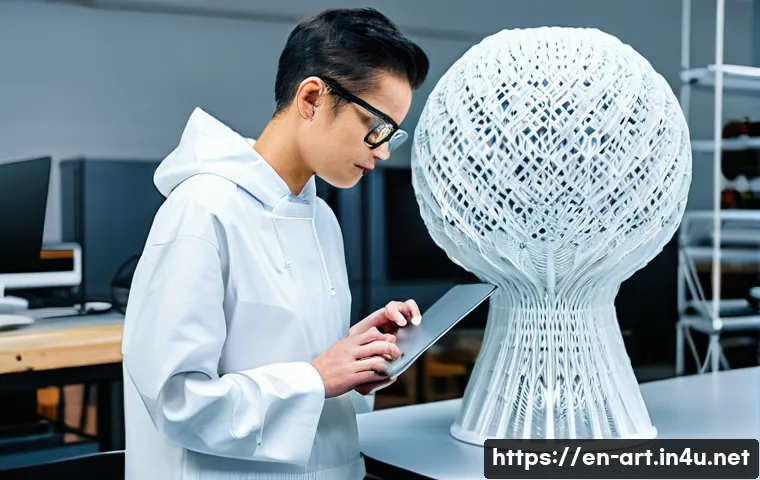
Gone are the days when art was confined to just canvas and clay; today, we’re seeing an incredible fusion of traditional techniques with mind-blowing digital tools.
It’s truly a thrilling time to be an artist or an art enthusiast, especially when you consider how technology is reshaping what’s possible. From personal experience, diving into this blend of old and new has opened up pathways I never even imagined, making art more accessible and exciting than ever.
I’ve noticed a huge shift towards integrating digital technologies like 3D modeling, virtual reality, and even AI into art education, which is really preparing students for dynamic careers in fields like gaming, animation, and design.
This isn’t about replacing those foundational drawing and sculpting skills we all cherish; it’s about expanding our creative toolkit and challenging what we traditionally consider “art.” Think about it: imagining something in your mind and then bringing it to life not just with your hands, but with a 3D printer or a VR headset, truly lets you explore spatial relationships in innovative ways.
It’s a powerful combination that fosters critical thinking and problem-solving skills too, which is just brilliant for holistic development. This blend of traditional and cutting-edge approaches fosters innovation and equips the next generation of artists to thrive in our rapidly changing creative landscape.
Beyond just the technical skills, art education today is heavily focused on student autonomy, personalization, and self-expression. From what I’ve seen, students are far more engaged when they have ownership over their projects and can explore themes that resonate with them, whether that’s through eco-art, artivism, or even biotech art.
There’s also a growing emphasis on art for mental health, using creative outlets to boost confidence and reduce stress, which feels more important than ever.
It’s a truly exciting landscape where creativity knows no bounds and the possibilities for immersive, interactive experiences are endless. Now, let’s dive deeper and uncover all the incredible ways art education and three-dimensional art are shaping our future!
Unleashing Creativity with Digital Dimensions
Honestly, when I first started exploring digital art, I was a bit skeptical. I’d grown up with charcoal smudges on my hands and the smell of turpentine in the air, so the idea of “sculpting” on a screen felt a little… sterile. But boy, was I wrong! The sheer freedom and precision that digital tools offer are game-changers. We’re talking about software that lets you push, pull, smooth, and pinch digital clay as if it were right there in front of you. Programs like ZBrush, Mudbox, and even the increasingly powerful Blender are allowing artists to create incredibly detailed and realistic 3D models for everything from video games to intricate jewelry designs. It’s not just about replicating reality, though; it’s about transcending it, crafting forms and designs that would be near impossible with traditional methods. I’ve seen artists integrate virtual displays into physical works, using LEDs or sound effects to breathe dynamic appeal into otherwise static pieces. This expansion of our creative toolkit means that the only limit is truly our imagination.
The Blending of Traditional and Tech in Modern Studios
It’s important to understand that this isn’t an “either/or” situation. Modern art education is all about the “and.” We’re not abandoning foundational drawing and sculpting skills; instead, we’re building upon them. Think about it: understanding anatomy and perspective is still crucial, but now, students can take those traditional sketches and translate them into a 3D digital environment, iterating and refining with unparalleled ease. I’ve seen art schools actively seeking professional development in digital art, recognizing that students are arriving already fluent in digital creation, from memes to generative AI. The goal is to equip the next generation with a comprehensive understanding that bridges both worlds, allowing them to choose the best tools for their artistic vision, whether that’s a brush or a 3D pen. It’s a beautiful dance between the old and the new, and honestly, it makes me so excited for the future of artistic expression.
Unlocking New Dimensions with 3D Printing and VR
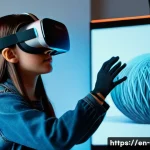
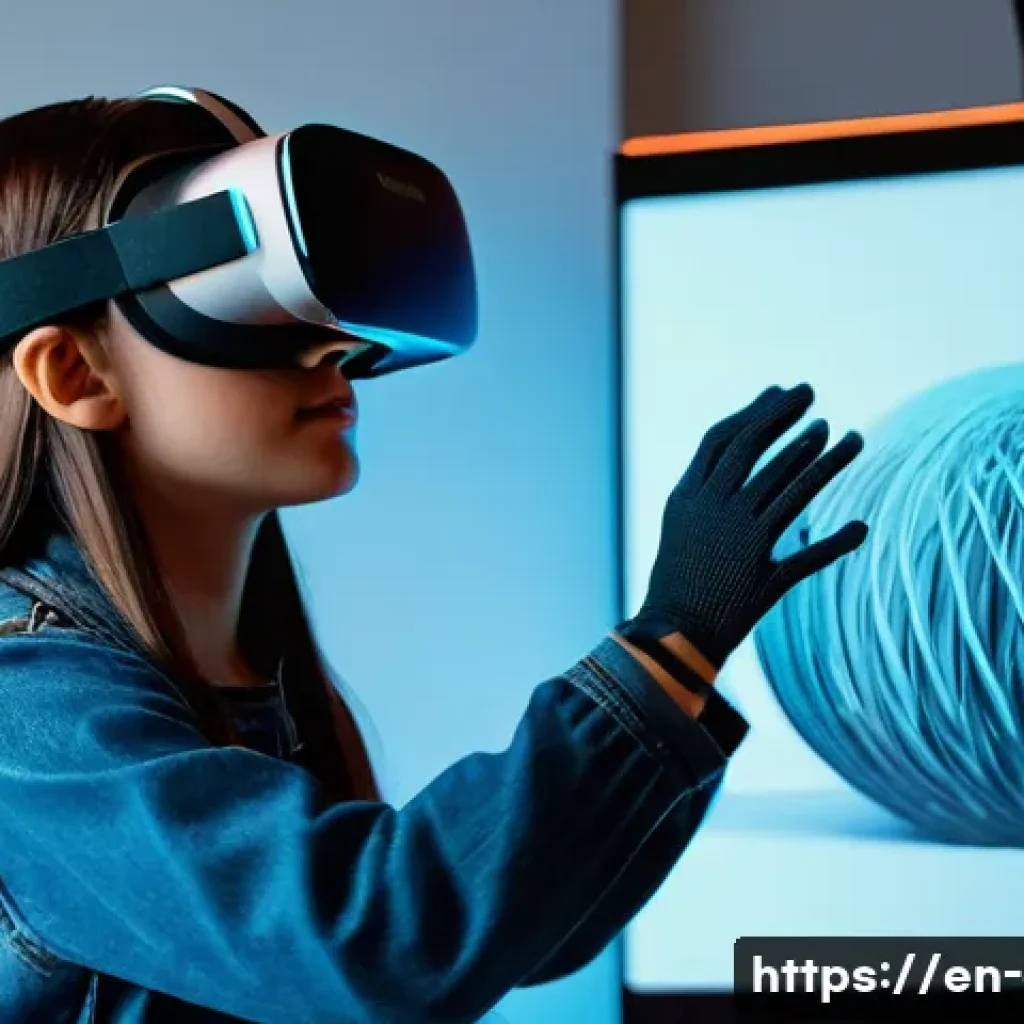
Remember the thrill of seeing your clay sculpture emerge from the kiln? Imagine that, but with a piece you designed entirely on a computer, brought to life by a 3D printer! 3D printing has revolutionized fine arts education by offering students new avenues for creative expression and skill development. It enables them to explore complex geometries and intricate designs that would be incredibly difficult, if not impossible, to achieve with traditional methods. Beyond just printing, virtual reality (VR) is taking immersive learning to a whole new level. I recently tried a VR sculpting tool, and it was mind-blowing – creating art in a 3D space that I could literally walk around and view from any angle. This kind of technology fosters a deeper understanding of spatial relationships and allows for a truly interactive creative process. It’s not just for advanced students either; VR can make art more accessible to those who might struggle with traditional tools, using special controllers to create amazing works.
The Experiential Shift in Art Learning
For me, the most impactful learning experiences have always been hands-on, and art education is absolutely embracing this. Gone are the days of just passively observing art; now, it’s all about diving in and getting your hands dirty, whether that’s with actual clay or digital pixels. The emphasis has really shifted towards student autonomy, personalized learning, and self-expression, which makes so much sense when you think about how unique each artist’s journey is. Students are more engaged when they have ownership over their projects and can explore themes that genuinely resonate with them. This shift also means art education is becoming a powerful tool for mental well-being, providing creative outlets to boost confidence and reduce stress. It’s about creating a dynamic environment where students can freely experiment and discover their own artistic voice.
Immersive Classrooms: Learning Through Doing, Not Just Seeing
The classroom is no longer just four walls; it’s a portal to immersive experiences. Educators are using tools like virtual reality and augmented reality to create environments where students can interact with art in new and engaging ways. Imagine stepping into a virtual art gallery and interacting with famous masterpieces, or designing your own amphora and then having it 3D printed to hold and examine. This kind of active engagement, where students can touch, move, and manipulate components of an artwork, goes way beyond passive observation. It’s about providing a sensory-rich environment that encourages critical thinking and makes complex concepts more accessible. From my own observations, when students are truly immersed, their curiosity is piqued, leading to deeper understanding and a genuine appreciation for art.
Cultivating Creativity for Real-World Impact
Today’s art education isn’t just about creating pretty pictures; it’s about developing critical thinking and problem-solving skills that are essential in any career. When students engage in projects that require them to think divergently and find innovative solutions, they’re not just making art; they’re training their minds to tackle real-world challenges. We’re seeing more interdisciplinary approaches where art is infused across the curriculum, connecting with subjects like science and technology to create amazing new projects. This holistic approach ensures that artists aren’t just skilled technicians but creative problem-solvers who can contribute meaningfully to various fields, from gaming to industrial design. It’s about empowering them to use their artistic voice to drive positive change and communicate ideas that impact both hearts and minds.
The Entrepreneurial Artist: Monetizing Your Three-Dimensional Vision
Let’s be real, while art is a passion, it’s also a career for many of us. And the world of 3D art has opened up some incredible avenues for monetization that simply didn’t exist a decade ago. It’s not just about gallery sales anymore; it’s about understanding the digital marketplace and how to leverage your skills to build a sustainable living. I’ve seen so many talented 3D artists turn their passion into a thriving business, and it truly is inspiring. From selling digital assets to offering specialized services, the possibilities are vast, and with the right strategy, you can absolutely make a great income doing what you love. It’s a journey that requires not just artistic talent, but also a good head for business, and that’s something modern art education is starting to emphasize more.
From Concept to Commerce: Selling Digital and Physical Sculptures
One of the most direct ways 3D artists are making money is by creating and selling 3D models. Businesses, game developers, filmmakers – they all need high-quality 3D models for their projects, whether it’s for an ad, a video game, or an architectural visualization. There are fantastic online marketplaces like TurboSquid, Sketchfab Store, CGTrader, and even the Unity Asset Store where you can list your creations and reach a global audience. But it’s not just digital; 3D printing has also created a niche for selling physical objects. Artists can design and 3D print unique jewelry, home decor items, or custom prototypes, making their art more accessible to a wider market. I know artists who’ve built entire businesses around custom 3D printed commissions, bringing intricate visions to life that would otherwise remain in the digital realm.
Building Your Brand in the Niche Market of 3D Art
In today’s crowded digital landscape, having a strong personal brand is absolutely crucial for a 3D artist. It’s more than just a portfolio; it’s about telling your story and showcasing what makes your work unique. Social media platforms are powerful tools for this, allowing you to share behind-the-scenes glimpses, works-in-progress, and final projects, creating a narrative around your art. Engaging with your audience, whether through comments or live sessions, helps to build a community and fosters loyalty. I’ve personally found that sharing my process, including the struggles and triumphs, resonates deeply with people. Beyond social media, developing a compelling online presence through your own website, which reflects your artistic style and professional ethos, is essential. It’s about creating an identity that sets you apart and attracts the right clients and collaborators.
Navigating the World of Commissions and Collaborations
Freelancing is a huge part of being a 3D artist, and it comes with its own set of opportunities and challenges. Platforms like Fiverr and Upwork make it easier to find clients, but truly succeeding means mastering client relationships, time management, and financial management. Effective communication is paramount to ensuring you understand and meet your clients’ visions. And let’s not forget collaborations! Working with other artists, designers, or even engineers can open up entirely new creative pathways and expand your portfolio into exciting new territories. I’ve found some of my most rewarding projects have come from working with others who bring different skill sets to the table, pushing my own creative boundaries in unexpected ways. It’s a dynamic and evolving landscape, and for those willing to adapt, the rewards can be significant.
Shaping Futures: Career Paths in Advanced Art and Design
It’s truly incredible how the world of 3D art and design has exploded, creating a plethora of exciting career opportunities that didn’t even exist a few decades ago. When I talk to aspiring artists now, the conversation isn’t just about becoming a painter or a sculptor in the traditional sense. It’s about game design, animation, architectural visualization, and so much more. The demand for 3D artists is growing, especially in fields like gaming, film, virtual reality, and product design. It’s a dynamic field that requires not only artistic ability but also proficiency in specialized software and an understanding of technical principles. And honestly, it’s a great time to be entering this space because the possibilities for innovation and impact are truly limitless. Students who embrace 3D art education are incredibly well-placed for these emerging roles.
The Untapped Potential of Game Design and Animation
If you’re anything like me, you’ve probably spent countless hours immersed in the rich, detailed worlds of video games or captivated by the magic of animated films. Well, those worlds are largely built by 3D artists! Creating 3D models for video games, designing characters, environments, and even entire animated shorts are significant ways 3D artists monetize their skills. The gaming industry, in particular, is a massive employer of 3D modelers and animators, offering roles for character artists, environment artists, and asset artists. From concept artists who use 3D to visualize ideas to sculptors who bring those characters to life, the demand is constant. It’s a fast-paced and incredibly rewarding field where your creativity directly translates into immersive experiences for millions.
Industrial Design and Prototyping: Where Art Meets Function
Beyond entertainment, 3D art plays a crucial role in bringing physical products to life. Industrial design relies heavily on 3D modeling and prototyping to visualize and refine new products before they even hit manufacturing. This is where art truly meets function. Think about everything from the sleek design of your smartphone to the ergonomics of your car’s interior – 3D artists were involved in visualizing and refining those designs. 3D printing, especially, allows for rapid prototyping, enabling designers to test and refine their ideas quickly, leading to more innovative and user-friendly products. It’s a field that demands both artistic vision and a keen understanding of engineering principles, making it a perfect fit for those who love to blend creativity with practical application.
Architectural Visualization: Bringing Structures to Life
Have you ever seen those stunning, photo-realistic renderings of buildings that haven’t even been built yet? That’s the magic of architectural visualization, another thriving career path for 3D artists. This field involves creating detailed 3D models of buildings, interiors, and landscapes to help architects and clients visualize projects before construction begins. It’s an essential tool for communicating design ideas, making presentations compelling, and even identifying potential issues before they become costly problems. 3D printing also plays a role here, allowing architecture students and professionals to develop scale models, which helps them better understand spatial relationships and dynamics in structures. It’s a specialty that combines artistic flair with precision and technical skill, and the demand for skilled architectural visualizers continues to grow.
The Human Element: How Art Tech Fosters Connection and Community
It’s easy to get caught up in the technical marvels of digital art, but what truly excites me is how these advancements are bringing people together. Art has always been a powerful connector, and technology is amplifying that in incredible ways. I’ve witnessed firsthand how digital platforms facilitate collaborations across continents and make art more accessible to individuals who might otherwise be excluded. It’s about creating a global community of creators and enthusiasts, breaking down geographical barriers and fostering a shared passion. This focus on connection and community, to me, is just as important as the technical innovations themselves, because ultimately, art is about human expression and shared experience.
Global Collaborations: Bridging Gaps with Digital Platforms
The internet has truly made the world a smaller place, and for artists, this means unprecedented opportunities for collaboration. Digital tools facilitate new forms of creative collaboration, allowing students and professionals to share ideas and work on projects with classmates and teachers from around the world. I’ve been part of online projects where artists from different countries contributed to a single 3D animation, each bringing their unique cultural perspective. It’s an enriching experience that broadens horizons and fosters a deeper understanding of diverse artistic traditions. Virtual reality platforms are also creating spaces for artists to “meet” and collaborate in immersive digital environments, pushing the boundaries of what’s possible in shared creative endeavors. This global interconnectedness is building a vibrant, inclusive artistic community that transcends borders.
Accessible Art: Breaking Down Barriers for All Creators
One of the most heartwarming aspects of art technology is its potential to make art more accessible. For individuals with disabilities, digital tools and adaptive technologies can open up entirely new avenues for creative expression. For example, 3D printing allows visually impaired visitors to museums to touch and imagine artworks, experiencing them in a tactile way that was previously impossible. Voice-activated software and other adaptive tools are expanding instructional opportunities, making art education more inclusive. This means more people, regardless of their physical abilities or geographical location, can engage with art, express themselves, and find their artistic voice. I truly believe that when art is accessible to everyone, our collective creative landscape becomes infinitely richer.
The Power of Online Showcases and Virtual Galleries
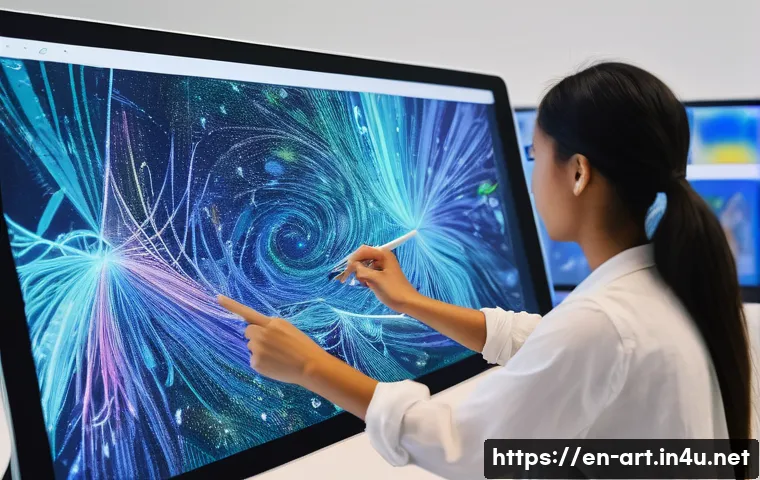
Remember the scramble to find a physical gallery space to show your work? While traditional galleries still hold their charm, online showcases and virtual galleries have democratized the art world in an incredible way. Now, artists can create and share their digital portfolios online, making their work visible to a global audience without geographical limitations. Platforms like ArtStation, DeviantArt, or even personal blogs (like this one!) serve as powerful showcases for 3D artists to display their creations. Virtual museums and immersive exhibitions allow people to experience art from the comfort of their homes, making art appreciation more accessible than ever. It’s a fantastic way to gain exposure, connect with other artists and potential clients, and build a following for your work.
Preserving Heritage, Embracing Innovation: The Dual Role of Modern Art Education
It might seem like a paradox, but the very technologies that are pushing the boundaries of what art can be are also proving invaluable in preserving our artistic heritage. When I think about the rich history of art, I’m struck by how fragile some of those artifacts are. But now, with digital tools, we have incredible ways to document, restore, and even recreate historical pieces, making them accessible to future generations in ways we never thought possible. This dual role of modern art education—honoring the past while boldly stepping into the future—is what makes it so incredibly vibrant. It’s a testament to the enduring power of art itself, constantly evolving yet always rooted in human creativity.
Revitalizing Ancient Techniques with Contemporary Tools
Imagine using 3D scanning to meticulously capture an ancient sculpture, then using 3D printing to create a perfect replica that can be studied and admired without risking damage to the original. This isn’t science fiction; it’s happening right now! Art education is finding innovative ways to revitalize ancient techniques by integrating contemporary tools. For instance, digital tools can help study artistic concepts, allowing students to understand shading, contrast, and color through digital means before applying those principles to traditional media. The ability to digitize historical artifacts, and even reconstruct damaged ones through 3D printing, is safeguarding our artistic past and making it more interactive for learners today. It’s about bridging the gap between historical art forms and modern artistic practices, ensuring that the wisdom of the past informs the innovations of the future.
Digital Archiving: Safeguarding Our Artistic Past
Our artistic heritage is a treasure, and digital archiving is becoming an indispensable tool for its preservation. Museums and cultural institutions are increasingly using 3D scanning and modeling to create high-resolution digital copies of artworks, sculptures, and historical artifacts. This not only protects these precious objects from degradation and natural disasters but also makes them accessible to researchers and the public worldwide. The British Museum, for example, has an online 3D gallery where people can explore the relationship between design and function of historical objects. This kind of digital preservation ensures that even if physical objects are lost or damaged, their artistic and historical significance can live on, allowing future generations to learn from and be inspired by them. It’s a critical application of technology that truly honors the legacy of human creativity.
The Evolving Role of Museums and Galleries
Museums and galleries, once seen as static repositories of art, are rapidly transforming into dynamic, interactive spaces thanks to technology. They are integrating immersive art experiences that encourage active participation from viewers, moving beyond passive observation. Think about projection mapping that brings paintings to life or interactive installations that respond to your movements. These engaging experiences are designed to captivate visitors, especially younger audiences, and offer new ways to connect with art. Many institutions are embracing 3D printing to create tactile reproductions of artworks, enhancing accessibility for visually impaired visitors and providing a more hands-on learning experience for all. It’s an exciting evolution that redefines how we interact with art and ensures these vital cultural institutions remain relevant and inspiring in the digital age.
| Aspect | Traditional Art Education | Modern Art Education (with 3D & Digital) |
|---|---|---|
| Tools & Mediums | Canvas, paint, clay, paper, pencils, traditional sculpting materials | Digital sculpting software (ZBrush, Blender), 3D printers, VR/AR headsets, graphic design software (Photoshop, Procreate) |
| Learning Environment | Physical studios, classrooms, museums (observational) | Hybrid classrooms, virtual studios, online learning platforms, immersive experiences |
| Focus | Mastering foundational techniques, art history, individual expression | Foundational techniques + digital proficiency, interdisciplinary studies, critical thinking, problem-solving, real-world application |
| Student Engagement | Often teacher-directed, limited scope for personal choice | High student autonomy, personalized learning, project-based, immersive, interactive |
| Career Preparation | Fine art, art teaching, gallery work | Game design, animation, architectural visualization, industrial design, VFX, freelance 3D artist, digital content creation |
The Future is Now: What’s Next in Art and Technology Fusion
Looking ahead, the pace of change in art and technology fusion is only accelerating, and it’s truly exhilarating to imagine what the future holds. We’re on the precipice of a new era where artificial intelligence isn’t just a tool but a creative partner, and immersive digital environments are becoming canvases for entirely new forms of artistic expression. For me, staying on top of these trends isn’t just about professional development; it’s about continually expanding my own creative potential and seeing how these advancements can inspire new ways of thinking and making. It’s about embracing the unknown and understanding that the definition of “art” itself is constantly expanding.
AI as a Creative Partner: Exploring Generative Art
Artificial intelligence in art is a topic that sparks a lot of debate, but from my perspective, it’s an incredible new frontier for creative exploration. AI-powered art tools are democratizing visual expression, making sophisticated artistic techniques accessible to everyone, regardless of their drawing ability or artistic background. You don’t need years of technical training to create visually compelling work; you need language skills and creative thinking to prompt the AI. I’ve experimented with generative AI programs like Midjourney, and it’s fascinating to see how they interpret text prompts into stunning visuals. While some worry about AI diminishing human creativity, I see it as a powerful co-creator, allowing artists to explore multiple ideas and diverse artistic styles rapidly, encouraging experimentation and refinement. It’s a tool that expands creative possibilities, not replaces traditional approaches.
The Metaverse and Beyond: Immersive Artistic Environments
The concept of the metaverse, while still evolving, presents an incredibly exciting vision for immersive artistic environments. Imagine entire digital worlds designed purely for artistic expression, where you can walk through dynamic sculptures, interact with living paintings, or collaborate on monumental virtual installations with artists from across the globe. Virtual reality and augmented reality are the gateways to these experiences, offering new ways to create and interact with art. I truly believe that these immersive platforms will redefine how we experience and understand art, allowing for deeper engagement and entirely new forms of sensory exploration. The possibilities for interactive storytelling and shared creative experiences in these emerging digital realms are truly limitless, and it’s a space I’m keenly watching.
Sustainable Practices in Digital and 3D Art
As we embrace these advanced technologies, it’s also crucial to consider the environmental impact and promote sustainable practices. While digital art might seem inherently “green,” the energy consumption of data centers and the production of hardware are factors we can’t ignore. This means focusing on energy-efficient software and hardware, optimizing rendering processes, and even considering the lifecycle of our digital creations. In 3D printing, for example, there’s a growing emphasis on using recycled materials and reducing waste. As artists and educators, we have a responsibility to not only push creative boundaries but also to advocate for and implement practices that ensure our technological advancements are environmentally conscious. It’s about being mindful creators, recognizing our impact, and striving for a future where art and technology flourish responsibly.
Closing Thoughts
And there you have it! What an incredible journey we’ve taken through the evolving landscape of art education and three-dimensional creation. It’s truly mind-boggling to see how much has changed and how much potential still lies ahead. For me, diving into this world has been nothing short of exhilarating, constantly pushing the boundaries of what I thought was possible with a canvas, a sculpture, or even just a screen. I truly hope you feel as inspired as I do by the endless possibilities that emerge when traditional artistry meets cutting-edge technology. It’s a fantastic time to be an artist, a student, or simply someone who appreciates the boundless depths of human creativity.
Useful Information to Keep in Mind
1. Don’t be afraid to experiment with new digital tools. Software like Blender (which is free!) offers incredible power for 3D modeling and animation, opening up new avenues for your creative vision. Just jump in and start playing around!
2. While technology is amazing, remember that strong foundational art skills – like drawing, composition, and understanding color theory – are still the bedrock of truly great art, whether digital or traditional. Keep practicing those basics!
3. Consider leveraging online marketplaces like Sketchfab or CGTrader to showcase and potentially sell your 3D models. It’s a fantastic way to gain exposure and even generate some income from your digital creations.
4. Networking and collaboration are key in the modern art world. Connect with other artists, join online communities, and explore collaborative projects to expand your skills and creative horizons.
5. Stay curious and keep learning! The art and tech fusion space is constantly evolving, with new tools like AI art generators and advanced VR platforms emerging all the time. Embrace continuous learning to keep your artistic journey fresh and exciting.
Key Takeaways
What a ride, right? As we wrap things up, I want to leave you with a few core ideas that have really stuck with me throughout this exploration. First off, it’s crystal clear that the fusion of traditional art with digital and 3D technologies isn’t just a trend; it’s the new frontier. We’re seeing a beautiful dance between charcoal sketches and virtual reality, clay models and 3D prints, all working together to expand our creative toolkit in ways we once only dreamed of. This blend isn’t about replacing the old, but about enriching it, allowing for an unprecedented level of detail, iteration, and imaginative scope. It truly feels like we’re standing at the dawn of a new renaissance, where creativity is amplified by innovation.
Secondly, art education has truly undergone a transformation, moving towards a more experiential, student-centric, and real-world-focused approach. The emphasis is now firmly on empowering students to explore their unique voices, experiment freely, and develop critical problem-solving skills that are invaluable in any career path. From immersive VR classrooms to projects that directly impact social issues, learning is no longer passive; it’s active, engaging, and deeply personal. This focus on “learning by doing” not only makes art more exciting but also prepares the next generation of artists to thrive in dynamic, interdisciplinary fields.
Lastly, and perhaps most exciting for many of you, the entrepreneurial opportunities in the 3D art space are absolutely booming. It’s no longer just about waiting for a gallery to pick up your work. Whether it’s selling digital assets on online marketplaces, taking on specialized commissions, or creating stunning architectural visualizations, artists now have more avenues than ever to monetize their incredible talents. Building a strong personal brand, mastering client relationships, and understanding the digital economy are becoming just as important as mastering your craft. And let’s not forget the power of community – these technologies are also breaking down barriers, fostering global collaborations, and making art more accessible to everyone, ensuring our collective artistic future is vibrant, inclusive, and endlessly inspiring. So go forth, create, and share your incredible vision with the world!
Frequently Asked Questions (FAQ) 📖
Q: How is integrating technology into art education really changing what it means to be an artist, especially with three-dimensional creation?
A: Oh, this is such a fantastic question! From what I’ve seen firsthand, technology isn’t just a new tool; it’s fundamentally reshaping our creative mindset and opening up dimensions we never thought possible in art.
For three-dimensional creation, it’s a game-changer. Think about it: traditional sculpture requires incredible precision and often significant material costs if you make a mistake.
Now, with 3D modeling software like Blender or ZBrush, you can sculpt, iterate, and refine your ideas in a digital space before ever touching a physical medium.
It’s like having an infinite undo button and a limitless supply of clay! This process actually enhances your understanding of form, volume, and spatial relationships because you can manipulate objects from every angle with such ease.
I remember struggling for hours trying to visualize complex architectural elements in a drawing, but seeing them immediately rendered in 3D, and even being able to walk around them in VR, truly deepened my perception.
It’s not replacing the magic of working with your hands, but rather giving you superpowers to experiment, conceptualize, and bring more ambitious visions to life.
This blending creates artists who are not only masters of traditional craft but also innovators ready for the digital frontier, making them incredibly versatile and adaptable.
It’s about expanding, not replacing, our definition of artistry.
Q: What kind of exciting new career paths are emerging for artists who embrace this blend of traditional and technological skills in art education?
A: This is where things get really thrilling, and honestly, a bit mind-blowing! The traditional art career path, while still incredibly valuable, has truly exploded thanks to these technological advancements.
We’re seeing artists who blend classical skills with digital prowess stepping into roles that were barely imaginable a couple of decades ago. Beyond the obvious fields like video game development (think character artists, environment modelers, concept artists) and animation, there’s a massive demand in virtual and augmented reality content creation.
Imagine designing immersive worlds for educational experiences or interactive art installations! Then you have industrial design, where artists use 3D modeling and printing to prototype everything from consumer products to medical devices.
Architectural visualization is another booming area, where artists create stunning, lifelike renderings of buildings before they’re even constructed. I’ve even seen friends with strong art backgrounds move into fields like forensic reconstruction or scientific visualization, making complex data beautiful and understandable.
The key takeaway here is that companies are looking for creative thinkers who can not only bring an artistic vision but also execute it using cutting-edge tools.
From my own network, I’ve noticed that the artists who are truly thriving are the ones who aren’t afraid to continuously learn new software and integrate it with their foundational artistic understanding.
It opens up so many doors and truly future-proofs an artistic career!
Q: For someone new to this world, perhaps a traditional artist or a complete beginner, how can they best get started with three-dimensional art and digital tools without feeling completely overwhelmed?
A: Oh, believe me, I totally get that feeling of being overwhelmed when you first look at some of these sophisticated programs! But don’t let it intimidate you; the journey is incredibly rewarding.
My advice for anyone looking to jump into three-dimensional art and digital tools, whether you’re a seasoned painter or a complete newbie, is to start small and focus on one thing at a time.
First, pick an accessible and powerful 3D modeling software. Blender, for example, is absolutely free and has an enormous, supportive online community with countless tutorials.
Don’t try to learn everything at once. Maybe start with a beginner tutorial on how to model a simple cup or a basic character. YouTube is an incredible resource – channels like “Blender Guru” or “FlippedNormals” are fantastic.
From my own experience, dedicating just 20-30 minutes a day to a specific tutorial, even if it feels clunky at first, builds up skills surprisingly fast.
Beyond software, consider investing in a decent graphics tablet. It makes a world of difference for digital sculpting and painting. Also, find a community!
Online forums, Discord servers, or even local meetups for digital artists can provide invaluable support and inspiration. The most important thing is to embrace the learning process, be patient with yourself, and enjoy the exploration.
You’ll be amazed at what you can create once you take that first step!