Hey there, amazing parents and passionate educators! As someone who absolutely lights up seeing young imaginations take flight, I’ve spent countless hours exploring the incredible world of elementary art education.
It’s truly astonishing how much more than just drawing and painting our kids gain from creative expression – we’re talking about nurturing critical thinking, boosting self-confidence, and even planting the seeds for future innovation.
I’ve personally witnessed the sheer joy and transformative power when a child discovers their unique artistic voice, whether they’re shaping clay or bringing a vibrant digital masterpiece to life.
But let’s be honest, keeping up with the most effective art teaching strategies can sometimes feel like trying to catch a butterfly, right? With new insights constantly emerging, from STEAM integration to embracing diverse cultural art forms, and the rapid evolution of digital tools, it’s vital to adapt and explore fresh approaches.
What I’ve found, time and again, is that the most impactful methods aren’t just about teaching technique; they’re about igniting innate curiosity and empowering every child to express themselves authentically.
If you’re eager to transform how young learners experience art, making every creative moment count and ensuring they develop skills that transcend the canvas, then you’ve absolutely landed in the right spot.
Ready to uncover some truly game-changing strategies that will breathe new life into your elementary art lessons, spark endless creativity, and make art education an unforgettable journey for our kids?
Let’s dive in and explore exactly how we can achieve that together!
Here’s the thing, parents and teachers, when we talk about art education, we’re not just talking about splashes of paint and colorful drawings. We’re talking about unlocking a child’s entire potential, truly.
It’s an incredible journey of discovery, and I’ve seen firsthand how a well-crafted art lesson can literally change a child’s perspective, not just on art, but on problem-solving and self-expression.
I’ve always believed that the magic of elementary art lies in its ability to nurture the unique spark within each child, transforming hesitant scribbles into confident strokes of genius.
The strategies I’m about to share aren’t just theoretical; they’re battle-tested in my own experience, having seen countless young artists blossom before my eyes.
They are about creating an environment where curiosity thrives, and every child feels empowered to share their inner world.
Cultivating Creative Confidence Through Experimentation
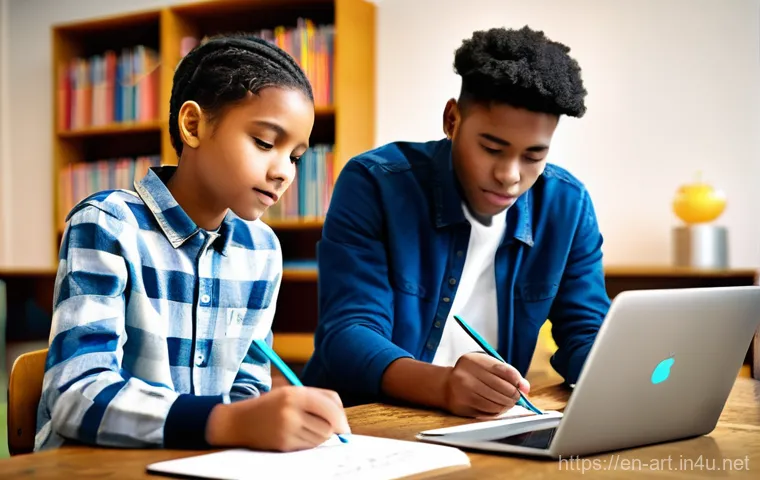
It’s an absolute game-changer when we allow kids to truly experiment without the pressure of a perfect outcome. I’ve always found that the most memorable art projects, the ones that truly stick with kids, are those where they aren’t just following a step-by-step guide, but actually exploring materials and techniques on their own terms.
Think about it: when was the last time you learned something profound by just copying? For me, it’s always been through trial and error, through making a mess and then figuring out how to turn it into something beautiful.
This approach isn’t about letting go of structure entirely, but about creating space within that structure for genuine inquiry. I remember one little artist, Sarah, who was so shy about her drawings.
Instead of giving her a specific picture to copy, I gave her a pile of different colored papers, some textured objects, and glue, and just asked her to make “something interesting.” What emerged was a vibrant, abstract collage that she was incredibly proud of, not because it looked like something else, but because it was uniquely *hers*.
That moment was a turning point for her confidence. We need to remember that creativity often blossoms in unexpected directions when we provide the right environment for exploration, rather than prescription.
It’s about igniting that intrinsic desire to create.
The Joy of Unplanned Discoveries
There’s a unique joy that comes from an unplanned artistic discovery, isn’t there? As educators and parents, we sometimes feel the urge to guide every brushstroke, but I’ve found that stepping back and letting children lead the way often yields the most surprising and delightful results.
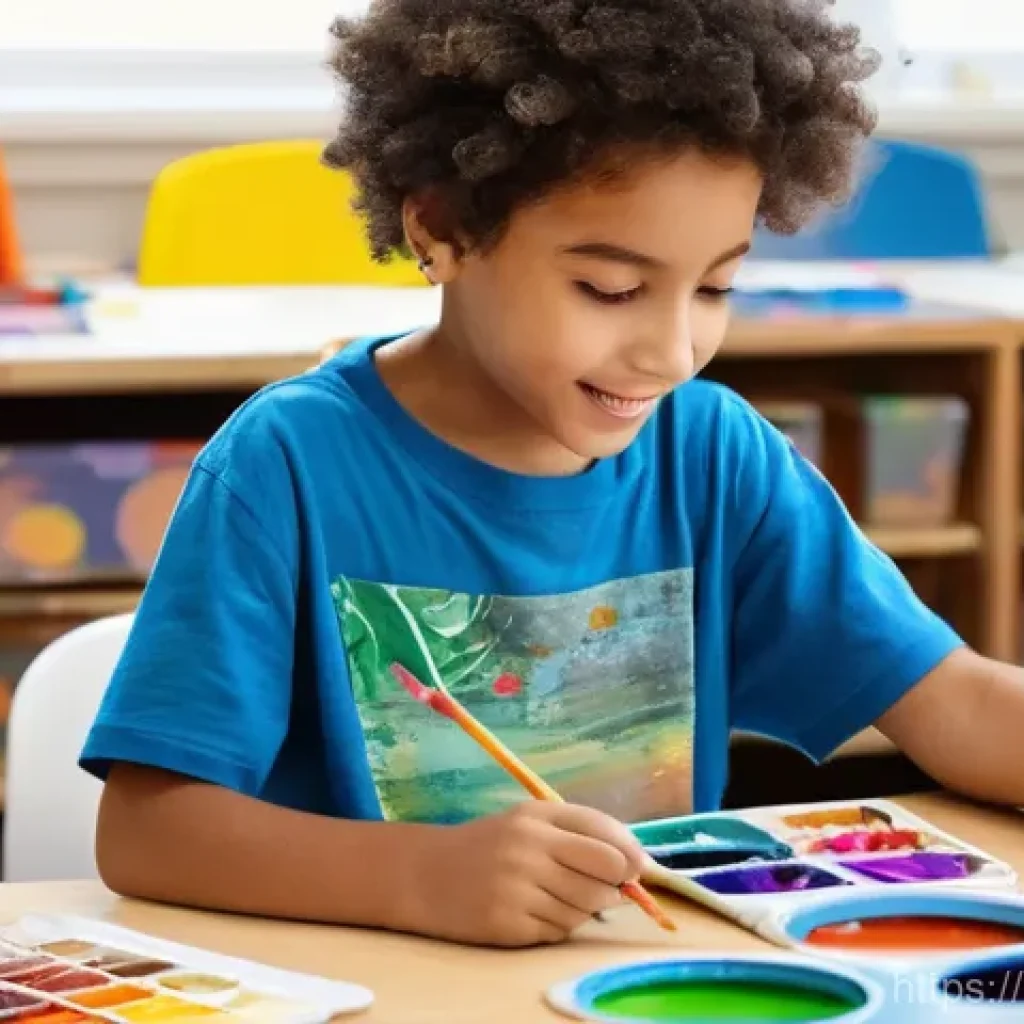
When I encourage my students to just “play” with paint, clay, or even digital tools, without a fixed idea of the end product, their engagement skyrockets.
I’ve seen kids accidentally mix colors that create stunning new hues, or shape clay into forms they never intended but adored. These “happy accidents” teach them resilience and flexibility, showing them that there isn’t just one “right” way to create, and that beauty can emerge from the unexpected.
It’s a powerful lesson in problem-solving and self-acceptance that goes far beyond the art room.
Empowering Choices, Inspiring Creations
Giving young artists choices within a project framework can dramatically increase their investment and sense of ownership. Instead of saying, “Everyone paint a tree,” I might offer, “Today we’re exploring nature.
You can paint a tree, sculpt a flower, or create a mixed-media landscape. What speaks to you?” This subtle shift empowers them. When I introduced a unit on printmaking, I didn’t dictate what they should print.
Instead, I provided various materials like foam, potatoes, and found objects, demonstrating different techniques. The children then chose their materials and designs, resulting in a diverse collection of prints, each reflecting a personal story.
This method not only fosters creativity but also strengthens their decision-making skills, making them more thoughtful and independent artists.
Embracing the Digital Canvas: Art for the Modern Kid
Oh, if you had told me years ago that my art room would be bustling with kids creating masterpieces on tablets, I might have chuckled! But let me tell you, integrating digital art tools has been nothing short of revolutionary.
I used to be a bit of a purist, believing that physical mediums were the only “real” art. However, my experience has totally shifted that perspective.
Digital art doesn’t replace traditional methods; it expands our children’s artistic vocabulary and offers an incredible new avenue for expression. It’s a bridge to their tech-native world, making art instantly more accessible and relevant to many.
I’ve witnessed students who struggled with fine motor skills or felt intimidated by traditional drawing suddenly flourish when given a stylus and a screen.
The undo button is a magical confidence booster, allowing them to experiment without fear of “ruining” their work. Plus, the sheer variety of brushes, colors, and effects available at their fingertips is mind-bogglingly inspiring.
It’s about meeting kids where they are, and where they are right now is often in a digital space.
| Aspect | Traditional Art Benefits | Digital Art Benefits |
|---|---|---|
| Tactile Experience | Engages senses, develops fine motor skills, understanding of materials | Simulated textures, precision control, haptic feedback on some devices |
| Experimentation & Risk | Learning from ‘mistakes,’ resourcefulness with limited materials | Instant undo/redo, endless colors/tools, low-risk experimentation |
| Accessibility | Low-tech, readily available materials, sensory input | Adaptive tools for diverse needs, portability, wide range of effects |
| Skill Development | Hand-eye coordination, color mixing, understanding depth/form | Digital literacy, graphic design principles, computational thinking |
From Pixels to Paintbrushes: A Hybrid Approach
The beauty of modern art education is that we don’t have to choose between digital and traditional; we can blend them seamlessly. I’ve found that a hybrid approach often yields the richest learning experiences.
For example, my students might sketch out their initial ideas on paper, then transfer them to a digital platform like Procreate or Sketchbook to refine colors and add details.
Or, they might create a digital background and then paint physical objects over it. This cross-pollination of mediums allows them to leverage the strengths of both worlds.
They learn how to think critically about which tool is best suited for a particular artistic goal, developing a more versatile and adaptable creative toolkit.
It’s about expanding their artistic language, not limiting it to one dialect.
Digital Tools for Every Young Artist
Think about the sheer accessibility digital tools offer. For a child with fine motor challenges, using a stylus can be far less frustrating than holding a paintbrush steady.
For a child who loves animation, digital platforms open up a whole new world of storytelling possibilities that simply weren’t as accessible with traditional methods.
I’ve seen students create stunning stop-motion animations using simple apps, or design intricate patterns they could then print and color. What’s even cooler is how many fantastic, user-friendly art apps are available now, often for free or at low cost, making digital art more democratic than ever.
It’s truly inspiring to see how these tools empower every child, regardless of their perceived “artistic talent,” to find their unique voice and express it with confidence.
Weaving Art into STEAM: Igniting Curiosity and Innovation
Okay, let’s talk STEAM, because this isn’t just a buzzword; it’s a powerful approach that I’ve seen transform the way kids engage with art. For years, art was often seen as this separate, “nice-to-have” subject, almost disconnected from the “serious” subjects like science, technology, engineering, and math.
But honestly, that couldn’t be further from the truth! Art is absolutely integral to all of these fields. When we integrate art into STEAM, we’re not just making science lessons prettier; we’re teaching kids to think creatively, to problem-solve visually, and to approach challenges with an innovator’s mindset.
I’ve personally found that when I challenge my students to design a bridge that can hold a certain weight (engineering), or to illustrate the life cycle of a butterfly (science), their artistic expressions become so much more purposeful and deeply understood.
They’re not just drawing; they’re understanding, hypothesizing, and communicating complex ideas through visual means. It’s about showing them that the skills they learn in art class – like observation, design, and critical thinking – are absolutely essential for innovation in any field.
The Art in Science and Math: Visualizing Concepts
Art is an incredible tool for visualizing abstract scientific and mathematical concepts, making them tangible and understandable for young learners. I’ve had my students create detailed anatomical drawings to understand biology, or construct elaborate mobiles to demonstrate principles of balance and gravity.
Instead of just memorizing facts, they’re actively creating representations, which deepens their comprehension. For instance, when we were learning about fractions, I had the kids design pizzas and divide them into equal parts, painting each slice a different “topping” color.
It was such a hands-on, visual way for them to grasp the concept, and they absolutely loved it! This kind of integration not only makes learning more engaging but also helps solidify abstract ideas in a concrete, memorable way.
It truly shows them that art isn’t just about aesthetics; it’s about understanding the world around them.
Problem-Solving Through Creative Design Challenges
One of my absolute favorite things to do is present my students with open-ended design challenges that require both artistic thinking and problem-solving.
For example, I might challenge them to design a functional “dream playground” using only recycled materials, or to create a creature that can survive in a specific habitat.
These aren’t just art projects; they’re engineering and biology challenges wrapped in a creative bow. The kids have to think about form, function, stability, aesthetics, and material properties.
They brainstorm, sketch, build, test, and iterate – all critical skills for future innovators. I’ve seen some incredibly ingenious solutions emerge from these challenges, proving that when art is paired with real-world problems, it becomes a powerful engine for critical thinking and invention.
It’s about teaching them that every problem is an opportunity for creative solutions.
Journeying Through Global Art Traditions: A Window to the World
Stepping into the art room should feel like stepping into a portal that can take you anywhere in the world, and that’s precisely what happens when we explore global art traditions.
It’s one of my most cherished approaches because it doesn’t just teach art techniques; it opens up young minds to diverse cultures, histories, and ways of seeing.
I’ve always felt that exposing children to art from different corners of the globe isn’t just an enriching experience; it’s a vital one in our increasingly interconnected world.
We delve into everything from the intricate patterns of Indigenous Australian dot paintings to the bold brushstrokes of Japanese sumi-e, or the vibrant tapestries of South America.
Each tradition brings its own stories, symbols, and artistic language, and witnessing my students absorb these new perspectives is incredibly rewarding.
It fosters a sense of global citizenship and an appreciation for the vast tapestry of human creativity. My goal is always to make them feel like they’re traveling the world from their desks, building bridges of understanding through art.
Exploring Diverse Cultures Through Creation
When we study art from another culture, it’s not enough to just look at pictures; we need to get our hands dirty and create! I love to introduce a specific art form, discuss its cultural significance, and then guide my students in creating their own interpretation using similar materials or techniques.
For instance, after learning about African masks and their role in storytelling and ceremonies, my students might create their own masks from cardboard, paint, and found objects, imbuing them with personal meaning.
Or, after exploring the vibrant imagery of Mexican folk art, they might design their own papel picado or miniature clay figures. This hands-on engagement goes beyond surface-level appreciation; it allows them to empathize with the creators, understand the cultural context, and develop a deeper respect for traditions different from their own.
It truly makes the world feel a little smaller and more connected.
Fostering Empathy and Understanding Through Art
One of the most beautiful outcomes of exploring global art is how it naturally cultivates empathy. When children learn about the symbols, stories, and beliefs embedded in art from another culture, they begin to see the world through a different lens.
They learn about the struggles, joys, and values of people who live far away, or whose histories are vastly different. I recall a project where we explored Native American pottery and discussed how patterns often told stories of the earth and sky, and how the creation process was deeply spiritual.
My students were so moved by this, and it sparked conversations about respecting the land and each other. This kind of artistic exploration isn’t just about learning techniques; it’s about fostering a profound sense of shared humanity and understanding.
It’s about using art as a universal language to connect us all.
Empowering Young Artists: Building Confidence and Voice
Let’s be real, putting your creative work out there can be a little scary, even for adults! So imagine how it feels for a developing artist. That’s why one of my absolute top priorities in the art room is to build up each child’s confidence and help them discover their unique artistic voice.
It’s not just about teaching them how to draw a perfect circle; it’s about nurturing their self-esteem so they feel empowered to express themselves authentically, regardless of what anyone else thinks.
I’ve found that when children feel seen and valued for their individual creations, their engagement soars, and their willingness to take risks sky-rockets.
It’s a truly beautiful transformation to witness a shy student, who once hid their artwork, proudly present their piece to the class. We want them to understand that art isn’t about perfection; it’s about expression, and their expression is always valid and important.
The Power of Positive Affirmation
A little bit of genuine, specific praise goes an incredibly long way. Instead of just saying “That’s good,” I try to pinpoint what I genuinely admire about their work.
“I love how you used those bright blues to make the sky feel so alive,” or “Your decision to use textured paper here really makes the character pop!” This kind of affirmation helps them understand *why* their art is impactful and encourages them to continue exploring those strengths.
I’ve seen how a few well-chosen words can turn a hesitant artist into a confident creator, eager to share their next idea. It’s about building them up, one thoughtful comment at a time, reinforcing that their efforts and unique perspectives are truly valued.
This isn’t just about flattery; it’s about genuine observation and encouragement that helps them grow.
Celebrating Every Unique Creation
Every piece of art created by a child is a snapshot of their imagination, their feelings, and their effort, and it deserves to be celebrated. This means creating opportunities for them to share their work, whether it’s through classroom displays, school-wide exhibitions, or even just a dedicated “artist’s spotlight” time during class.
When I organize our mini art shows, I make sure every child has at least one piece prominently displayed, accompanied by a little “artist statement” they write themselves.
Seeing their artwork proudly displayed for others to appreciate is an immense boost to their self-esteem. It teaches them that their voice matters, that their unique perspective is valuable, and that their creative efforts are worthy of recognition.
This public celebration validates their hard work and encourages them to continue their artistic journey with enthusiasm.
Creating a Sanctuary for Creativity: The Art Room Environment
When you step into my art room, I want it to feel less like a classroom and more like a vibrant, inspiring workshop – a sanctuary where ideas can freely take flight.
The physical environment plays an enormous role in sparking creativity and making kids feel comfortable enough to take artistic risks. It’s not just about having supplies; it’s about how those supplies are organized, how the space is arranged, and the overall atmosphere we cultivate.
I’ve poured a lot of love into making my art space a place where children feel excited to explore, make messes, and discover new things. Think about it: if a space feels sterile or overly rigid, how can creativity truly flourish?
My aim is always to create a dynamic, inviting space that whispers, “Come in, make something amazing, and don’t be afraid to get messy!” It’s about fostering a sense of wonder and possibility from the moment they walk through the door.
Designing Inspiring Spaces That Speak to Young Artists
An inspiring art room is more than just four walls; it’s a carefully curated experience. I like to fill my room with examples of diverse art, both student-made and professional, from various cultures and styles, changed frequently to keep things fresh.
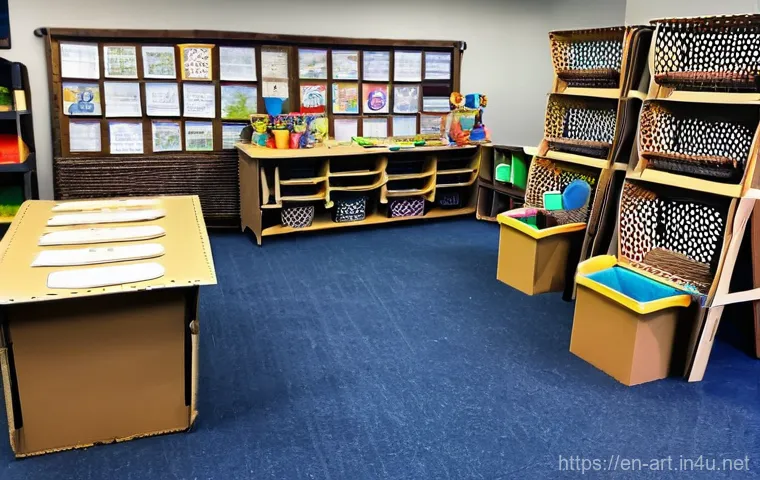
Bright, organized storage for materials makes it easy for kids to access what they need and encourages independence. Having different “zones” – a drawing corner, a painting station, a sculpture area – can also help focus their energy and provide a sense of purpose.
I’ve found that even simple things like a cozy reading nook filled with art books or a rotating display of famous artists can spark incredible conversations and new ideas.
It’s about designing a space that constantly feeds their curiosity and invites them to engage deeply with art in all its forms.
Materials That Spark Joy and Discovery
The types of materials we offer and how we present them can make a huge difference in sparking a child’s creative drive. Beyond the standard crayons and construction paper, I love to incorporate an array of interesting, unconventional, and even recycled materials.
Think about letting them explore textiles, natural elements like leaves and twigs, or even upcycled items like bottle caps and cardboard tubes. When materials are presented invitingly and with a sense of wonder – perhaps arranged by color, texture, or shape – children are more likely to interact with them creatively.
I’ve noticed that when kids have access to a rich variety of materials, their projects become more imaginative and their problem-solving skills shine.
It’s not just about having the supplies; it’s about making them accessible and exciting, encouraging playful exploration and discovery.
Wrapping Things Up
Whew, what a journey we’ve taken through the vibrant world of elementary art education! As you can tell, this isn’t just a subject I teach; it’s a passion that genuinely lights up my classroom and my life. Witnessing the transformation in a child’s eyes when they realize they can create something truly unique, something that speaks from their heart, is simply priceless. It’s about so much more than pretty pictures; it’s about equipping them with the tools for a lifetime of creative thinking, problem-solving, and self-discovery. So, let’s keep fostering these amazing sparks, nurturing every little artist, and ensuring that art remains a joyful, empowering, and essential part of every child’s education. Keep those brushes moving and those imaginations soaring!
Useful Tidbits for Your Art Journey
1. Don’t be afraid to get messy! True artistic discovery often happens outside the lines and with a bit of a creative mess. Embrace it as part of the learning process.
2. Mix it up! Blend traditional materials like crayons and paint with found objects, recycled goods, or even digital tools to keep things fresh and exciting for young artists.
3. Celebrate every effort. Focus on the process and the unique expression rather than just the final product. Every creation, big or small, deserves recognition.
4. Encourage storytelling. Ask children to talk about their art, what inspired it, and what they learned. This helps them articulate their creative process and builds confidence.
5. Visit local art museums or galleries, even virtually! Exposure to diverse art can spark new ideas and broaden a child’s understanding of what art can be.
Key Takeaways for Nurturing Young Artists
After years in the classroom, I’ve come to understand that the heart of effective elementary art education lies in creating an environment where children feel safe to explore, experiment, and express themselves without reservation. It’s about providing the freedom for unplanned discoveries, giving them choices that empower their artistic voice, and celebrating every step of their creative journey. Think of yourself as a guide, offering prompts and possibilities, rather than a strict instructor dictating every move. I’ve personally observed that when kids are given the reins, even in small ways, their engagement skyrockets, and their inherent creativity shines through in ways you might never have anticipated. It’s incredibly rewarding to see them own their artistic decisions.
Moreover, integrating art across the curriculum, especially with STEAM subjects, isn’t just a trend; it’s a profound way to demonstrate the real-world relevance of artistic thinking. When a child uses design principles to build a stronger bridge or visual communication to explain a scientific concept, they’re not just doing “art”; they’re becoming critical thinkers and innovators. And let’s not forget the immense power of exploring global art traditions. This isn’t just about pretty pictures from far-off lands; it’s about opening young minds to diverse cultures, fostering empathy, and building a foundation for global citizenship. My experience has shown me time and again that these exposures broaden their horizons far beyond the classroom, teaching them that art is a universal language that connects us all.
Ultimately, our role is to empower these young artists, helping them build the confidence to share their unique perspectives. This means consistent, specific positive affirmation and creating ample opportunities for their work to be seen and celebrated. Whether it’s a small display in the hallway or a dedicated “artist spotlight,” acknowledging their efforts validates their hard work and encourages them to continue their artistic journey with enthusiasm. I’ve seen firsthand how a child who once hesitated to show their work can blossom into a confident creator, all because they felt their voice was valued. It’s about making the art room a sanctuary for creativity, a place where every child feels they belong and can freely explore their inner world, transforming hesitant scribbles into confident strokes of genius. Let’s keep those creative sparks burning brightly!
Frequently Asked Questions (FAQ) 📖
Q: How can we truly go beyond basic drawing and painting to help elementary students develop critical thinking and problem-solving skills through art?
A: This is such a fantastic question, and it really gets to the heart of what makes art education so powerful! From what I’ve seen in classrooms and my own experiences, it’s all about shifting the focus from just replicating an image to engaging students in a deeper thought process.
Instead of simply saying, “Draw a flower,” try open-ended projects that encourage them to think about the flower – its structure, its colors, what it represents, or even how it might look in a fantastical world.
I’ve found that asking specific, thought-provoking questions like, “Why did you choose these colors?” or “What feeling does your artwork convey and why?” can unlock a whole new level of critical engagement.
Encouraging observation is key, too. When kids carefully observe something, whether it’s a piece of art or an object in nature, and then translate that observation into their own creation, they’re developing incredible analytical skills.
I’ve personally seen students light up when given a challenge, like creating an artwork with specific constraints or using unusual materials to solve an artistic problem.
This kind of “art creation challenge” really gets those problem-solving gears turning! Also, having students discuss their work, or even critique it (in a constructive, supportive way, of course!), helps them articulate their choices and understand the impact of their artistic decisions.
It’s not just about the final product; it’s about the journey of discovery and the mental muscles they’re building along the way.
Q: With new trends like STE
A: M and digital tools constantly emerging, how can elementary art educators effectively integrate these into their lessons without feeling overwhelmed? A2: Oh, I totally get how it can feel like a whirlwind keeping up with all the exciting new developments!
But trust me, integrating STEAM (Science, Technology, Engineering, Art, Math) and digital tools doesn’t have to be overwhelming; it can actually be incredibly liberating and engaging for our students!
What I’ve seen work wonders is starting small and focusing on connections that genuinely make sense. Think about how art can make abstract science or math concepts tangible.
For example, when my students were learning about geometry, we didn’t just draw shapes; we designed tessellations or built 3D sculptures using geometric forms.
It brought the math alive in such a visual, hands-on way! For digital tools, my golden rule is to “go slow.” Kids are often digital natives, so they pick things up super fast, but introducing tools gradually lets them explore without getting frustrated.
I’ve had fantastic experiences using simple, accessible tools like Google Drawings for things like pixel art, self-portraits, or even mosaics. It’s free, easily available, and provides a great entry point into digital creation.
Start by letting them explore the tools, then introduce simple tasks like drawing lines or shapes, and build up from there. We can also explore incredible resources like Google Arts & Culture, which allows students to virtually explore museums and artworks from around the world – it’s an immersive experience that broadens their horizons like nothing else!
The beauty of STEAM and digital art is that it doesn’t replace traditional art; it expands the possibilities and gives our kids more avenues to express their incredible ideas.
Q: How can we foster authentic artistic expression in every child, ensuring they feel confident to discover and share their unique artistic voice?
A: This question resonates so deeply with me because seeing a child truly express themselves through art is one of the most rewarding experiences! My biggest tip, from years of watching little artists grow, is to create an environment where there’s no “right or wrong” way to create.
Giving children ample freedom to independently discover, explore, and experiment with materials is crucial. When we provide open-ended art projects with choices in materials, it empowers them to take ownership and develop their unique approach.
I’ve learned that respecting all levels of artistic ability and focusing on effort and involvement, rather than just the “prettiness” of the artwork, makes a huge difference in building their confidence.
Imagine a child proudly showing you their vibrant, abstract painting, and instead of saying “that’s nice,” you ask, “Tell me about the story these colors tell,” or “What was your favorite part of making this?” This encourages self-reflection and helps them articulate their intentions.
Another powerful strategy I’ve personally witnessed is embracing diverse artistic paths and culturally responsive teaching. By exposing students to a wide range of artists from different cultures and backgrounds, we help them see that there are countless ways to express ideas and that their own cultural heritage is a rich source of inspiration.
This not only broadens their worldview but also affirms their identity, making them feel more included and confident to share their personal stories through art.
Providing opportunities for peer critiques and self-reflection, where they can discuss their choices and intentions, further solidifies their unique artistic voice and builds their self-esteem.
It’s about celebrating individuality and the incredible diversity of human creativity!