Hey there, fellow art enthusiasts and creative minds! I’m so thrilled you’ve landed on my little corner of the internet today. You know, lately, I’ve been completely captivated by the dynamic shifts happening within the world of art, especially at the intersection of education and sustainability.
It’s not just about mixing paints anymore; it’s about shaping future generations to think innovatively and responsibly. I’ve personally seen how integrating eco-conscious practices into art classrooms can truly spark a different kind of creativity, one that’s deeply connected to our planet.
It’s inspiring to witness young artists not only honing their craft but also becoming advocates for a greener future through their work. This isn’t just a fleeting trend; it’s a profound movement redefining artistic expression and its impact on the world.
I’ve been experimenting with some of these ideas myself, and the results have been truly eye-opening. We’re talking about a vibrant, evolving landscape where every brushstroke can tell a story of renewal and responsibility, making art more relevant and impactful than ever before.
Let’s really dig into this fascinating topic and uncover some exciting insights together. We’re going to explore how art education is evolving to embrace sustainability, and why this matters more than ever for our future artists and our planet.
Let’s dive deeper below!
Redefining the Creative Space: More Than Just Easels and Palettes
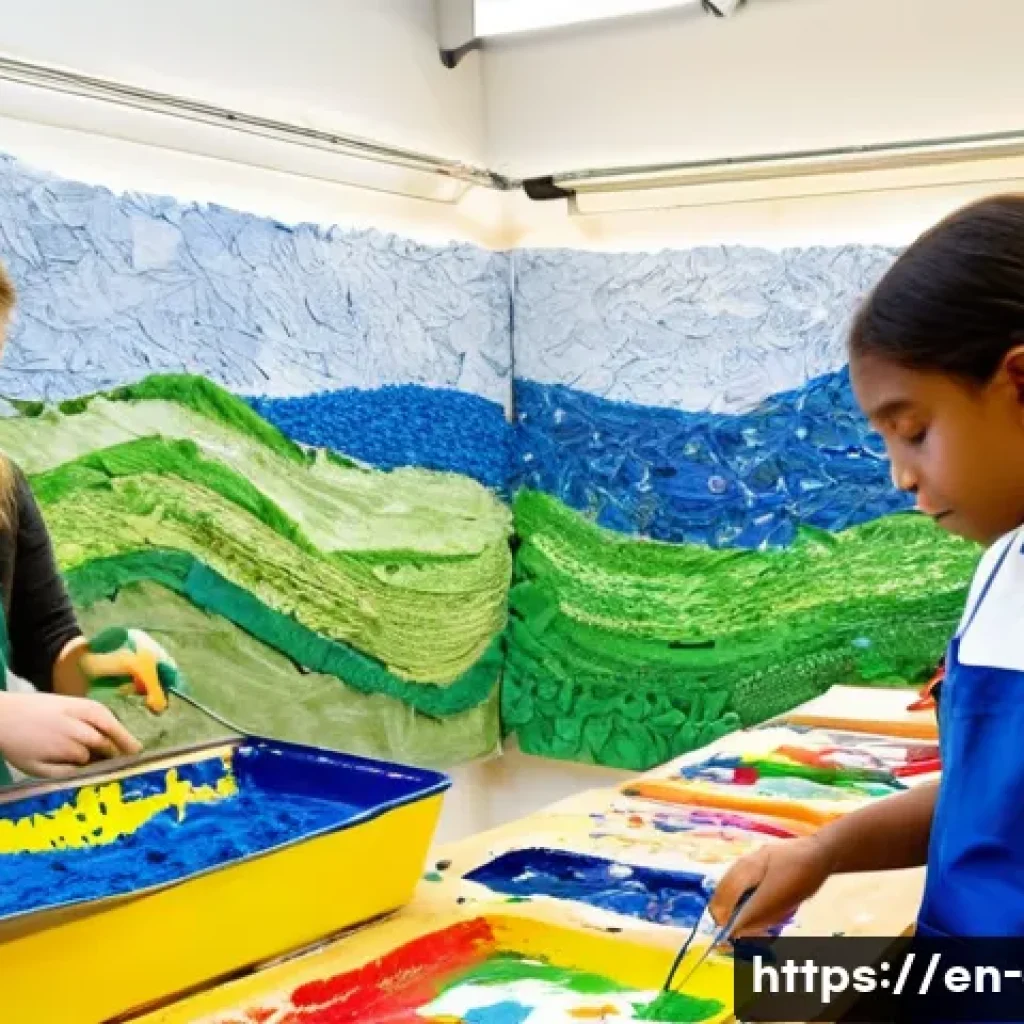
Hey there, fellow art enthusiasts! I’ve been absolutely buzzing lately about how our art classrooms are transforming right before our eyes. It’s not just about the smell of turpentine and the vibrant splatters of paint anymore; it’s about a much broader conversation. I remember my own art classes feeling a bit siloed, almost like a separate world from the real one. But today? Oh my goodness, it’s a whole different ballgame. What I’ve personally seen is this incredible shift where art education is becoming deeply integrated with real-world issues, especially sustainability. It’s truly heartwarming to witness. Students aren’t just learning techniques; they’re learning to be conscious creators, thinking about where their materials come from, where they go, and the message their art conveys about our planet. It’s almost as if the walls of the classroom are becoming permeable, allowing the outside world, with all its challenges and beauty, to flow right into the creative process. This holistic approach, from what I’ve gathered through countless conversations with educators and young artists, is fostering a sense of responsibility and innovation that truly blows me away. It feels less like a traditional lesson and more like a collaborative exploration of how art can be a powerful force for good, a genuine catalyst for change. The energy in these spaces is palpable, a mixture of artistic passion and a genuine desire to make a difference, and honestly, it’s one of the most inspiring things I’ve encountered in my recent journey into the art world.
Beyond Traditional Mediums: Embracing Innovation and Responsibility
One of the most exciting aspects of this evolution is the push beyond traditional art supplies. I mean, don’t get me wrong, I still adore a good oil painting, but I’ve been completely fascinated by the innovation happening in eco-friendly materials. When I first started looking into this, I was a bit skeptical, wondering if sustainable options could really offer the same vibrancy or longevity. But what I’ve found, through my own experiments in my studio, is that there are some truly incredible alternatives out there! We’re talking about paints made from natural pigments, recycled paper that has an amazing texture, and even sculptures crafted from reclaimed materials. It’s not just about being “green”; it’s about opening up entirely new creative avenues. I’ve personally seen artists create breathtaking pieces using everything from discarded plastics to repurposed textiles, each material telling its own story. This shift not only reduces environmental impact but also encourages a fresh kind of problem-solving and ingenuity. It feels like every material has a second life, a new narrative waiting to be told through the artist’s hands, making the creative process even more meaningful and impactful.
Fostering a Global Mindset Through Art
What really excites me is how this shift is nurturing a global mindset in young artists. It’s no longer just about mastering a skill; it’s about understanding the interconnectedness of our world. I’ve heard stories from teachers about students researching local environmental issues and then using their art to raise awareness, collaborating with communities, and even inspiring policy changes on a small scale. This kind of hands-on, community-focused art education fosters empathy and a sense of global citizenship. It moves beyond the confines of individual expression and into collective action. When I reflect on my own artistic journey, I realize how much I would have benefited from this broader perspective earlier on. It’s about more than just making beautiful things; it’s about using that beauty, that creativity, to spark important conversations and contribute to solutions. It transforms art from a solitary pursuit into a powerful tool for social and environmental good, connecting artists not just to their craft, but to their communities and the wider world in profound ways.
The Eco-Friendly Palette: A Deep Dive into Sustainable Materials
Stepping into the world of sustainable art materials has been an absolute revelation for me. For years, I, like many artists, just grabbed whatever was available, not really thinking about the lifecycle of my supplies. But once you start down this path, it’s hard to go back! I’ve personally spent countless hours researching, experimenting, and sometimes even failing with different eco-friendly options, and let me tell you, the journey has been incredibly rewarding. It’s not always straightforward; some materials require a different touch, a new way of thinking about application or longevity. For instance, I’ve found that natural pigments, while incredibly vibrant, can behave differently than their synthetic counterparts, demanding a deeper understanding of their properties. But that challenge? That’s where the real magic happens. It forces you to be more intentional, more connected to your process. I’ve been absolutely amazed by the quality and versatility of recycled papers, for example, each sheet carrying a subtle history that adds character to the finished piece. And don’t even get me started on crafting with found objects; it’s like a treasure hunt with endless possibilities, turning what others see as trash into pure artistic gold. It truly feels like a conscious choice, a way to infuse my values directly into my work.
Harnessing Nature’s Pigments: From Earth to Canvas
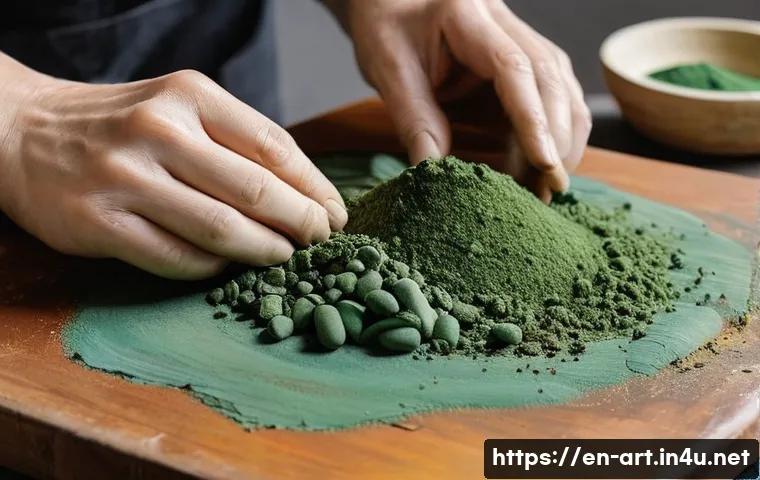
One area that has completely captivated my imagination is the use of natural pigments. I mean, think about it: paints derived directly from plants, minerals, and even soil! I’ve been playing around with making my own watercolors and inks from things like avocado pits for subtle pinks, turmeric for vibrant yellows, and even charcoal for deep blacks. It’s a messy, often unpredictable process, but that’s precisely what makes it so enchanting. There’s a profound connection you feel to the earth when you’re literally grinding down minerals or simmering plant matter to extract color. It feels incredibly authentic and primal. What I’ve personally experienced is that these natural colors often have a unique luminosity and depth that synthetic pigments sometimes lack. They tell a story of their origin, a connection to the landscape that birthed them. While the color palette might be slightly different from what you’re used to, the richness and organic beauty are truly unparalleled. It’s about embracing the imperfections and celebrating the natural world in every brushstroke, and honestly, it’s made me fall even more deeply in love with painting.
Upcycling and Repurposing: Giving Materials a Second Life
Then there’s the whole wonderful world of upcycling and repurposing, which has become a huge part of my artistic practice and what I enthusiastically share with others. My studio used to be filled with new supplies, but now it’s a treasure trove of discarded items – old fabric scraps, broken electronics, forgotten wooden pieces, and even plastic bottles. It’s an exercise in seeing potential where others see waste. I often find myself rummaging through thrift stores or even construction sites (with permission, of course!) looking for materials that spark an idea. The joy of transforming something that was destined for a landfill into a piece of art is incredibly satisfying. I recall working on a sculpture last year using nothing but old circuit boards and wires; the metallic sheen and intricate patterns were just begging to be reimagined. It forces you to think outside the box, to let the material guide your creativity rather than imposing your will on it. This approach not only significantly reduces waste but also infuses the artwork with a unique narrative, a history of its former life. It’s a constant reminder that creativity doesn’t need to be expensive or consume new resources; often, the most compelling art emerges from what already exists.
Cultivating Conscious Creatives: Art as a Catalyst for Change
When I talk about cultivating conscious creatives, it’s about nurturing a generation of artists who aren’t just skilled technicians, but thoughtful innovators and passionate advocates for the planet. I’ve had the privilege of observing some truly remarkable art programs lately, and what stands out to me is how seamlessly environmental consciousness is woven into the curriculum. It’s not just an add-on; it’s fundamental to the artistic process itself. I’ve personally witnessed young artists, some as young as elementary schoolers, brainstorming solutions to local pollution problems and then translating those ideas into powerful visual messages. It’s incredibly moving to see them connect their personal experiences to broader environmental challenges and feel empowered to express those connections through their art. This kind of education goes beyond the canvas; it shapes their worldview, their values, and their sense of responsibility. It’s about equipping them with the tools, both artistic and intellectual, to critically analyze the world around them and use their creative voice to influence positive change. This is the heart of true impact, really – shaping young minds to be proactive, empathetic, and courageous in their artistic pursuits.
Empowering Young Voices Through Eco-Art
Empowering young voices through eco-art is perhaps one of the most rewarding aspects of this shift in art education. I’ve seen firsthand how giving students a platform to create art about environmental issues can ignite a passion that extends far beyond the classroom. For example, I recently attended an exhibition where middle schoolers presented installations made entirely from recycled ocean plastic, each piece telling a story of marine life impacted by pollution. The sheer emotional power and thoughtfulness behind their work were breathtaking. They weren’t just making art; they were sharing their concerns, their hopes, and their urgent calls for action. This experience profoundly resonated with me because it highlighted how art can transcend language barriers and speak directly to the heart. It provides a non-threatening yet potent way for young people to engage with complex issues, process their feelings, and communicate powerful messages to a wider audience. It makes their voices heard in a way that traditional essays or speeches sometimes can’t, fostering a sense of agency and purpose that is truly inspiring.
Building Community Through Shared Environmental Vision
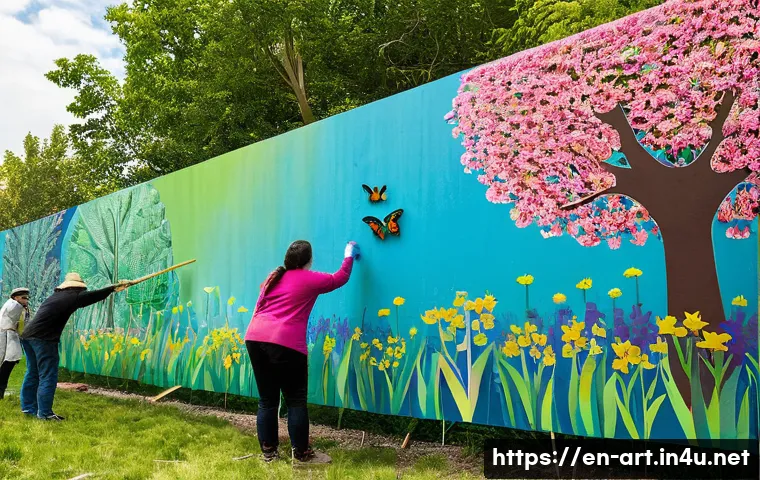
Another fantastic outcome I’ve observed is how sustainable art projects naturally build and strengthen communities. When artists, young or old, come together with a shared environmental vision, amazing things happen. I’ve been part of community mural projects where everyone, regardless of artistic skill, contributes to a piece that highlights local ecological beauty or a specific conservation need. There’s something incredibly unifying about working side-by-side, mixing natural paints, and collectively bringing a shared vision to life. It breaks down barriers, fosters collaboration, and creates a sense of collective ownership not just of the artwork, but of the message it carries. I remember one particular project where we transformed an abandoned lot into a vibrant community garden, complete with artistic installations made from salvaged materials. The process itself was a celebration of teamwork, and the finished space became a living, breathing testament to what a community can achieve when it rallies around a shared environmental purpose. It’s truly art acting as a social glue, binding people together with a common goal for a healthier planet.
Real-World Impact: Projects That Paint a Greener Tomorrow
It’s one thing to talk about sustainable art in theory, but seeing it manifest in real-world projects, making tangible differences, is where the rubber truly meets the road. I’m constantly on the lookout for innovative initiatives, and I’ve been incredibly impressed by the sheer variety and creativity of projects happening globally. These aren’t just one-off installations; they are often long-term endeavors that engage communities, educate the public, and even contribute to environmental restoration. I recall reading about an artist who used biodegradable pigments to create large-scale ephemeral land art, which, as it naturally faded, also nourished the soil. How cool is that? It completely redefines the idea of a lasting impact, showing that art can be both beautiful and regenerative. My personal takeaway from observing these projects is that they often start small, with a local issue, but their impact can ripple outwards, inspiring similar initiatives elsewhere. It’s about artists not just creating aesthetically pleasing works, but becoming active participants in ecological conversations and solutions, using their unique skills to bring about visible, positive change. It’s an incredibly exciting frontier, showing us how artistic expression can directly contribute to a more sustainable future.
| Sustainable Art Practice | Description & Benefits | Personal Insight/Tip |
|---|---|---|
| Using Found Objects | Transforms waste into art, reduces landfill burden, encourages creative problem-solving. | Start small: look for interesting textures/shapes in your recycling bin! You’ll be amazed. |
| Natural Pigments & Dyes | Eco-friendly alternative to synthetic colors, offers unique earthy palettes, minimizes chemical exposure. | Experiment with kitchen scraps like onion skins or tea bags for beautiful, unexpected hues. |
| Ephemeral Art | Art designed to degrade naturally over time, reducing permanent waste and engaging with natural cycles. | Focus on the process and the message; the impermanence adds a profound layer of meaning. |
| Community-Engaged Projects | Fosters collaboration, raises awareness for local issues, strengthens social bonds. | Connect with local environmental groups – they often have great ideas for public art collaborations. |
From Public Art to Ecological Restoration
One of the most powerful dimensions I’ve encountered is how public art is increasingly intertwined with ecological restoration efforts. It’s not just about a pretty mural anymore; it’s about art that actively participates in healing our environment. I’ve heard about incredible projects where artists collaborate with scientists and urban planners to design installations that also serve as habitats for local wildlife, or filtration systems for stormwater runoff. Imagine a sculptural garden that also helps clean the air or water! It feels like a beautiful synergy where aesthetics and function merge for the greater good. My own experience with a community garden project, where we integrated sculptures made from salvaged wood to attract pollinators, showed me just how powerful this combination can be. The art enhanced the beauty of the space, but it also contributed directly to the ecosystem’s health. It creates a dynamic, living artwork that evolves with nature, constantly reminding us of our connection to the environment. This kind of integration is truly inspiring, pushing the boundaries of what art can achieve in the public sphere.
Measuring the Ripple Effect: Beyond Aesthetics
It’s fascinating to think about how we measure the impact of sustainable art projects, moving beyond just their aesthetic appeal. I often find myself pondering the ripple effect these initiatives have, not just on the immediate environment but on the people who interact with them. For example, a public art installation made from ocean plastic doesn’t just look striking; it sparks conversations, educates passersby about marine pollution, and might even inspire them to reduce their own plastic consumption. I’ve seen projects that lead to real behavioral changes in communities. What I’ve learned is that the true measure of success often lies in these intangible outcomes: increased awareness, shifts in public perception, and a renewed sense of environmental stewardship. It’s about how many minds are opened, how many hearts are touched, and how many people are moved to act differently. This deeper understanding of impact makes the work of sustainable artists even more profound and incredibly vital for our collective future. It pushes us to think beyond what’s visually appealing and consider the lasting legacy of every piece we create.
The Sustainable Artist’s Blueprint: Thriving with Purpose
In the evolving landscape of the art world, I’ve observed a truly exciting trend: artists are not just embracing sustainability as a philosophy but are building thriving careers around it. This isn’t just a niche market anymore; it’s becoming a defining characteristic for many successful creatives. What I’ve personally discovered through my own explorations and conversations with fellow artists is that aligning your artistic practice with eco-conscious values actually opens up a wealth of opportunities, both creatively and commercially. Consumers and collectors are increasingly discerning, seeking out art that not only speaks to them aesthetically but also aligns with their personal values. They want to know the story behind the art, the journey of the materials, and the artist’s commitment to ethical practices. I’ve seen artists who specialize in natural dyes command premium prices, not just for their skill, but for the inherent story of sustainability embedded in their work. This shift feels incredibly empowering, demonstrating that you don’t have to compromise your values to succeed. In fact, it often enhances your authenticity and creates a deeper connection with your audience. It’s about finding that sweet spot where passion, purpose, and profit beautifully converge, creating a truly meaningful and sustainable career path.
Building a Brand with Green Credentials
One of the most potent strategies I’ve seen artists adopt is effectively building a brand with strong green credentials. It’s not just about making eco-friendly art; it’s about communicating that commitment clearly and authentically to your audience. This means being transparent about your materials, your processes, and your philosophy. I’ve found that when artists genuinely share their journey towards sustainability, people respond incredibly positively. It builds trust and a unique connection. Imagine an artist who meticulously documents how they source recycled materials, or another who shares the intricate process of making their own natural paints. This kind of storytelling isn’t just marketing; it’s part of the artwork’s narrative. It elevates the perceived value of their creations because it demonstrates not only artistic skill but also a profound ethical commitment. My personal advice here would be to embrace your sustainable journey fully, share the challenges and triumphs, and let your passion for the planet shine through every aspect of your brand. This authenticity is a powerful magnet for collectors who resonate with purpose-driven art, helping you carve out a distinct and respected place in the market.
Navigating the Market: Opportunities for Eco-Artists
Navigating the art market as an eco-artist can feel a bit like uncharted territory sometimes, but what I’ve observed is a growing number of incredible opportunities. Galleries and curators are actively seeking out sustainable work, recognizing its relevance and appeal to a contemporary audience. There are now dedicated eco-art exhibitions, grants specifically for environmentally conscious projects, and online platforms that champion sustainable artists. I remember talking to a gallery owner who told me that pieces with a strong sustainability narrative often sell faster because they carry a deeper meaning for the buyer. It’s not just about decorating a wall; it’s about investing in a statement, a philosophy. Furthermore, the corporate world is increasingly looking for artists who can create installations or pieces that reflect their own sustainability goals, opening up entirely new commissions. My own experience has taught me that networking within this specific niche is incredibly valuable; connecting with like-minded artists, galleries, and organizations can open doors you might not have even known existed. It feels like we are at the cusp of a beautiful artistic revolution, where creativity and conscience are finally being recognized as powerful, market-worthy assets.
Inspiring the Next Wave: Shaping Minds for a Greener Planet
It’s truly exhilarating to witness how art education is currently inspiring the next wave of environmental stewards and creative problem-solvers. For me, this is where the real long-term impact lies, shaping minds from an early age to view creativity not just as self-expression, but as a potent tool for planetary well-being. I’ve spent time visiting schools and community art centers where the curriculum explicitly encourages critical thinking about environmental issues through artistic lenses. It’s not about lecturing kids; it’s about providing them with opportunities to explore, question, and respond creatively to the world around them. When I see a group of children meticulously crafting sculptures from recycled materials, their faces alight with concentration and purpose, I feel a profound sense of hope. They aren’t just learning to glue and cut; they’re learning about resourcefulness, the interconnectedness of systems, and their own agency in making a difference. This type of hands-on, values-driven education is exactly what our future generations need to tackle the complex challenges ahead, equipping them with both innovative thinking and a deep, intrinsic motivation to protect our planet. It’s a beautifully holistic approach that truly integrates heart, hand, and mind.
Innovative Pedagogies: Teaching Beyond the Textbook
The innovation happening in pedagogies for sustainable art education is truly inspiring. Educators are moving way beyond the traditional textbook and lectures, embracing experiential learning that profoundly impacts students. I’ve seen teachers integrate field trips to local conservation areas, where students collect natural materials for art projects, or visits to recycling centers to understand the lifecycle of discarded items. These immersive experiences aren’t just engaging; they create powerful, lasting memories and build a tangible connection to the subject matter. One educator I spoke with shared how her students designed and built a miniature “eco-village” in their classroom using only reclaimed materials, learning about architecture, engineering, and sustainable living all through an art project. What I’ve personally felt when observing these classrooms is an incredible sense of active participation and genuine curiosity. It’s not about rote memorization; it’s about fostering an intrinsic motivation to learn and create with purpose. This kind of dynamic, hands-on teaching cultivates not just artists, but also critical thinkers, innovators, and active citizens ready to engage with the world’s most pressing issues.
Art as a Lifelong Advocacy Tool
What really resonates with me about this integrated approach is its potential to position art as a lifelong advocacy tool. It’s not just a phase in their education; it’s a mindset and skill set that students carry with them long after they leave the classroom. I firmly believe that once you’ve experienced the power of creating art that speaks to environmental issues, that seed of advocacy is planted deep within. I’ve personally seen former students, years later, still engaging in sustainable practices in their personal and professional lives, whether they pursue art professionally or not. They become conscious consumers, vocal advocates in their communities, and creative problem-solvers in their respective fields. This educational foundation instills a sense of responsibility and empowers them to use their creativity in whatever path they choose, to continue challenging norms and inspiring change. It’s a beautiful testament to how art education, when thoughtfully designed, can extend its influence far beyond the studio, shaping not just artists, but engaged and responsible global citizens for the rest of their lives.
Wrapping Things Up
Wow, what a journey we’ve had exploring the incredible evolution of art and sustainability! It truly warms my heart to see how our creative spaces are transforming, becoming powerful hubs for change and conscious creation. From my own studio experiments to countless inspiring conversations, it’s clear that this isn’t just a passing trend; it’s a profound shift in how we approach art, education, and our responsibility to the planet. I’ve personally felt a deeper connection to my work, knowing that every piece can carry a message of hope and action. It’s an exciting time to be an artist, isn’t it? To be part of something so meaningful, where our passion can genuinely contribute to a greener, more beautiful world. Keep creating, keep questioning, and keep inspiring!
Handy Tips for Your Eco-Creative Journey
Ready to dive deeper into the world of sustainable art? Here are some quick tips I’ve gathered from my own experiences and chats with other eco-artists that I think you’ll find super useful:
1. Start Small: You don’t need to overhaul your entire studio overnight. Begin by swapping out one or two traditional materials for eco-friendly alternatives. Maybe try making your own natural pigment watercolor for a project, or challenge yourself to create a piece solely from found objects you’ve collected on a walk. Every little step counts, and you’ll discover what works best for your unique artistic style without feeling overwhelmed.
2. Research Your Materials: Before you buy, take a moment to look into the lifecycle of your art supplies. Are those paints truly non-toxic? Is that paper recycled or sustainably sourced? I’ve found that a quick online search can reveal a wealth of information, helping you make informed choices that align with your values. It’s like being a detective for the planet, and it feels incredibly rewarding!
3. Join a Community: There’s a growing network of eco-conscious artists online and in local communities. Seek them out! I’ve personally found immense inspiration and practical advice from connecting with like-minded creators. Share your ideas, ask questions, and collaborate on projects. You’ll be amazed at the support and innovative thinking that comes from these connections.
4. Embrace Imperfection: When working with repurposed or natural materials, things might not always look “perfect” in the traditional sense, and that’s the beauty of it! I’ve learned to embrace the unique textures, subtle color variations, and inherent stories that these materials bring. It adds character and authenticity to your work, making each piece truly one-of-a-kind. It’s about celebrating the journey, not just the pristine outcome.
5. Educate Yourself Continuously: The field of sustainable art is constantly evolving with new innovations and techniques. Stay curious! Read articles, watch documentaries, attend workshops, or even try to forage for natural art supplies (responsibly, of course!). The more you learn, the more empowered you’ll feel to experiment and push the boundaries of what’s possible in your eco-creative practice. Never stop exploring!
Key Takeaways for the Conscious Creator
As we wrap up our conversation, I really want to emphasize a few core ideas that have truly shaped my perspective on art and its potential. First, art is no longer just about personal expression; it’s a powerful, tangible catalyst for environmental awareness and action. What I’ve personally witnessed, through countless inspiring projects and conversations, is how deeply art can connect us to critical global issues, sparking vital dialogues and fostering empathy across communities. Second, embracing sustainable materials and practices isn’t a limitation; it’s a doorway to incredible innovation and authenticity. Trust me, I was a bit skeptical at first, but experimenting with natural pigments and repurposed objects has opened up entirely new creative dimensions for me, adding layers of meaning to every piece. Finally, and perhaps most importantly, by integrating eco-consciousness into our creative process and education, we are actively nurturing a generation of thoughtful, resourceful, and passionate advocates for a greener planet. This is the heart of what it means to be a conscious creator: to not only make beautiful things but to use our unique artistic voice to inspire positive, lasting change for our shared future.
Frequently Asked Questions (FAQ) 📖
Q: Why is integrating sustainability into art education so crucial right now, and how does it truly impact students’ creative development?
A: You know, it’s not just a buzzword anymore – it’s an absolute necessity. I’ve personally seen how weaving sustainability into the very fabric of art education completely transforms the learning experience.
For starters, it makes art incredibly relevant to the real world we live in. Young artists today are grappling with climate change, resource depletion, and global challenges, and when their art curriculum acknowledges these issues, it gives their work a profound sense of purpose.
It’s not just about learning techniques; it’s about using those techniques to tell vital stories and propose solutions. Creatively, it’s a game-changer.
When students are encouraged to think about using reclaimed materials, exploring natural pigments, or even designing art installations that highlight environmental issues, it pushes them out of conventional comfort zones.
They learn innovative problem-solving, resourcefulness, and develop a deeper connection to the materials they use and their origins. I’ve witnessed students create truly stunning pieces from what others considered trash, and the pride and ingenuity behind those projects are just breathtaking.
This approach fosters a unique kind of imaginative thinking that’s deeply rooted in responsibility, making their art not just beautiful, but also impactful and meaningful.
Q: What are some practical ways art educators and students can incorporate eco-conscious practices into their daily art-making without feeling overwhelmed?
A: That’s a fantastic question, and one I get asked a lot! It doesn’t have to be a huge overhaul overnight. I’ve found that starting small and building up makes it much more manageable and enjoyable.
For educators, it could be as simple as dedicating a “recycled materials” corner in the classroom where students can bring in cardboard, plastic bottles, old textiles, or even natural elements like leaves and twigs.
Encourage projects that utilize these items. Another great tip is exploring natural dyes and pigments – think about how much vibrant color you can get from avocado pits, onion skins, or even turmeric!
It’s a wonderful scientific and artistic exploration. For students, it’s about shifting your mindset. Before you buy new supplies, ask yourself: Can I repurpose something I already have?
Can I find a sustainable alternative? I’ve personally experimented with making my own sketchbooks from discarded paper and it’s surprisingly satisfying!
We can also be mindful of our waste – cleaning brushes with less water, using non-toxic glues, and properly disposing of any hazardous materials. It’s about cultivating a habit of conscious creation, and trust me, once you start, you’ll discover endless creative possibilities that are kind to the planet.
Q: Beyond the classroom, how can young artists truly become advocates for a greener future through their artwork and make a tangible difference?
A: Oh, this is where the magic really happens, isn’t it? Art has this incredible power to communicate, to evoke emotion, and to spark dialogue in ways that words often can’t.
For young artists passionate about a greener future, their artwork can be a powerful voice. I truly believe that every piece they create with an eco-conscious message, no matter how small, contributes to a larger conversation.
Think about creating pieces for local community art shows that highlight specific environmental issues in your area, like plastic pollution in a nearby river or the importance of preserving local wildlife.
Participating in public art installations or murals that carry a green message can reach a huge audience and truly get people thinking. And don’t underestimate the power of digital platforms!
Sharing your eco-art on Instagram, TikTok, or a personal blog can inspire countless others, creating a ripple effect of awareness and action. I’ve seen artists use their platforms to educate their followers about sustainable materials, share tips for eco-friendly art practices, and even collaborate with environmental organizations.
It’s about being authentic, telling your story, and letting your passion for art and the planet shine through every stroke and pixel. Your art isn’t just a personal expression; it’s a statement, a call to action, and a beautiful testament to the future you envision.