The Secret Language of Hues How Color Psychology Can Transform Your Art

webmaster

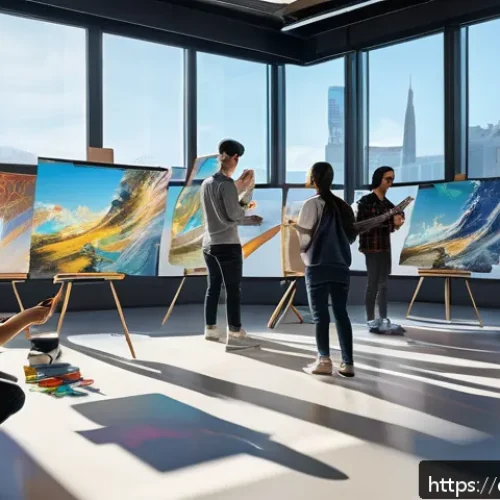
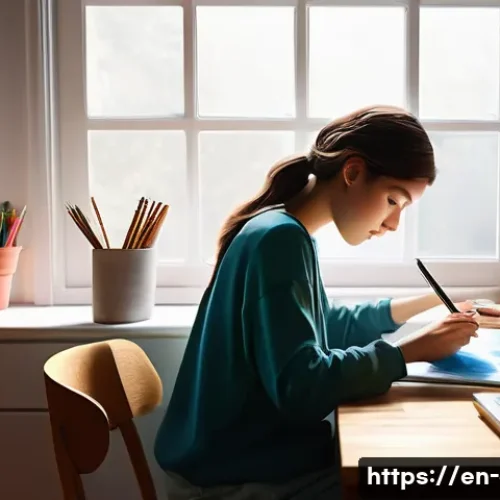
미술과 색채 심리학 - **Prompt: "The Vibrant Energy of a Creative Workspace"**
    A bright and modern creative studio spa...

Have you ever walked into a gallery and felt an immediate pull towards a particular piece, or noticed how certain colors just lift your spirits, no matter what?

미술과 색채 심리학 관련 이미지 1

I know I have, countless times. It’s more than just a fleeting feeling; there’s a profound, often subconscious, dialogue happening between our minds and the hues around us.

As someone who’s spent years observing and creating, I’ve come to realize that the silent language of color isn’t just an artistic tool; it’s a powerful force shaping our emotions, influencing our choices in everything from home decor to brand perception, and even predicting mood trends in digital spaces.

Understanding this vibrant connection between art and the very fabric of our emotional well-being is truly transformative. So, if you’re ready to unlock the secrets behind why you feel what you feel when you see what you see, let’s dive right in and uncover the precise power of art and color psychology.

The Spectrum of Emotion: Decoding Color’s Inner Language

I’ve always been fascinated by how a simple splash of color can completely alter a room, a mood, or even an entire day. It’s like colors whisper secrets to our subconscious, and we respond without even realizing it.

Think about it: when you step into a bright yellow kitchen, don’t you feel a little burst of sunshine, even on a cloudy day? Or how a deep, calming blue in a bedroom just invites relaxation?

For me, it’s more than just aesthetics; it’s a profound, almost mystical connection that we share with the chromatic world. I’ve spent countless hours observing how people react to different palettes, and honestly, the consistency is mind-boggling.

It tells me that this isn’t just arbitrary preference; there’s a universal language at play, deeply rooted in our psychology and even our biology. Understanding this language allows us to intentionally craft environments, experiences, and even personal vibes that resonate with our inner desires.

It’s like having a secret key to unlock specific emotional responses, both in ourselves and in those around us. This isn’t about being manipulative, but about creating harmony and impact through thoughtful application.

Warm Hues and Fiery Feelings

There’s something undeniably captivating about warm colors, isn’t there? Reds, oranges, yellows—they just scream energy and passion. I remember once painting my home office a vibrant orange.

While it certainly energized me, I quickly learned it was *too* much for focused, calm work. It felt like I was constantly on the go! This personal experience really hammered home how powerful these hues are.

Red, for instance, often symbolizes love, passion, and excitement, but also warning and anger. It’s a double-edged sword, capable of igniting romance or signaling danger.

Orange, a mix of red and yellow, often brings feelings of enthusiasm, warmth, and creativity. It’s less aggressive than red, more inviting, and often associated with fun and adventure.

Yellow, oh bright yellow! It’s the color of sunshine, happiness, and optimism. I’ve found it’s fantastic for areas where you want to spark joy and conversation, but too much can also lead to feelings of anxiety or agitation.

It’s a delicate balance, much like life itself. These colors draw the eye, stimulate conversation, and can really get our hearts pumping, which is why they’re so effective in advertising and art that aims to grab attention immediately.

Cool Tones and Calm Reflections

On the flip side, we have the cool colors: blues, greens, and purples. These are the shades I often gravitate towards when I need a moment of peace and reflection.

They have this incredible ability to soothe and bring a sense of tranquility. Blue, my personal favorite, often evokes feelings of trust, serenity, and stability.

It’s no wonder so many corporate logos use blue—they want to convey reliability! For me, a deep blue ocean or a clear blue sky brings an instant sense of calm.

Green, the color of nature, growth, and renewal, is incredibly grounding. I’ve noticed that environments rich in green elements—whether actual plants or green decor—tend to make people feel more balanced and refreshed.

It’s a fantastic choice for spaces where you want to foster concentration and reduce stress. Purple, a fascinating blend of the fiery red and calming blue, often represents luxury, creativity, and wisdom.

It can feel majestic and spiritual, but also a bit mysterious. I once visited an art exhibit where a room was bathed in deep purple light, and it felt incredibly immersive and thought-provoking.

These cool tones tend to lower our heart rate and encourage contemplation, making them perfect for bedrooms, meditation spaces, or even just when you need a visual escape from the hustle and bustle.

More Than Meets the Eye: How Colors Dictate Our Decisions

It’s not just about how colors make us feel; it’s also about how they subtly nudge our choices. From the cereal box you pick up at the grocery store to the “Buy Now” button on your favorite online shop, colors are working overtime to influence your behavior.

I’ve personally seen how a small change in a button’s hue can significantly impact whether someone clicks or scrolls past. This isn’t some grand conspiracy; it’s a deeply ingrained psychological response that marketers and designers have been leveraging for decades.

It’s truly fascinating to peel back the layers and see the strategic thought behind every shade and tint we encounter daily. The unspoken language of color is constantly communicating with us, guiding our gaze, and shaping our perceptions, often without us ever realizing the powerful strings being pulled.

This understanding has completely changed how I look at advertisements and product packaging – now I see the careful crafting behind every visual choice.

The Psychology Behind Your Favorite Brands

Have you ever stopped to think why certain brands use the colors they do? It’s no accident, believe me! When I started digging into brand psychology, it blew my mind how intentional every color choice is.

Coca-Cola’s iconic red? It’s about energy, excitement, and a little bit of urgency – perfect for a refreshing, on-the-go drink. McDonald’s uses red and yellow, a vibrant combo designed to stimulate appetite and create a sense of urgency, getting you in and out.

Then there’s Starbucks with its calming green, signifying nature, growth, and a serene, quality experience. Financial institutions often lean on blue to convey trust, security, and stability.

I mean, would you trust your money with a bank whose logo was bright, chaotic orange and pink? Probably not! Every hue is carefully selected to evoke a specific emotional response and association, building a brand identity that resonates deeply with its target audience.

It’s like painting a picture of their values directly onto our minds, helping us form quick judgments and connections.

Home Sweet Hue: Decorating for Wellness

And it’s not just big corporations playing this game. We unconsciously do it in our own homes every single day. I’ve definitely learned this through trial and error!

When I first moved into my current place, I wanted a very minimalist, stark white living room. While it looked clean, after a few months, I realized it felt a bit sterile and unwelcoming.

It wasn’t until I introduced warmer tones – a soft yellow throw, some earthy green plants, and a deep blue accent wall – that the room truly came alive and felt like “home.” Decorating with color is a powerful way to shape the atmosphere and promote wellness.

Want a calming bedroom? Soft blues, greens, or lavenders are your best friends. Need an inspiring workspace?

Perhaps a touch of energizing yellow or a focus-inducing green. Even small pops of color in cushions, artwork, or textiles can completely transform the energy of a space.

It’s about creating an environment that supports your emotional well-being, turning your home into a sanctuary that genuinely reflects and nurtures you.

It’s a journey of discovery, finding the perfect palette that sings to your soul.

Advertisement

The Artist’s Secret Weapon: Crafting Atmosphere with Pigment

As someone who’s tinkered with brushes and canvases (mostly just for fun, I confess!), I’ve always been in awe of how artists wield color to create not just images, but entire emotional landscapes.

It’s their most potent secret weapon, really. A painter can make you feel the biting cold of a winter storm with icy blues and grays, or the scorching heat of a desert sun with vibrant reds and oranges, all without you ever feeling a single temperature change.

This mastery isn’t just about mixing pigments; it’s about understanding the deep-seated psychological triggers associated with each shade. When I visit a gallery, I don’t just see the artwork; I *feel* it.

The colors tell a story, evoke a memory, or stir an emotion that words often can’t capture. It’s a silent symphony where each hue plays a crucial note in the overall composition, guiding your eye and heart through the narrative the artist intends.

This intricate dance between pigment and perception is what truly elevates art from mere decoration to a profound experience.

From Canvas to Client: The Power of Intentional Color

It’s not just fine artists, either. Graphic designers, interior decorators, filmmakers, and even web developers are all masters of this craft. They’re not just picking pretty colors; they’re making highly intentional choices to achieve a specific effect.

Think about movie posters: a horror film often uses dark, desaturated blues and grays, perhaps with a menacing splash of red. A romantic comedy, on the other hand, will likely be bright, warm, and inviting with pastel pinks, yellows, and light blues.

These choices aren’t random; they’re calculated to set the mood and attract the right audience from a single glance. In branding, a company’s color palette is meticulously crafted to convey its core values and personality.

It’s a visual shorthand that instantly communicates professionalism, playfulness, luxury, or affordability. I’ve often seen how a client’s initial color preference, based purely on personal taste, actually works *against* their business goals.

Guiding them towards a more strategically aligned palette can be a game-changer for their entire brand perception.

Finding Your Personal Color Story

Beyond commercial applications, understanding this artistic intentionality can empower us in our daily lives. I’ve found that consciously choosing colors, whether in my wardrobe, my digital wallpaper, or even the food I prepare, can profoundly influence my personal narrative.

Do I need a boost of confidence for a big meeting? I might wear something with a touch of power red or stable navy blue. Am I craving a day of creativity and introspection?

Perhaps I’ll surround myself with calming greens and imaginative purples. It’s about creating your own personal color story, a palette that reflects your aspirations, your current mood, and the energy you want to project or absorb.

This isn’t just superficial; it’s a way to engage with the world more mindfully, using color as a tool for self-expression and emotional regulation. It’s like having your own personal superpower, activated by nothing more than a thoughtful splash of hue.

Navigating the Digital Rainbow: Color Trends in the Modern World

The digital realm has opened up entirely new frontiers for color psychology. Screens are our windows to the world, and the colors we see there are constantly shaping our perceptions, influencing our clicks, and even subtly dictating our online moods.

I’ve noticed a fascinating evolution in digital aesthetics over the past few years, from the bright, almost chaotic early internet days to the sleeker, more sophisticated palettes we see today.

It’s a continuous dance between what’s visually appealing, what’s functionally effective, and what culturally resonates. This isn’t just about making things look good; it’s about creating an intuitive and emotionally responsive user experience that keeps people engaged.

The speed at which digital trends shift also means that designers and content creators are constantly adapting, trying to stay ahead of the curve and understand the next big wave of chromatic influence.

It’s a dynamic and exciting space where creativity meets psychology in a very tangible way.

UX and UI: Engineering Emotions Online

User Experience (UX) and User Interface (UI) design are practically built on the principles of color psychology. Every button, every text link, every background shade is chosen to guide your eye and prompt a specific action.

I’ve heard countless anecdotes from fellow bloggers about A/B testing different button colors and seeing wild swings in conversion rates. A call-to-action button in a vibrant orange might significantly outperform a subdued blue one on certain sites, simply because orange often signals excitement and urgency.

On the other hand, a calming blue might be perfect for a health and wellness app, conveying trust and tranquility. Accessibility is another huge factor; ensuring sufficient color contrast isn’t just good design, it’s essential for everyone to navigate and understand the content.

It’s about more than just aesthetics; it’s about engineering a seamless and emotionally resonant journey for the user, making every digital interaction feel intuitive and effective.

The Shifting Tides of Digital Aesthetics

Digital color trends are constantly evolving, much like fashion. A few years ago, we saw a lot of flat design with bold, vibrant colors. Now, there’s a definite move towards softer gradients, more muted tones, and a greater emphasis on natural, earthy palettes, often coupled with dark mode options.

I’ve personally found myself appreciating the shift to more organic and gentle color schemes; it feels less overwhelming and more harmonious. This evolution is driven by a combination of technological advancements, cultural shifts, and a collective desire for digital spaces that feel more comfortable and less jarring.

미술과 색채 심리학 관련 이미지 2

Brands are quick to adopt these trends, understanding that staying current with visual aesthetics helps them remain relevant and relatable to their audience.

It’s a fascinating reflection of our collective consciousness, manifest in the digital hues that populate our screens and shape our online lives.

Advertisement

Beyond Aesthetics: Practical Applications of Color Psychology

While we often think of color in terms of beauty and design, its influence stretches far beyond mere aesthetics. Color psychology has very real, very practical applications that can impact everything from our productivity to our overall sense of well-being.

I’ve personally experimented with various color schemes in my workspace and seen firsthand how a simple change can either hinder my focus or elevate my energy levels.

It’s not just about what looks good; it’s about what *works* for you. Understanding these principles means we can intentionally craft environments and even personal routines that support our goals, whether it’s reducing stress, boosting creativity, or simply feeling more grounded throughout the day.

This is where the magic truly happens, transforming abstract knowledge into tangible, beneficial outcomes in our everyday lives.

Boosting Productivity Through Palette Choices

If you’re anything like me, you’re always looking for ways to squeeze more productivity out of your day. And guess what? Color can be a secret weapon!

I once read about how certain shades of green can help reduce eye strain and improve concentration, and since then, I’ve incorporated more green elements into my office.

Whether it’s a strategically placed plant or a green-tinted screen filter, I genuinely feel a difference in my ability to stay focused for longer periods.

Blues are also excellent for fostering productivity, especially for tasks that require logic and clear thinking, as they promote a sense of calm and clarity.

However, if you need a burst of creative energy or want to stimulate quick decision-making, a pop of orange or yellow in your immediate vicinity might do the trick.

The key is to find the balance that works for *your* specific tasks and personality. It’s all about creating an environment that acts as a silent cheerleader for your efforts.

Color as a Tool for Healing and Focus

Beyond just productivity, color has long been associated with various forms of healing and therapeutic practices. While not a substitute for professional medical advice, the psychological effects of color can certainly contribute to a sense of well-being.

Think about chromotherapy, an ancient practice that uses colors to balance energy. Even without delving into ancient traditions, simply being mindful of the colors in your environment can be incredibly impactful.

Soft pinks and blues, for instance, are often used in healthcare settings to create a soothing and non-threatening atmosphere. For personal focus, I’ve found that even small things like using a specific color pen for certain tasks, or having a particular colored mug for my morning coffee, can help set an intention for my day.

It’s a gentle, subtle way to guide your mind and emotions, harnessing the inherent power of hues to promote a more centered and balanced state of being.

Color Common Emotional Associations Practical Application/Impact
Red Passion, Energy, Urgency, Danger Stimulates appetite, increases heart rate, grabs attention (sales, warnings), signifies love.
Blue Trust, Serenity, Stability, Sadness Promotes calm, conveys professionalism (finance, tech), often used for bedrooms or corporate branding.
Yellow Happiness, Optimism, Caution, Anxiety Evokes cheerfulness, stimulates creativity, used for warnings, playful brands, or to uplift spirits.
Green Nature, Growth, Harmony, Envy Reduces stress, improves concentration, associated with health, wealth, and environmental causes.
Orange Enthusiasm, Warmth, Creativity, Friendliness Stimulates social interaction, encourages action (CTAs), often used for youth-oriented brands or hospitality.
Purple Luxury, Creativity, Wisdom, Mystery Conveys sophistication, encourages introspection, popular in beauty and high-end products.

My Journey Through Hues: Personal Reflections on Color

It’s easy to talk about color psychology in abstract terms, but where it truly comes alive for me is in my own personal experiences. Over the years, I’ve developed this almost sixth sense for how colors impact *me*, not just generally.

It’s like certain shades resonate with different chapters of my life, holding memories, feelings, and even aspirations within their depths. This isn’t just academic for me; it’s a living, breathing connection that constantly evolves.

I remember a period of intense creative output where my entire workspace was bathed in vibrant blues and purples – colors that, for me, unlock a sense of imaginative freedom.

Then, during a time when I needed more grounding, I found myself drawn to earthy greens and warm, muted browns. It’s a very personal dance, finding the palette that truly supports you in the moment.

When a Color Just *Gets* You

You know that feeling when you see a piece of art, or even just a particularly striking outfit, and a color just *hits* you? It’s like it speaks directly to your soul.

For me, that’s often a deep, oceanic teal. It’s not just blue, and it’s not just green; it’s this perfect blend that evokes a sense of both tranquility and adventure.

I remember discovering a painting in a small gallery years ago, predominantly in this exact shade, and I spent what felt like an eternity just gazing at it, feeling an inexplicable sense of peace and inspiration.

It was as if the artist had captured a piece of my own inner landscape. These moments are profound because they highlight how deeply ingrained our connections to color are, often bypassing conscious thought entirely.

It’s a reminder that beauty and emotion are intrinsically linked, and color is often the silent messenger bridging that gap.

The Unexpected Comfort of a Familiar Shade

Sometimes, it’s not the dramatic, vibrant hues that make the biggest impact, but the quiet comfort of a familiar shade. For me, that’s the soft, almost muted gray-blue of an overcast sky right before rain.

It might sound a bit melancholic to some, but to me, it brings an immense sense of calm and introspection. It’s the color of cozy sweaters, a quiet afternoon with a book, and thoughtful reflection.

I’ve often found myself seeking out clothing or decor in this specific shade when I feel overwhelmed or simply need to retreat into myself for a bit. There’s a profound sense of psychological safety in these personal comfort colors.

They’re like visual anchors that ground us, reminding us of quiet moments and inner peace. It’s a beautiful testament to how color can serve not just as an outward expression, but as a deeply personal source of solace and emotional regulation.

Advertisement

The Everyday Magic: Observing Color’s Subtle Influence

Once you start paying attention, the subtle magic of color is everywhere, influencing us in ways we rarely consider. It’s not just in galleries or carefully curated brand campaigns; it’s in the cereal box on your breakfast table, the traffic light at the intersection, and even the clothes your neighbor wears.

I’ve developed this habit of consciously noticing the colors around me throughout my day, and it’s truly transformative. It’s like unlocking a secret layer of perception.

I find myself asking: “Why did I choose this red shirt today? Am I feeling particularly energetic, or do I *want* to feel more so?” Or, “Why does this coffee shop feel so welcoming?

Ah, it’s the warm, earthy tones and soft lighting!” This mindful observation has made me much more attuned to my own emotional responses and how I can subtly shift my environment to better support my mood.

From Your Wardrobe to Your Morning Coffee

Think about your wardrobe. What colors do you instinctively reach for on a bright, sunny day versus a gloomy, rainy one? I know I tend to gravitate towards brighter, more vibrant colors when I’m feeling upbeat and want to project that energy, and perhaps more subdued, comforting tones when I need to feel grounded or less conspicuous.

It’s a form of self-expression, a non-verbal cue we send to the world and to ourselves. Even your morning coffee ritual can be influenced by color! Does that vibrant yellow mug make your morning brew taste a little bit happier, or does a deep, matte black mug make it feel more sophisticated?

These aren’t just silly thoughts; they’re genuine psychological connections we make. These small, everyday interactions with color accumulate, subtly shaping our day-to-day experiences and emotional landscapes.

It’s amazing how much power lies in these seemingly insignificant choices.

Noticing the Nuances: A Path to Deeper Connection

The beauty of truly understanding color psychology isn’t just about applying it; it’s about *noticing* it. It’s about becoming more aware of the nuances, the slight shifts in hue that can evoke entirely different feelings.

A cool blue might be calming, but a dusty, desaturated blue can feel nostalgic or even melancholic. A vibrant red is passionate, but a deep, rich burgundy feels luxurious and mature.

By honing this observational skill, we develop a deeper connection not only to the visual world around us but also to our own inner emotional states. It empowers us to make more conscious choices about the environments we create, the products we buy, and even the way we present ourselves.

It’s an ongoing journey of discovery, where every new shade or unexpected combination reveals another facet of the incredible, silent language that colors speak to our very souls.

Closing Thoughts

As we wrap up this colorful journey, I truly hope you’ve gained a fresh perspective on the silent yet profound influence colors wield over our lives. It’s been an incredible exploration for me, both personally and professionally, and I find myself constantly seeing the world through a more vibrant, intentional lens. Remember, understanding color isn’t just for artists or marketers; it’s a powerful tool for self-awareness and for thoughtfully shaping the environments that surround us. So, next time you choose an outfit, decorate a room, or even just pause to admire a sunset, consider the unspoken story those hues are telling.

Advertisement

Useful Information to Keep in Mind

1. When designing a personal workspace, consider incorporating shades of green or blue to enhance focus and reduce eye strain, especially during long hours in front of a screen. I’ve found a soft sage green often helps keep me grounded and productive.

2. For social spaces in your home, like living rooms or dining areas, don’t shy away from warmer tones like soft oranges or gentle yellows. These colors can naturally encourage conversation and create a more inviting, energetic atmosphere for guests.

3. If you’re struggling with decision fatigue online, pay attention to the colors of “Call to Action” buttons. Vibrant reds or oranges are often used to create a sense of urgency, while blues might suggest trust and reliability for longer commitments. It’s fascinating how a simple color can nudge your choices!

4. Don’t underestimate the power of contrast. In both digital and physical design, good color contrast ensures readability and accessibility, making your content or space welcoming for everyone. Always check if your chosen palette provides enough distinction.

5. Experiment with your wardrobe! I’ve learned that dressing in colors that align with how I want to feel that day can significantly impact my mood and confidence. Feeling sluggish? A bright top might just give you the boost you need!

Key Takeaways

Color is far more than just aesthetics; it’s a fundamental psychological influencer, subtly shaping our emotions, decisions, and perceptions every single day. Warm colors like reds and oranges typically ignite energy and passion, while cool tones such as blues and greens foster calm and focus. Brands strategically leverage specific palettes to convey values and influence consumer behavior, a practice we can adopt in our own homes and personal lives to create environments that support our well-being. Furthermore, the digital realm continually evolves with color trends, with UX/UI designers meticulously engineering emotional responses through screen aesthetics. By consciously observing and understanding the language of color, we gain a powerful tool for self-expression, emotional regulation, and for crafting spaces that truly resonate with our inner selves, making our everyday experiences richer and more intentional.

Frequently Asked Questions (FAQ) 📖

Q: Beyond just making things look pretty, how do specific colors genuinely impact our emotions and influence the choices we make every single day?

A: Oh, this is such a fantastic question and one I get asked all the time! It’s wild how colors silently steer our ship, isn’t it? From my own experience, I’ve noticed that it’s far more than just aesthetics.
Take red, for instance. Whenever I see a vibrant red, whether it’s a “sale” sign or a sports car, I feel an immediate jolt of energy, a rush of excitement, sometimes even a touch of urgency.
That’s because red is often associated with passion, urgency, and even a bit of danger, which can make us act impulsively or feel more stimulated. Then there’s blue.
Whenever I’m stressed or need to focus, I find myself drawn to blue-hued spaces or even just looking at a clear sky. It’s a calming presence, isn’t it?
Blue often brings a sense of peace, stability, and trust, which is why you see it so much in corporate branding or healthcare settings. And green? For me, green always brings a feeling of renewal and balance.
After a long week, a walk in the park surrounded by lush greenery is my go-to for de-stressing. It taps into our subconscious connection with nature, growth, and harmony.
When you start paying attention, you’ll see how brands leverage this – think about the calming greens in wellness products or the vibrant yellows in fast-food logos designed to evoke happiness and hunger.
It’s truly a masterclass in silent persuasion!

Q: Is color psychology truly a scientific field with measurable effects, or is it more of a subjective, artistic interpretation that varies greatly from person to person?

A: That’s a really insightful question, and honestly, it’s a bit of both, but with a significant scientific backbone! When I first started digging into this, I was skeptical too, thinking it was just “woo-woo” art talk.
But the more I researched and observed, the clearer it became that while individual experiences can certainly add a unique layer, there’s a strong, measurable physiological and psychological basis for how colors affect us.
Scientists have conducted countless studies on how different wavelengths of light – which is essentially what color is – can influence everything from our heart rate and blood pressure to our mood and cognitive performance.
For example, studies have shown that subjects exposed to red light can experience increased heart rates, while blue light can have a calming effect. It’s not just feelings; it’s our bodies responding!
Of course, culture plays a huge role; what symbolizes mourning in one culture might signify purity in another. But many core reactions, like the calming effect of natural greens or the energizing buzz of bright yellows, seem to transcend cultural boundaries to a certain extent.
My own journey as a creator has shown me that while individual responses are real, there are undeniable patterns that science helps us understand. So, yes, while there’s an artistic interpretation, it’s firmly rooted in psychological principles that have been tested and observed.

Q: Beyond just decorating my home or picking out an outfit, how can I practically apply the principles of color psychology to truly improve my well-being, productivity, or even my relationships?

A: This is where the magic really happens, and it’s a question I love because it moves beyond theory into real-world application! I’ve personally found that consciously using color can be a powerful tool.
For instance, if I’m feeling a bit sluggish in the mornings, I make an effort to wear something bright, like a cheerful yellow or a vibrant orange. It’s not just about looking good; that pop of color genuinely helps to lift my spirits and inject a bit more energy into my day.
In my workspace, I’ve incorporated elements of green and blue – a small plant here, a blue pen holder there – because I’ve found it significantly helps me maintain focus and reduce stress during intense work sessions.
I also recommend thinking about the colors in your digital life. If you find certain apps or websites feel overwhelming, perhaps it’s their color scheme contributing to that.
You can even experiment with your phone’s night mode or color filters to see if a warmer tone in the evenings helps you wind down. Another personal tip: when I’m trying to foster a calm atmosphere for conversations, I lean towards softer, warmer tones in my environment.
It’s amazing how a subtle shift in lighting or a throw pillow can change the entire vibe of a room and, consequently, the mood of the people in it. It’s all about intentionality.
Start small, observe how different colors make you feel, and then strategically integrate them into your daily life to cultivate the emotions and outcomes you desire.
It’s like having a secret superpower right at your fingertips!

Advertisement