Hey there, art lovers and curious minds! Have you ever wondered how a splash of vibrant color or a thought-provoking sculpture could do more than just sit pretty on a pedestal?
Or perhaps you’ve felt that deep-seated desire to express yourself, but weren’t quite sure where to begin beyond the traditional confines of a classroom?
You’re definitely not alone in that feeling! I’ve personally seen a massive shift happening, where art education and participatory art are totally shaking up the scene, transforming passive observation into active, hands-on engagement, and bringing communities together one brushstroke, one spoken word, one shared experience at a time.
It’s been incredibly inspiring to witness firsthand how these dynamic fields are not just about teaching techniques, but about empowering individuals and fostering connection in ways I never imagined.
In today’s fast-paced world, it’s easy to feel disconnected or overwhelmed. But I’m noticing a powerful trend where art is stepping up as a vital tool for mental wellness, community building, and even sparking social change.
Forget the stuffy art galleries of yesteryear; we’re talking about vibrant public murals created by locals, workshops in unexpected places, and digital platforms democratizing creativity for everyone.
My take? This isn’t just a passing fad. This movement towards making art accessible and collaborative is genuinely reshaping how we learn, interact, and even heal.
We’re seeing everything from art therapy integrated into healthcare to massive community projects that transform urban spaces, making art a living, breathing part of our everyday lives.
It truly feels like we’re on the cusp of an art renaissance where everyone has a seat at the creative table. So, ready to dive deeper into this exciting evolution and see how you can get involved or even just better appreciate the magic happening around us?
Let’s absolutely unravel this fascinating world, together.
Unlocking Creativity Beyond the Classroom Walls

It used to feel like art was something reserved for a select few, those with innate talent or access to expensive academies. I remember feeling a bit stifled in formal art classes, constantly worried about “getting it right” rather than just letting loose and exploring.
But I’ve personally seen a profound shift, where the walls of traditional art education are crumbling, and creativity is truly breaking free. This isn’t just about learning techniques anymore; it’s about nurturing an innate human need to express and connect, often in the most unconventional and liberating ways.
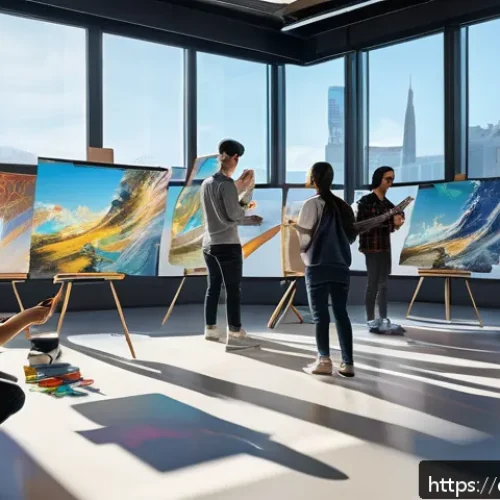
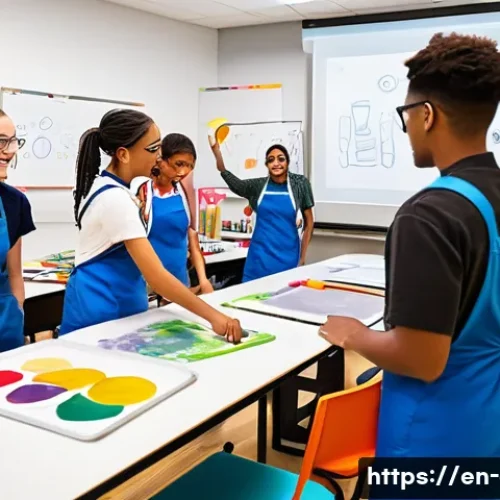
We’re seeing everything from pop-up workshops in unexpected urban spaces to community-led initiatives that transform dull public areas into vibrant showcases of local talent.
It’s incredibly refreshing to witness this democratization of art, moving it from the pedestal to the people, and making it an accessible, joyful pursuit for anyone who feels the urge to create.
The best part? There’s no right or wrong way to start, just a blank canvas waiting for your unique story to unfold.
The Joy of Experimentation
Forget the fear of making mistakes; this new wave of art engagement is all about diving in headfirst and seeing what happens. I’ve found that some of my most fulfilling creative experiences have come from just playing around, mixing colors without a plan, or trying out a new medium I knew absolutely nothing about.
It’s in those moments of uninhibited experimentation that true discovery happens, not just about the art itself, but about your own capacity for innovation.
Think about it – some of the most iconic pieces of art started with an artist simply daring to be different, to break a rule, or to try a completely new approach.
This openness to process over product is a huge part of what makes contemporary art education so appealing to so many of us who might have felt intimidated before.
Finding Your Creative Tribe
One of the most powerful aspects I’ve discovered in this journey is the incredible sense of community that forms around shared creative endeavors. Whether it’s an online sketching challenge or a local pottery studio, connecting with others who are also on their creative paths is truly invigorating.
I’ve personally joined several online art groups, and the support, feedback, and sheer inspiration you get from fellow artists, regardless of their skill level, is invaluable.
It’s a wonderful reminder that art isn’t just a solitary pursuit; it’s a language we can all speak, a way to bond, and a fantastic avenue for collective growth.
This shared experience often leads to unexpected collaborations and lifelong friendships, enriching not just our artistic lives but our personal lives as well.
Art as a Healer: Nurturing Mental Wellness Through Expression
In our increasingly fast-paced and often overwhelming world, finding moments of calm and self-reflection can feel like a luxury. However, I’ve genuinely noticed how art is emerging as an incredibly potent tool for mental wellness, offering a sanctuary where you can process emotions, reduce stress, and simply be present.
It’s not about producing a masterpiece; it’s about the therapeutic process itself. I’ve personally turned to painting or even just doodling during particularly stressful times, and I can tell you, the act of focusing on colors, textures, and lines can be incredibly grounding.
It’s a form of active meditation that allows your mind to quiet down, providing a much-needed break from the constant chatter of daily life. Art therapy, in its more formalized structure, is doing wonders, but even just picking up a pen and paper can be profoundly beneficial.
Brushstrokes of Calm: Art for Stress Relief
There’s something uniquely calming about the rhythmic motion of a paintbrush, the tactile sensation of clay, or the focused attention required for intricate drawing.
I’ve often found myself losing track of time, completely immersed in a creative project, and when I emerge, I feel a sense of clarity and lightness that few other activities provide.
It’s a powerful antidote to anxiety, allowing you to channel nervous energy into something tangible and beautiful. Many people I know, including myself, have incorporated creative outlets into their regular self-care routines, recognizing that these activities offer a much-needed emotional release and a healthy way to cope with life’s demands.
It’s not just a hobby; it’s a vital component of holistic well-being.
Expressing the Unspoken
Sometimes, words just aren’t enough to convey the depth of our emotions or experiences. This is where art truly shines, offering a non-verbal language that can express the inexpressible.
I’ve personally used art to explore feelings I struggled to articulate, and it’s been incredibly cathartic. Whether it’s joy, grief, anger, or confusion, translating those internal states into visual forms can provide profound insights and a sense of understanding.
It’s a safe space to explore the messy parts of being human without judgment. For many, this ability to externalize and visualize internal struggles through art is a crucial step in healing and self-discovery, allowing for a perspective that simply isn’t accessible through purely verbal means.
Building Bridges: How Community Art Projects Unite Us
I’ve always been fascinated by how art can bring people together, transcending differences and fostering a shared sense of purpose. But witnessing large-scale community art projects unfold firsthand has truly blown me away.
We’re talking about entire neighborhoods coming together, often strangers at first, to transform a forgotten wall into a breathtaking mural or to create a sculpture that tells the story of their collective history.
I remember seeing a mural project in my local town, where people of all ages and backgrounds contributed. The energy was palpable, and the pride everyone felt when it was finished was something truly special.
These aren’t just aesthetically pleasing additions to our urban landscapes; they are powerful social adhesives, breaking down barriers and weaving the fabric of communities tighter.
It’s a living testament to the idea that creativity is a powerful common denominator.
Murals That Speak Volumes
Public murals are, in my opinion, one of the most vibrant forms of participatory art. They aren’t just pretty pictures; they often tell compelling stories, preserve local history, or voice community aspirations.
I’ve seen murals that depict historical events, celebrate local heroes, or even address social issues in a way that sparks dialogue and understanding.
What’s truly amazing is when the community itself is involved in the design and painting process. It transforms a passive wall into a dynamic canvas where everyone has a stake.
This involvement creates a deep sense of ownership and pride, making the artwork far more meaningful than if it had been created by a single artist alone.
It’s a conversation starter, a landmark, and a source of collective identity all rolled into one.
Shared Canvas, Shared Stories
Beyond just murals, community art encompasses a wide array of collaborative projects, from mosaic installations in parks to storytelling workshops that culminate in a public performance.
The common thread is always the shared experience of creation. I’ve personally seen how these initiatives empower individuals who might not otherwise have an outlet for their creativity, giving them a voice and a platform.
When people contribute their unique perspectives and skills to a larger project, they not only learn new artistic techniques but also develop vital social skills, like teamwork, communication, and problem-solving.
It’s a beautiful example of how art can be a catalyst for collective growth, fostering a sense of belonging and reminding us that we’re all part of something bigger.
The Digital Canvas: Democratizing Art in the 21st Century
It’s incredible to think about how much the digital world has transformed the art landscape. Gone are the days when you needed expensive art supplies and a physical studio to create and share your work.
Now, with just a tablet and an internet connection, virtually anyone can become an artist, reaching a global audience from their living room. I’ve personally dipped my toes into digital painting and graphic design, and the accessibility of tools and tutorials online is just mind-blowing.
Platforms like Procreate, Adobe Fresco, and even simple drawing apps on your phone have opened up a whole new world of creative possibilities. This shift has not only lowered the barrier to entry but has also created vibrant online communities where artists can connect, learn, and showcase their creations without the traditional gatekeepers.
Pixels and Possibilities
The sheer versatility of digital art tools is something I absolutely adore. You can experiment with different brushes, textures, and effects without the mess or expense of traditional media.
If you make a mistake, it’s just a quick undo button away, encouraging a level of fearlessness that can be hard to achieve with physical materials. This ease of experimentation fosters innovation and allows artists to push boundaries in ways that weren’t previously possible.
I’ve seen digital artists create breathtaking pieces that mimic traditional oil paintings, hyperrealistic portraits, and entirely new forms of abstract art.
The possibilities truly feel endless, and it’s exciting to be a part of this evolving frontier.
Connecting Globally, Creating Locally

One of the most powerful aspects of digital art, in my opinion, is its ability to connect creators across continents. Online art communities, social media platforms, and virtual galleries have created a global stage for artists, allowing them to share their work with audiences they might never have reached otherwise.
I’ve discovered so many incredible artists from all over the world just by scrolling through Instagram or participating in online art challenges. This global connectivity also means access to an unparalleled wealth of learning resources, from free YouTube tutorials to paid online courses taught by industry professionals.
It’s a wonderful synergy of local creation finding global appreciation, making the art world feel smaller yet infinitely more diverse.
From Passive Viewer to Active Creator: The Power of Hands-On Engagement
For too long, art was largely a spectator sport. We’d visit galleries, admire masterpieces, and maybe read a plaque, but the act of creation itself felt distant and unattainable for many.
That paradigm is thankfully shifting dramatically. I’ve personally felt the immense satisfaction that comes from moving beyond mere observation to actively participating in the creative process.
It’s a transformative experience, where you’re not just consuming art, but becoming a part of its very making. This hands-on engagement activates different parts of your brain, stimulates new ways of thinking, and fundamentally changes your relationship with art itself.
It makes you appreciate the skill, the intention, and the sheer effort behind every piece you encounter, whether it’s a child’s drawing or a museum exhibit.
Getting Your Hands Dirty (Literally!)
There’s something incredibly primal and satisfying about working with your hands, whether it’s the squishy feel of clay, the resistance of a carving tool, or the vibrant smear of paint on canvas.
I remember my first time trying pottery; it was messy, a bit frustrating, but ultimately exhilarating to see something take shape under my own hands. These tactile experiences are so crucial, especially in our digital-first world, offering a grounding sensation that connects us to the physical realm.
Workshops, DIY kits, and community studios are making it easier than ever to dive into these hands-on crafts, offering a welcome break from screens and a chance to engage our senses in a truly meaningful way.
The Learning Curve is the Fun Curve
It’s easy to feel intimidated when trying something new, especially in art where perceived talent often looms large. But what I’ve discovered is that the learning curve itself can be incredibly fun and rewarding.
Each small improvement, each new technique mastered, brings a genuine sense of accomplishment. It’s not about instant perfection; it’s about the journey of growth and discovery.
I’ve found that embracing the beginner’s mindset—being open to mistakes and viewing them as learning opportunities—is key. This process of continuous learning keeps creativity fresh and exciting, pushing you to explore new avenues and expand your artistic horizons.
The joy isn’t just in the finished product, but in every single step you take along the way.
| Aspect of Modern Art Engagement | Traditional Counterpart | Key Benefits for Participants |
|---|---|---|
| Community Murals & Public Art | Gallery Exhibitions | Fosters civic pride, strengthens local bonds, promotes shared storytelling, accessible to all. |
| Online Art Platforms & Tutorials | Formal Art Schools | Lowers entry barriers, global reach, flexible learning, diverse styles & techniques. |
| Art Therapy Workshops | Clinical Therapy (solely verbal) | Non-verbal emotional processing, stress reduction, mindfulness, self-discovery. |
| DIY Craft Kits & Home Studios | Specialized Art Studios (expensive) | Affordable, convenient, personal exploration, encourages daily creative practice. |
Monetizing Your Passion: Turning Creativity into a Career
It’s a common misconception that being an artist means “starving.” While it might have been true for some in the past, I’ve personally seen an incredible revolution in how artists, creators, and even hobbyists are turning their passion into legitimate income streams.
The internet, social media, and a growing appreciation for handmade and unique items have truly democratized the ability to earn a living from your creative talents.
It’s no longer just about getting into a prestigious gallery; it’s about building a personal brand, connecting directly with your audience, and diversifying your offerings.
This shift is incredibly empowering, allowing so many more people to pursue their creative dreams without the financial anxieties that once held them back.
Beyond the Gallery Wall: New Income Streams
The traditional gallery model is just one path now, and often not even the primary one for many emerging artists. I’ve seen friends and fellow creators successfully selling their work on platforms like Etsy, Shopify, and even directly through Instagram and Facebook Marketplace.
But it doesn’t stop at selling physical art. Think about digital prints, custom commissions, licensing your designs for products, or even creating digital assets like brushes or templates for other artists.
The possibilities are truly boundless if you’re willing to think creatively about how your art can translate into various products or services. It’s all about finding your niche and understanding what your audience values.
Sharing Your Skills, Growing Your Bank Account
One of the most rewarding ways I’ve seen artists monetize their passion is by teaching others. Whether it’s running local workshops out of a community center, hosting online courses on platforms like Skillshare or Teachable, or even offering private lessons, sharing your expertise can be incredibly lucrative and fulfilling.
People are genuinely hungry to learn new skills, especially in creative fields, and they are often willing to pay for quality instruction. It’s a fantastic way to not only generate income but also to build your authority and connect with a community of eager learners.
Plus, explaining your process often helps to solidify your own understanding and even sparks new creative ideas.
Wrapping Things Up
Wow, what a creative journey we’ve been on together! From realizing that art isn’t just for a select few, to seeing how it truly transforms our mental well-being and strengthens our communities, it’s clear that creativity is a powerful force in our lives.
I genuinely hope this dive into the modern art landscape has sparked something in you, whether it’s the urge to pick up a paintbrush, join an online community, or simply appreciate the art around you in a new light.
It’s truly inspiring to witness how accessible and impactful art has become, offering unique avenues for expression, connection, and even a fulfilling career.
Handy Tips You’ll Love
1. Don’t wait for inspiration; just start creating. Sometimes, the act of putting pen to paper or brush to canvas is what truly ignites your creative spark. The journey often begins with a single, imperfect step.
2. Embrace digital tools! Apps and software have made art incredibly accessible and forgiving. Experiment with Procreate, Adobe Fresco, or even free online drawing platforms to discover new possibilities without the mess or expense.
3. Find your tribe. Whether it’s a local art group, an online forum, or a social media challenge, connecting with fellow creators can provide invaluable support, feedback, and endless inspiration. Art doesn’t have to be a solitary pursuit.
4. Think about the ‘why’ behind your art. Using art for stress relief, self-expression, or even as a way to connect with your community can add a profound layer of meaning to your creative endeavors. It’s about more than just the finished product.
5. Explore monetization avenues early. Even if it’s a side hustle, platforms like Etsy, Redbubble, or even your own simple website can help you share your work and potentially turn your passion into a source of income. There are so many ways to build a creative career today.
Key Takeaways to Remember
Ultimately, what I’ve learned from my own experiences and seeing so many others embrace their creative side is that art is no longer confined to galleries or classrooms; it’s everywhere, and it’s for everyone.
It’s a vital tool for mental wellness, offering a much-needed escape and a powerful way to process our emotions. The community aspect, both online and in person, is truly invaluable, fostering connections and a sense of shared purpose that enriches lives.
And with the advent of digital tools and diverse monetization strategies, turning your passion into a sustainable career is more attainable than ever before.
So, I encourage you, with all my heart, to dive in, experiment, connect, and let your unique creativity shine – the world truly needs your perspective.
Frequently Asked Questions (FAQ) 📖
Q: I’ve always thought of art education as just learning techniques in a classroom. How is this “shift” you mentioned really different, and what does “participatory art” even mean?
A: Oh, I totally get where you’re coming from! For years, that’s exactly how I viewed it too – a bit formal, often intimidating. But what I’ve been seeing firsthand is a dramatic evolution.
It’s not just about mastering brushstrokes anymore; it’s about art becoming a dynamic, two-way street. “Participatory art,” in a nutshell, is art that actively involves you, the audience, in its creation or experience.
Think less about quietly observing a painting on a wall and more about joining a community mural project where everyone contributes, or a performance piece where your reactions shape the narrative.
I’ve found it’s incredibly empowering because it moves beyond just teaching skills; it’s about fostering expression, building confidence, and recognizing that everyone has a unique creative voice.
It genuinely transforms art from a subject you study into an experience you live, often alongside others.
Q: You talked about art being a “vital tool for mental wellness and community building.” Can you share a bit more about how art can actually help with those things, especially for people who might feel disconnected?
A: Absolutely! This is something I’m super passionate about because I’ve seen its power up close. When we create art, or even just engage with it in a hands-on way, it’s like a mental reset button.
It can be incredibly therapeutic, giving us a non-verbal way to process emotions, reduce stress, and find a sense of calm. I’ve personally found that losing myself in a creative project is one of the best ways to disconnect from daily pressures.
Beyond the individual, it’s a phenomenal catalyst for community. Imagine people from all walks of life, who might never otherwise interact, coming together on a public art project.
They’re sharing ideas, laughing, and building something beautiful together. These shared experiences forge genuine connections, break down social barriers, and create a sense of belonging that’s so crucial in our sometimes-isolated world.
It’s truly magical to witness.
Q: I love the idea of this “art renaissance,” but honestly, I’m not an artist. I can barely draw a straight line! How can someone like me, with no formal art background, actually get involved or even just appreciate what’s happening?
A: Oh, please, ditch that “not an artist” label right now! That’s exactly the kind of old thinking this new movement is challenging. What I’ve seen time and time again is that creativity isn’t exclusive; it’s inherent in all of us.
The beauty of this current wave is how accessible art has become. You don’t need a gallery invitation or a fine arts degree to participate. Look around your local area: there are often community centers offering affordable workshops – think pottery, creative writing, even urban gardening with an artistic twist.
Public art installations often invite community input, and there are tons of online platforms where you can learn new skills at your own pace, or simply share your observations and thoughts on art.
My best advice? Just start somewhere! Pick up a cheap sketchbook and doodle, visit a local craft fair, or just pay more attention to the vibrant murals popping up in your neighborhood.
You might be surprised to discover a creative spark you never knew you had, and that’s truly what this movement is all about – making art a joyful, inclusive part of everyone’s life.